
Planting
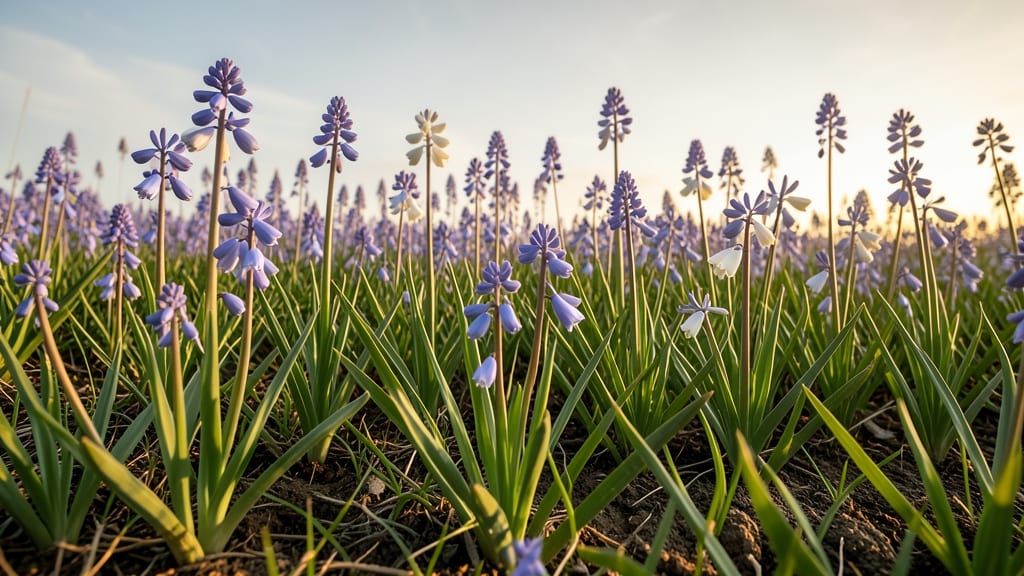
Fall-planted flower bulbs are the secret to vibrant spring gardens, but not all bulbs thrive with your region's chill hours. These 10 cold-hardy varieties deliver reliable blooms while adapting to diverse climates—from mild winters to harsh frosts—with minimal care.
Daffodil Bulbs for Early Season Sunshine
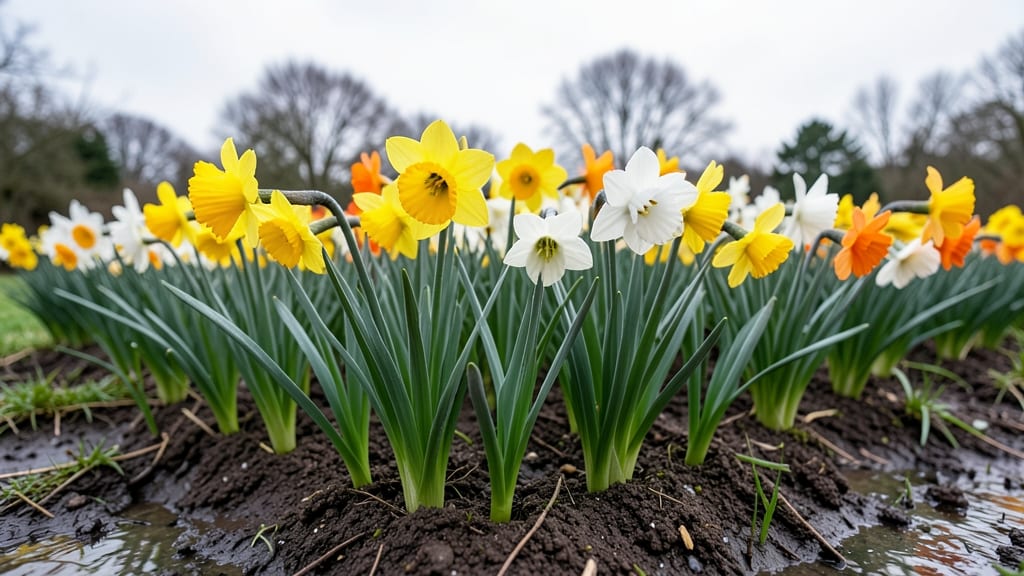
Looking for a spring bloomer that thrives on neglect? Daffodils are the ultimate low-maintenance star—brightening gardens with cheerful yellows, whites, and oranges while tolerating conditions that would flop other bulbs.
These hardy perennials handle wet soil (unlike many spring bulbs), resist deer and squirrels, and bloom reliably even in partial shade. Plant bulbs 6 inches deep in fall, and they’ll reward you with early spring color for years. Their toxic foliage also deters pests naturally.
Perfect for beginner gardeners, shaded borders, or problem areas, daffodils turn even the dullest spots into sunshine. 🌻
Tulip Bulbs with Perfect Chill Requirements
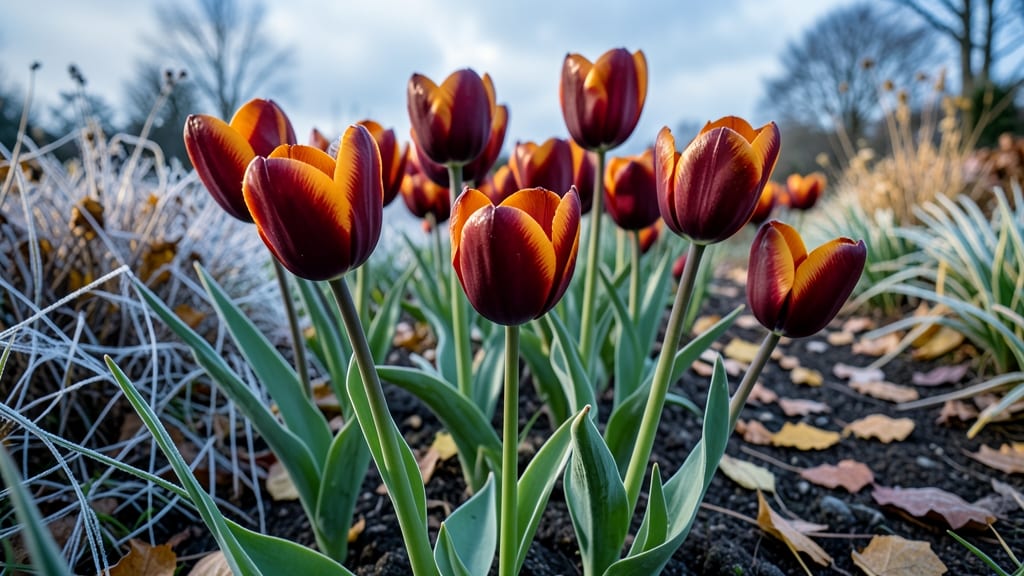
If you're dreaming of bold, showstopping blooms next spring, classic tulips are the answer—but only if they get their required 12-16 weeks of cold. This chilling period is non-negotiable for reliable blooming, and Darwin hybrid tulips are your best bet for sturdy stems and long-lasting cut flowers.
Darwin hybrids stand out with their taller, stronger stems and vibrant colors that hold up beautifully in vases. Plant bulbs 6 inches deep in well-draining soil and space them 4-6 inches apart for optimal airflow. These tulips thrive in full sun and reward you with longer vase life than other varieties, making them perfect for gardeners who love fresh-cut arrangements.
Perfect for gardeners in zones 3-8, Darwin tulips are ideal if you want dramatic spring color with minimal fuss. Their reliability makes them a must-have for both beginner and experienced gardeners alike. 🌻
Allium Bulbs for Dramatic Purple Spikes
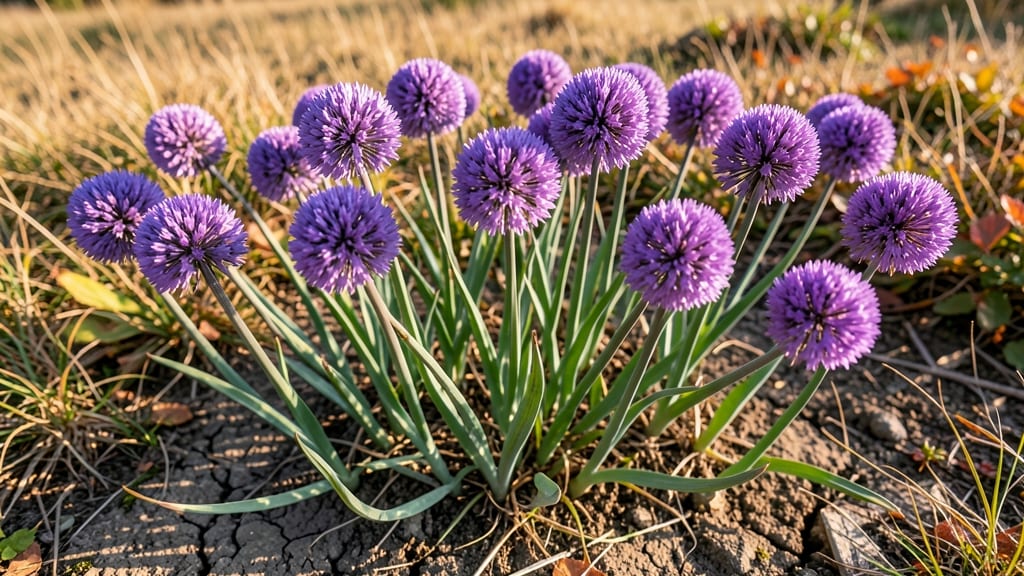
If you crave dramatic color without the fuss of high-maintenance plants, allium bulbs deliver globe-shaped blooms that look like edible purple orbs. These drought-tolerant stars thrive in poor soil, need minimal water once established, and attract pollinators like bees and butterflies—making them a pollinator magnet.
Plant allium bulbs 6–8 inches deep in fall (October–November in most zones) for spring blooms that last 3–4 weeks. Varieties like Orbicularis (spherical blooms) or Purple Sensation (tall spikes) add architectural interest to modern gardens. Their deer-resistant foliage means fewer losses to wildlife.
Perfect for urban gardeners, low-water landscapes, or pollinator-friendly beds, alliums bring effortless drama with zero special care. Their long-lasting blooms and year-round foliage make them a standout for minimalist yet striking gardens. 🌻
Crocus Bulbs for Winter Interest
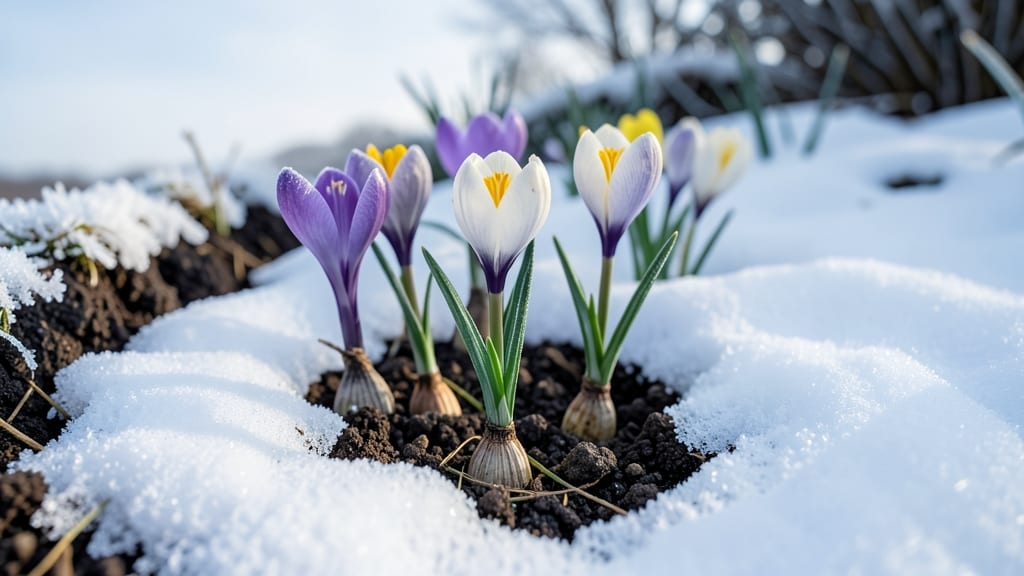
When winter's icy grip still holds the garden, crocus bulbs defy the cold by pushing through snow with delicate blooms. These hardy perennials are nature's early harbingers, offering vibrant color when few other plants dare to emerge.
Plant crocus bulbs 3-4 inches deep in well-draining soil from fall through early winter, and watch them naturalize over time. Their early nectar provides crucial sustenance for bees emerging from hibernation, making them a pollinator hero. The rocky or sloped areas they thrive in are perfect for challenging spaces where other plants struggle.
Perfect for gardeners seeking winter interest, crocus bulbs require almost no maintenance once established. Their cheerful blooms transform barren landscapes into lively spring previews. 🌱
Hyacinth Bulbs with Fragrant Clusters
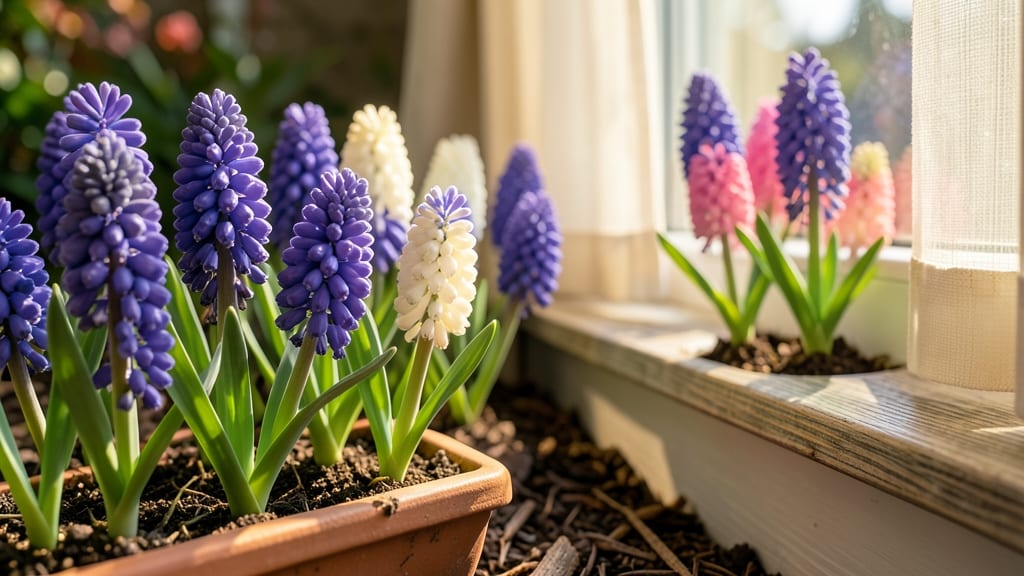
Transform your garden—or even a sunny windowsill—into a fragrant paradise with hyacinth bulbs. These powerhouses pack an intoxicating scent into their dense, vertical clusters, making them the star of perfumed gardens. Unlike many bulbs, they thrive equally well in containers or borders, giving you flexibility whether you have a sprawling yard or a tiny balcony.
Plant them in well-draining soil with consistent moisture—they hate drying out—about 6 inches deep and 6 inches apart. Choose varieties like 'Lavinia' for deep purple blooms or 'Anna Marie' for soft pink clusters. Their 12-16 week chill requirement ensures reliable spring blooms, and each stalk produces 10-30 fragrant flowers that last for weeks. The vertical impact creates stunning focal points in borders or containers.
Perfect for gardeners who love sensory experiences, hyacinths bring a luxurious fragrance that attracts bees and delights humans alike. Urban gardeners and small-space enthusiasts will especially appreciate their container-friendly nature. 🌷
Fritillary Bulbs for Whimsical Checkerboard Patterns
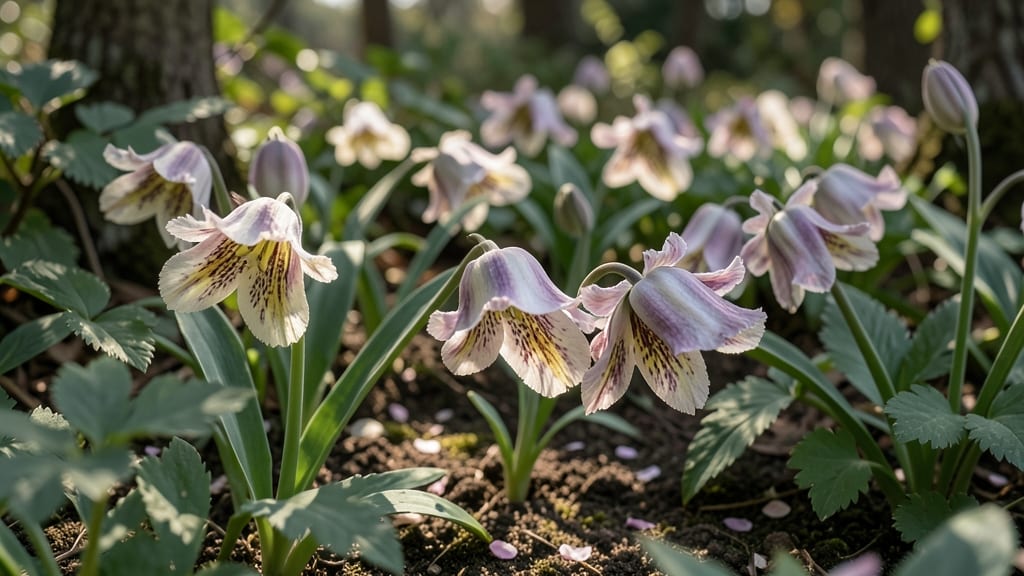
Looking to add a touch of magic to your garden? Fritillary bulbs create enchanting checkerboard patterns with their marbled, bell-shaped blooms—perfect for cottage-style plantings that feel like a storybook scene.
These woodland-loving bulbs thrive in well-drained soil and partial shade, making them ideal for under trees or along garden edges. Their delicate, nodding flowers appear in late spring, often in striking combinations of purple, white, and yellow. Plant them in clusters for maximum visual impact, as they naturalize beautifully over time.
Gardeners who love whimsical designs and low-maintenance perennials will adore fritillaries—they’re a unique way to bring fairy-tale charm to your outdoor space. ✨
Snowdrop Bulbs for Early Winter Bloom
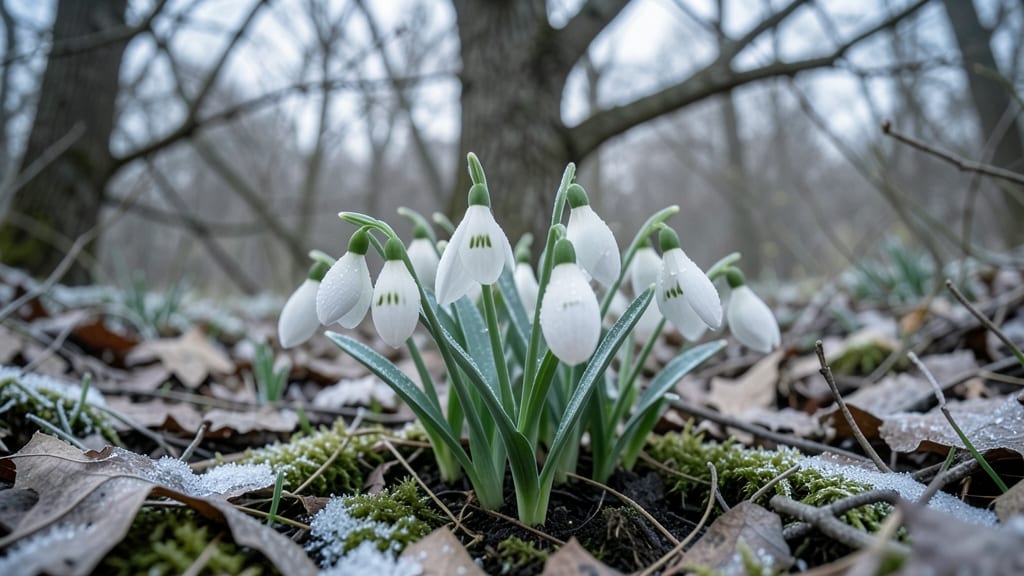
When winter feels endless and most gardens lie dormant, snowdrop bulbs defy the cold with their delicate white blooms—often appearing before snow melts. These hardiest of bulbs thrive in shaded woodland gardens where few other plants survive, offering early color when the world still looks gray.
Plant them in fall for late winter blooms (January–March), and watch them spread aggressively over time, creating naturalized drifts. They tolerate deep shade and even heavy clay soil, making them ideal for under trees or along north-facing walls. Their evergreen foliage also adds texture to winter landscapes.
Perfect for gardeners who love low-maintenance perennials with year-round interest, snowdrops reward patience with cheerful blooms that feel like nature’s first smile. 🌱
Muscari Bulbs for Grape-Like Blue Clusters
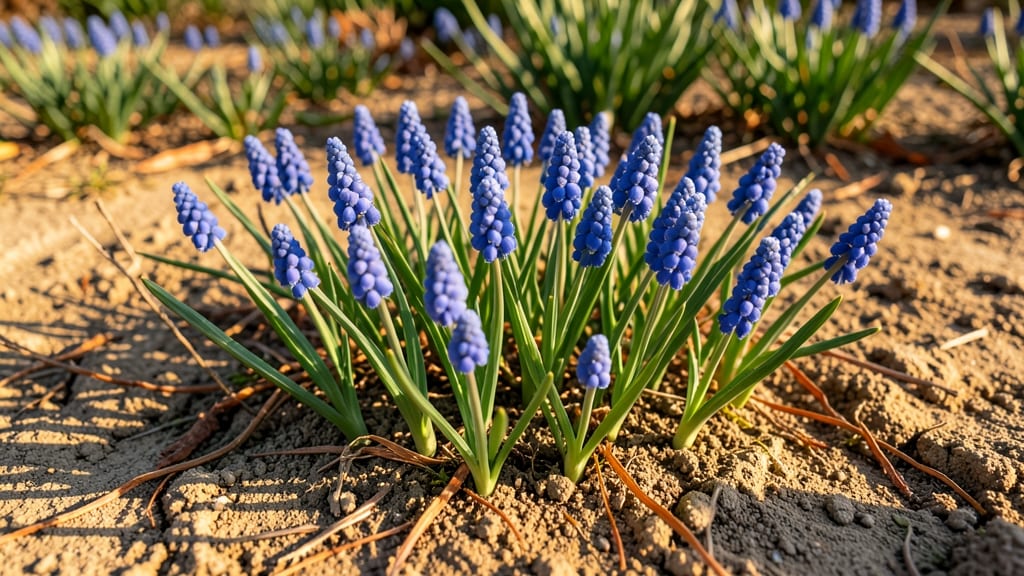
Looking for a low-maintenance bulb that thrives in dry conditions while adding a pop of color to your spring garden? Muscari (or grape hyacinths) are the answer—these hardy bulbs naturalize effortlessly and produce striking blue-green clusters that resemble bunches of grapes.
Plant them in full sun to partial shade and enjoy their drought resistance once established. They pair beautifully with yellow daffodils, creating a vibrant contrast, and their nectar-rich blooms attract early-season pollinators like bees. For best results, plant bulbs 6 inches deep and 4 inches apart in well-drained soil.
Perfect for pollinator gardens, cottage-style plantings, or even rocky slopes, muscari bulbs offer year-round value with minimal effort. 🌱
Anemone Bulbs for Late-Season Elegance
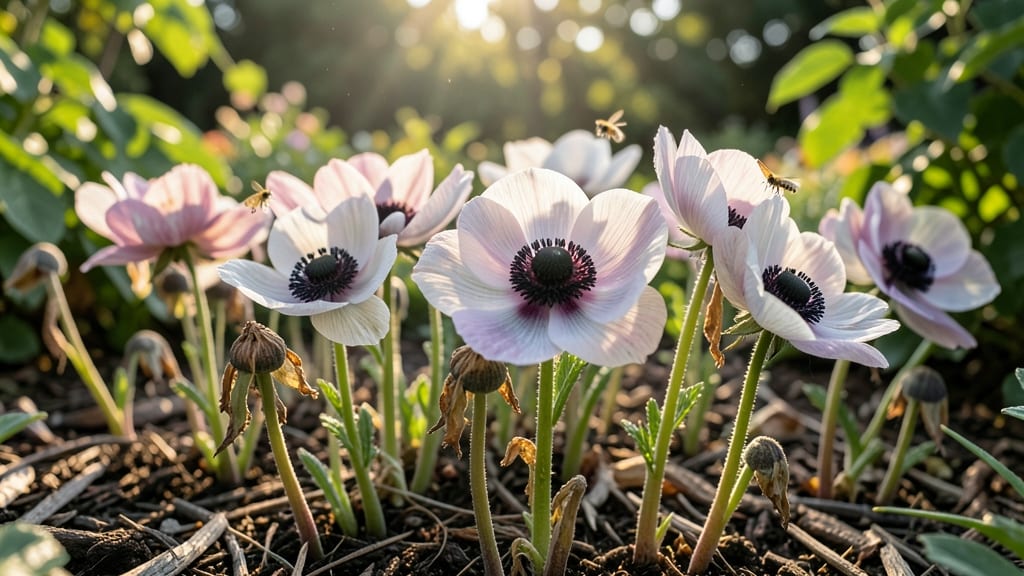
When summer blooms start fading but you refuse to let your garden go dormant, anemone bulbs step in as the unsung heroes of late-season color. These delicate yet hardy flowers burst into bloom from August through October, offering a dramatic contrast with their dark centers surrounded by soft white or blush pink petals.
Plant anemone bulbs in partial shade (they tolerate morning sun but avoid hot afternoon rays) and enrich the soil with compost for best results. Their deep roots make them drought-tolerant once established, and they pair beautifully with hostas or ferns. For maximum impact, plant them in clusters of 5-7 bulbs—this creates a lush, natural look that thrives in woodland gardens or shaded borders.
Perfect for gardeners who want to extend their season without extra effort, anemones also attract pollinators like bees and butterflies during their late bloom time. 🌷
Camassia Bulbs for Prairie-Style Dramas

If you're craving a wild, naturalistic look that feels like stepping into a sunlit prairie, camassia bulbs are your secret weapon. These towering beauties—often called wild hyacinths—reach heights of 3-5 feet, creating dramatic vertical accents that mimic the grandeur of native meadows.
Unlike finicky bulbs, camassia thrives in wet or poorly drained soils, making it perfect for rain gardens or areas where other plants struggle. Plant them in full sun for maximum impact, and enjoy their blue-purple spikes that bloom in late spring to early summer. They pair beautifully with grasses and other prairie perennials for a low-maintenance, high-impact display.
Perfect for gardeners who love bold textures and want to attract pollinators, camassia bulbs are also deer-resistant—a rare bonus for rural or suburban plots. Their striking height and color make them a standout in any meadow-inspired design. 🌻