
Plants
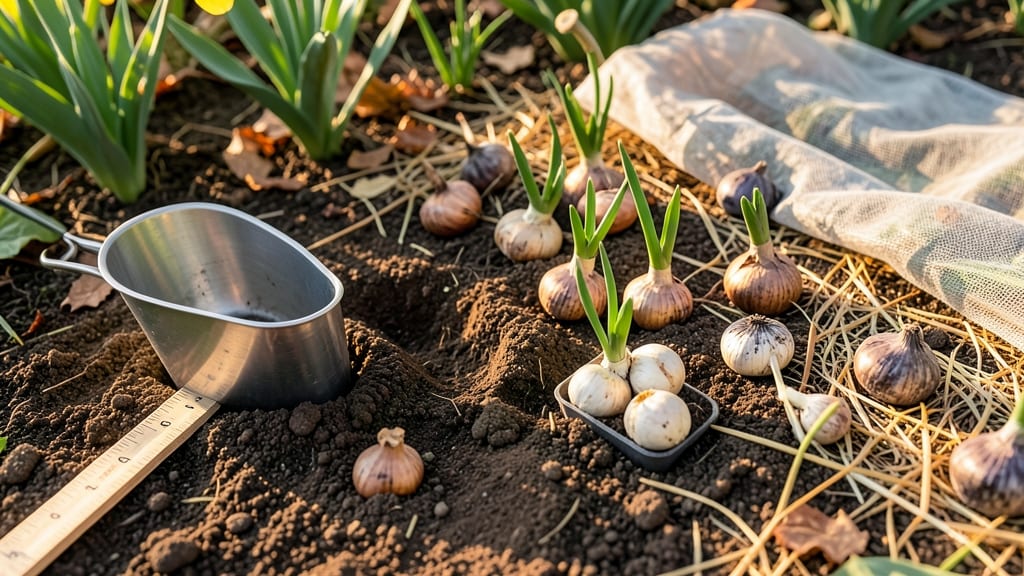
Planting spring flowering bulbs 🌷 in Colorado depends on chill-hours and frost dates—fall is the sweet spot for tulips and daffodils, while spring offers a second chance for late bloomers.
Colorado’s chilly winters and varied elevations make timing your bulb planting critical—get it wrong, and you’ll miss spring blooms entirely. But with the right chill-hour knowledge and zone-specific guidance, you can transform your garden into a vibrant showcase of daffodils, tulips, and alliums year after year.
In USDA zones 4-7, most gardeners plant in September-October for fall-blooming varieties, while spring-planted bulbs like crocuses go in March-April. The Front Range’s high desert climate demands extra care, especially in Zone 4, where early frosts can catch bulbs off guard.
Below, I break down the exact planting windows by zone, the best bulbs for Colorado’s climate, and how to avoid common mistakes—like planting too late in Zone 4 or ignoring soil moisture in arid regions.
Colorado planting zones & chill-hours: the exact timeline for spring vs fall bulbs
Colorado’s USDA zones 4-7 create unique challenges for bulb planting, where chill-hours and elevation determine success. Unlike coastal regions, our high-altitude gardens (Denver: 5,280 ft, Boulder: 5,430 ft) experience earlier frosts and longer winters, requiring precise timing.
Spring-blooming bulbs like tulips and daffodils need 6-8 weeks in the ground before winter, while fall-blooming varieties like crocuses thrive when planted in late summer.
The Western Slope (e.g., Grand Junction, Zone 6-7) enjoys warmer microclimates with later frost dates, while the Front Range (Denver/Boulder, Zone 4-5) faces colder, shorter growing seasons. Understanding these differences ensures your bulbs bloom reliably year after year, even with Colorado’s unpredictable freeze-thaw cycles.
Let’s break down the exact planting windows by zone and region.
| Zone & Region | Spring-Blooming Bulbs (Fall Planting) | Fall-Blooming Bulbs (Late Summer Planting) | Key Notes |
|---|---|---|---|
| Zone 4 (Fort Collins, Steamboat) | September 15–October 15 | August 1–September 1 | Plant 6-8 weeks before first frost (avg. Oct 15). Use 3x mulch depth for insulation. |
| Zone 5 (Denver, Boulder) | September 1–October 1 | July 20–August 15 | Adjust for microclimates: Urban areas (warmer) can plant 1-2 weeks later. |
| Zone 6 (Colorado Springs, Western Slope) | September 15–November 1 | August 1–September 10 | Later frost dates allow extended windows. Drought-tolerant bulbs (alliums) thrive here. |
| Zone 7 (Grand Junction, Pueblo) | October 1–November 15 | August 15–September 30 | Mild winters permit spring planting (March–April) for late bloomers. |
In Zone 4 (e.g., Fort Collins, Steamboat), the shorter growing season demands early action. Aim to plant spring-blooming bulbs by mid-September to ensure roots establish before ground freezes (typically mid-October). For fall-blooming bulbs, August is your last chance—delaying risks bolting or poor root development.
Denver and Boulder (Zone 5) offer a 2-week buffer compared to Zone 4. Urban heat islands can extend planting by 1-2 weeks, but monitor soil temperatures—bulbs need 60°F soil to root. Use a soil thermometer to avoid planting too early when soils are still warm.
The Western Slope’s warmer microclimates (Zones 6-7) shift timelines dramatically. In Grand Junction (Zone 7), you can plant spring bulbs until November and fall bulbs through September.
However, dry soils here require deep watering (1-2 inches per week) to prevent dormancy stress. Alliums and crocuses are excellent choices for their drought tolerance.
Elevation plays a critical role in timing. Gardens at 6,000+ feet (e.g., Summit County) may need to plant 2-3 weeks earlier than Denver. Conversely, lower elevations (4,000–5,000 ft) like Pueblo can follow Zone 6-7 guidelines.
Always check your local frost dates—the Colorado State University Extension provides hyperlocal data for precise planning.
Chill-hours—those critical 32–45°F nights bulbs need—vary by species. Tulips typically require 12–16 weeks of chill, while daffodils need 8–12 weeks. In Zone 5**, this translates to planting by October 1 for tulips and November 1 for daffodils.
Use chill-hour maps (e.g., from Ball Horticultural) to match bulbs to your zone.
For container gardening in urban
Top 5 fall-planted bulbs for Colorado gardens & their ideal planting months
Colorado’s fall-planted bulbs thrive when planted at the right time, ensuring vibrant spring blooms despite our unpredictable freeze-thaw cycles. The key is planting 6-8 weeks before the ground freezes, which varies by USDA zone—typically between September and early November.
These cold-hardy varieties not only survive Colorado’s winters but also reward you with early-season color when most gardens are still dormant.
For Zone 4 (high elevations like Steamboat Springs), aim for late August to mid-October, while Zone 7 (Denver metro area) gardeners have until mid-November.
Soil prep is equally critical—amend with compost and sand if your clay-heavy soil drains poorly, and always plant bulbs 3x deeper than their height to protect them from gnawing critters and harsh temperatures.
- 1. Daffodils (Narcissus) – Plant September-October; Zone 3-8. Deer-resistant and thrive in full sun to partial shade. Ideal for: Mass plantings, borders.
- 2. Tulips (Tulipa) – Plant October-November; Zone 3-8. Choose Darwin Hybrid varieties for longer vase life. Tip: Add bone meal at planting for extra strength.
- 3. Crocuses (Crocus) – Plant August-September; Zone 3-8. Early bloomers (as early as February) and deer-proof. Perfect for woodland gardens.
- 4. Alliums (Ornamental Onions) – Plant September-October; Zone 4-9. Drought-tolerant and pollinator magnets. Bonus: Stunning spherical blooms in May-June.
- 5. Hyacinths (Hyacinthus) – Plant September-October; Zone 4-8. Fragrant blooms in April-May. Warning: Squirrels love them—plant in wire cages if needed.
After planting, mulch heavily with straw or leaves (3-4 inches) to insulate bulbs from freeze-thaw cycles, which can heave them out of the ground. In Zone 4, consider adding a thick layer of evergreen boughs for extra protection during extreme cold snaps.
Remember, well-established bulbs (3+ years) handle Colorado’s climate better—so don’t rush to dig them up after flowering!
For urban gardeners in Denver or Boulder, container planting works well—just use well-draining potting mix and plant bulbs in clusters of 5-7 for dramatic effect. Place containers in protected spots (e.g., against a south-facing wall) to extend the growing season.
And if you’re in dry climates like the Western Slope, water deeply once a month during winter to prevent desiccation.
One common mistake is waiting until November to plant, which leaves bulbs vulnerable to early freezes. Instead, mark your calendar for mid-September—this gives roots time to establish before winter sets in.
For reliable blooms, rotate varieties yearly (e.g., plant tulips one year, daffodils the next) to prevent disease buildup in the soil.
With these cold-hardy bulbs and precise timing, your Colorado garden will burst into color by late April or May, turning even the driest winter days into a vibrant spring spectacle. 🌷