
Flowers
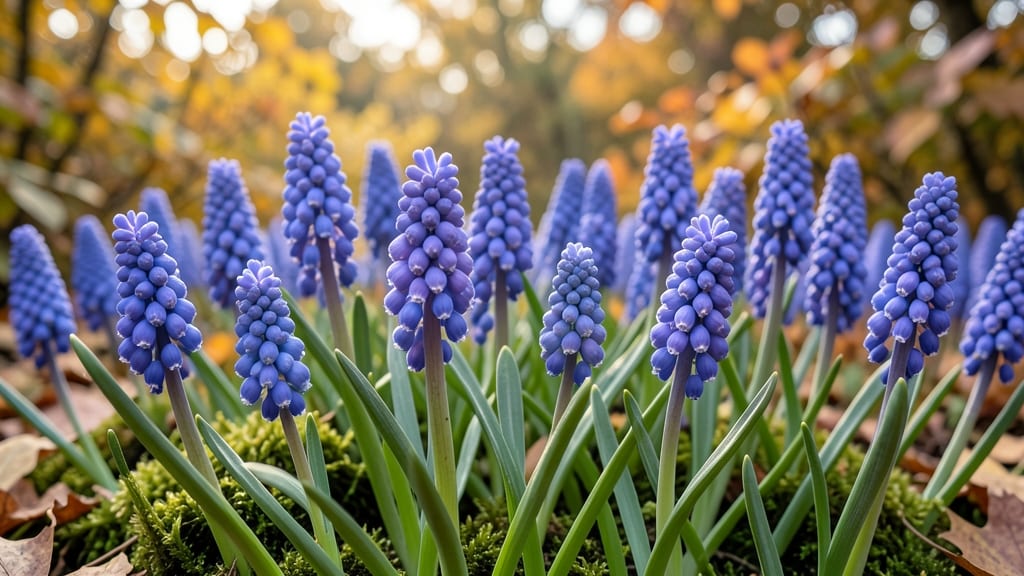
Fall gardens don’t have to be dull—these 10 flower bulbs defy the season’s chill with vibrant blooms that thrive when temperatures drop. Perfect for adding late-season color, these hardy plants offer easy cultivation and stunning visual impact.
Tulipa tarda (Late-Blooming Tulip)
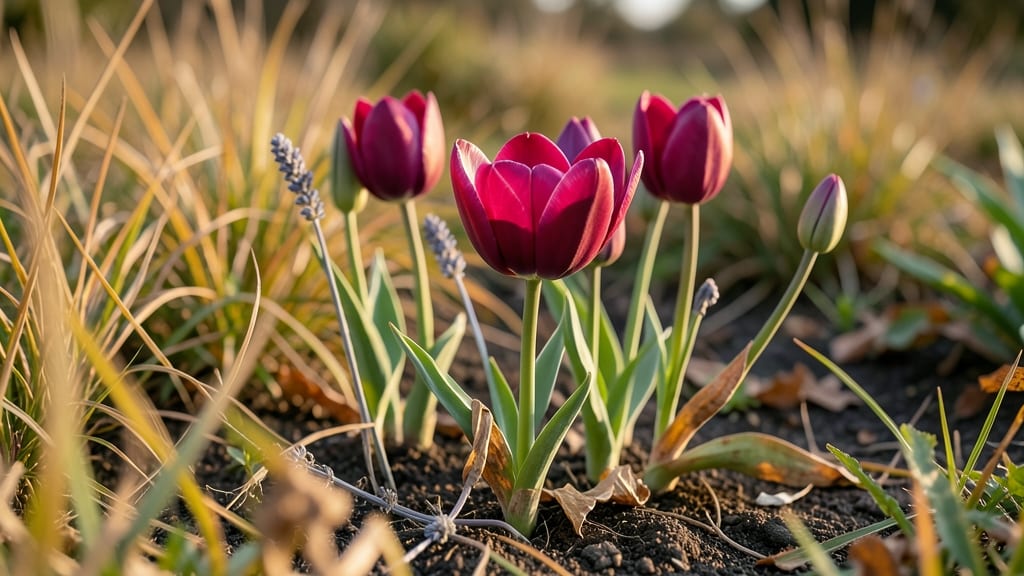
When your summer blooms start to fade and most gardens look spent, Tulipa tarda bursts onto the scene with vibrant fall color. Unlike traditional tulips that bloom in spring, these are specially bred to emerge after summer dormancy, giving your garden a second burst of life when others are winding down.
Plant them in well-draining soil with full sun to partial shade, and they’ll reward you with bold blooms in shades of pink, purple, and red from September through November. Their sturdy stems make them perfect for cut flower arrangements, lasting up to a week in a vase. Cottage gardeners love them for their romantic, slightly wild appearance, while urban gardeners can grow them in containers with ease.
These tulips are ideal for gardeners who want low-maintenance, high-impact fall color without the fuss of annuals. Perfect for beginners or experienced growers looking to extend their season! 🌻
Colchicum autumnale (Meadow Saffron)
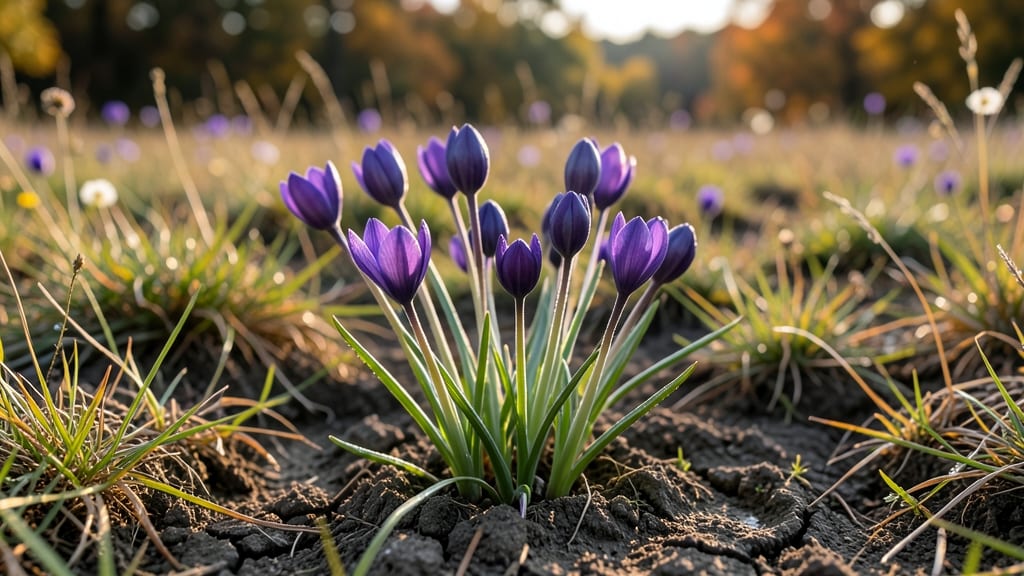
If you’ve ever dreamed of a garden that magically blooms in late summer when most plants have already called it a season, Colchicum autumnale—also called Meadow Saffron—is your secret weapon. This bulb produces striking purple flowers that rise from the ground before its leaves appear, creating a surreal, almost otherworldly display in meadows or woodland edges.
Plant the bulbs in late summer to early fall in well-drained soil with partial to full shade, mimicking their natural woodland habitat. They thrive in USDA zones 3-8 and require minimal care once established—just avoid overwatering once the foliage fades in late spring. The flowers last 2-3 weeks, offering a burst of color when other bulbs are dormant.
Perfect for gardeners who love low-maintenance perennials with a wild, natural look, Meadow Saffron is also deer-resistant and non-toxic to pets. It’s the ideal choice for those who want to extend their garden’s season without the fuss. ✨
Crocus vernus (Spring Crocus for Fall Planting)
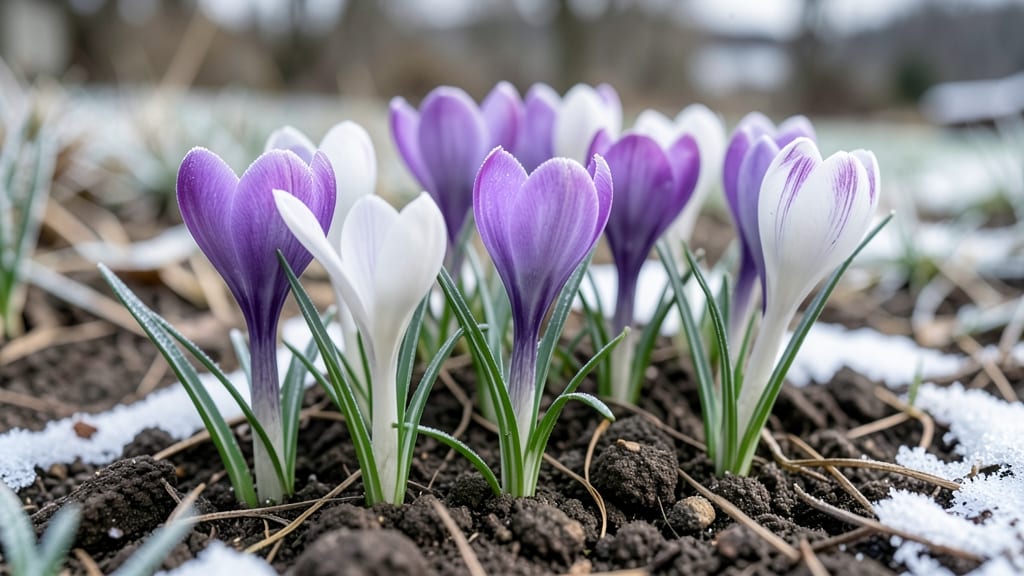
Skip the spring rush—Crocus vernus rewards patient gardeners with late-winter blooms when most gardens are still dormant. These cheerful crocuses burst through snow or bare soil with bright purple and white flowers, offering a splash of color that feels like a surprise gift from nature.
Plant them in early fall (September-October) for a spring show, but their real magic happens in cold climates (USDA Zones 3-8) where they naturalize effortlessly. They thrive in full sun to partial shade and need minimal care—just well-draining soil and occasional watering during dormancy. Perfect for rock gardens, woodland edges, or even urban containers with winter interest.
Ideal for gardeners who want low-maintenance beauty without sacrificing impact. Their early blooms also signal pollinators that spring is coming! 🌱
Sternbergia lutea (Autumn Crocus)
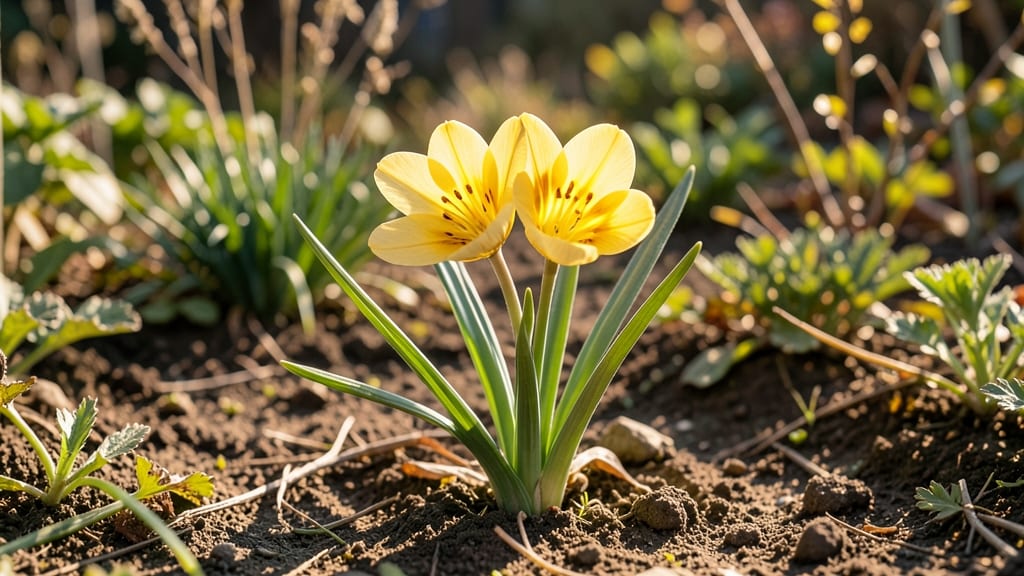
When your garden seems to fade as summer ends, Sternbergia lutea arrives like a golden surprise. This autumn crocus blooms earlier than most fall bulbs, lighting up sunny spots with its cheerful yellow flowers when other plants are winding down.
Plant these bulbs in well-draining soil with full sun exposure—they thrive in rock gardens, borders, or containers—and enjoy their drought tolerance and deer resistance. The blooms appear in late September to October, lasting for weeks. Their narrow, grass-like foliage adds texture even after flowering.
Perfect for gardeners who want low-maintenance color without the fuss, Sternbergia lutea is especially rewarding for urban gardeners with limited space or those in drier climates. 🌻
Nerine bowdenii (Guernsey Lily)
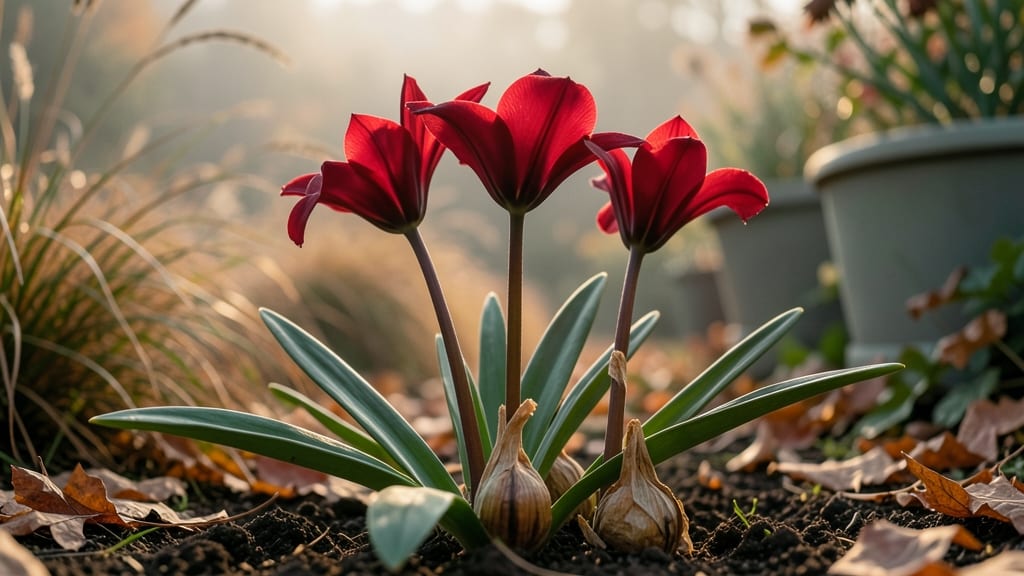
Looking for a fall-blooming bulb that turns heads with bold color? Nerine bowdenii, or Guernsey Lily, delivers fiery red trumpet-shaped blooms when most gardens fade. This South African stunner thrives in containers or borders, making it ideal for urban gardens or mixed borders.
Plant the bulbs in well-draining soil with full sun to partial shade, and they’ll reward you with dramatic fall color. Unlike many bulbs, Nerine stores energy underground over summer, then bursts into bloom when temperatures drop—perfect for late-season arrangements. Its drought tolerance and deer resistance make it a low-maintenance star.
Gardeners who love high-impact, easy-care plants will adore this bulb’s striking foliage and long vase life. It’s the secret weapon for adding drama to fall weddings, dinner tables, or simply your garden beds. 🌟
Lycoris radiata (Magic Lily)
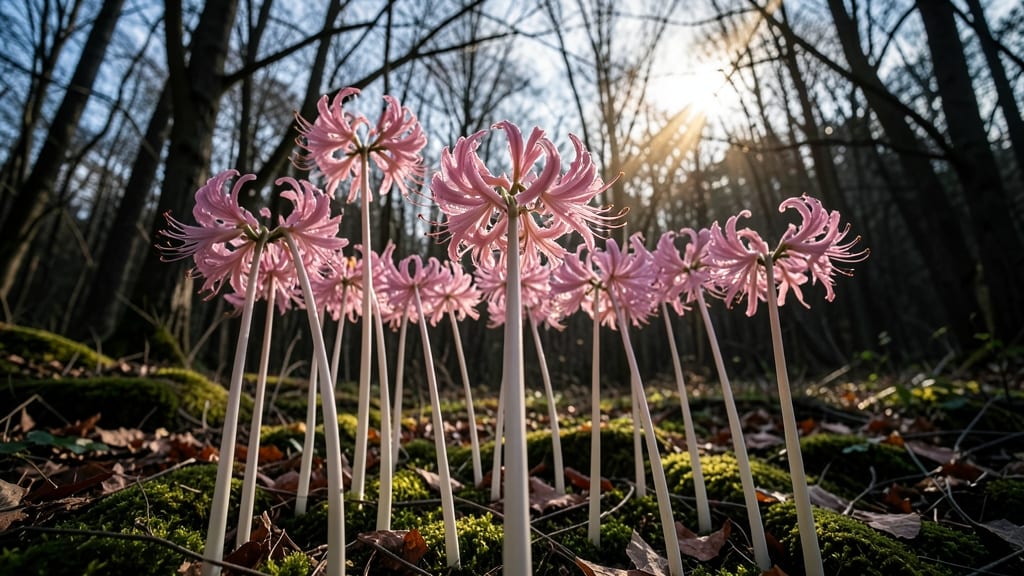
Imagine a bulb that blooms in fall without any leaves—just star-shaped pink flowers emerging from bare stems like magic. Lycoris radiata, or Magic Lily, does exactly that, creating a whimsical display in woodland gardens or under trees where sunlight filters through.
This low-maintenance bulb thrives in partial shade and well-draining soil, making it perfect for areas where other plants struggle. Plant the bulbs in early fall (September-October) at a depth of 3-4 inches, and enjoy blooms in late September to November. Unlike many bulbs, it doesn’t need summer watering—just let the soil dry out between rains.
Ideal for beginners or busy gardeners, Magic Lily naturalizes effortlessly and multiplies over time. Its ethereal blooms add a touch of enchantment to fall landscapes with almost no effort. ✨
Allium ursinum (Ramsons)
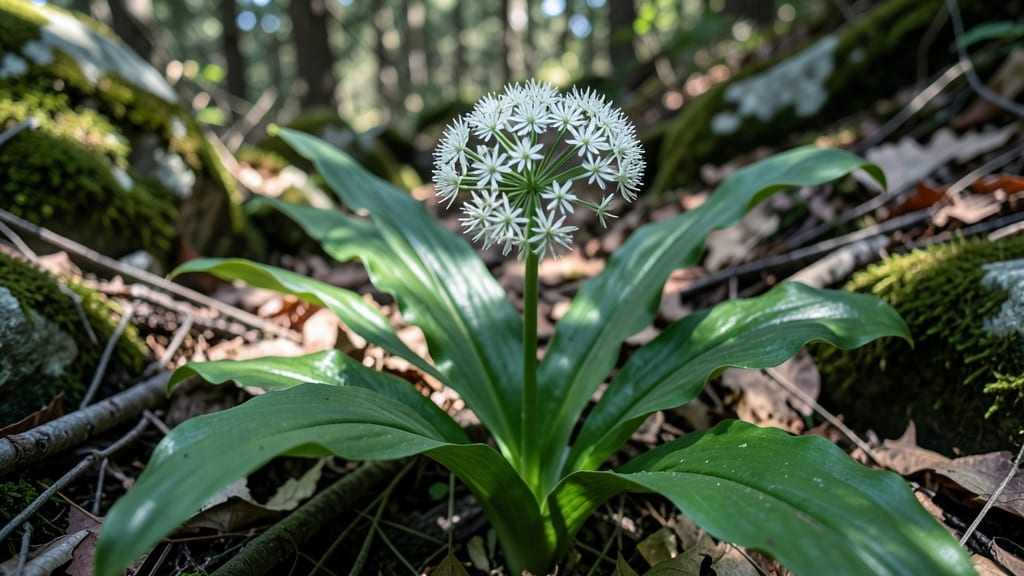
Looking for a dual-purpose plant that adds beauty and flavor to your garden? Allium ursinum (Ramsons) delivers with its delicate white star-shaped flowers and edible, garlic-scented leaves that emerge in early spring.
This hardy European bulb thrives in shaded woodland gardens and blooms from late summer through fall, offering late-season interest. The leaves can be harvested in spring for salads or cooking, while the flowers attract pollinators. Plant bulbs in moist, well-draining soil and let them naturalize for a low-maintenance, self-sustaining display.
Perfect for gardeners who love edible landscapes, Ramsons are ideal for shady borders, understory plantings, or container gardens. Just avoid overwatering once established—this resilient bulb prefers consistent moisture but hates soggy soil. 🌿
Eremurus (Fox Tail Lily)
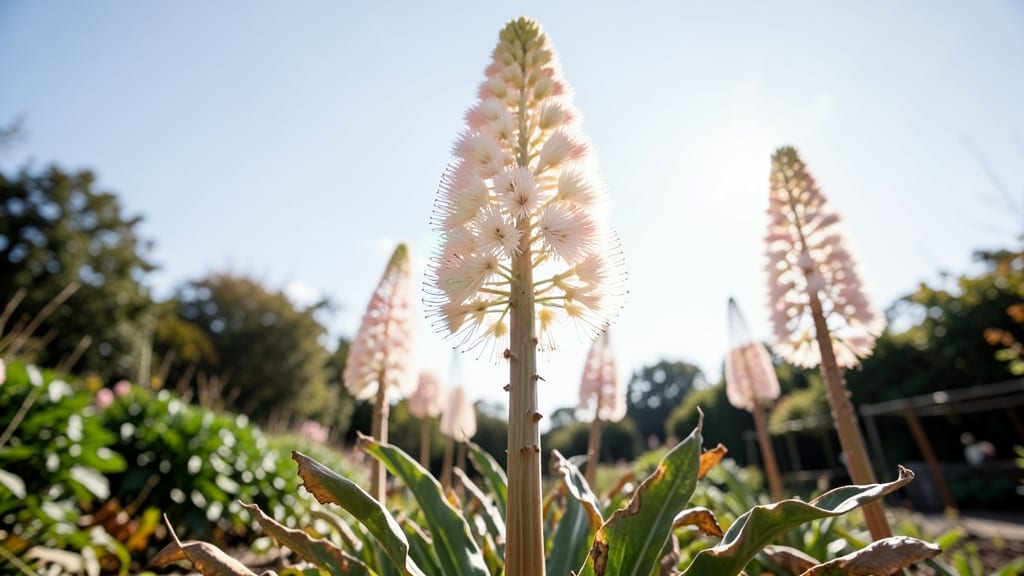
Looking for a dramatic vertical statement in your late-season garden? The Eremurus, or Fox Tail Lily, delivers towering spikes of fluffy blooms that reach 4-6 feet tall, creating instant focal points in borders. Unlike many fall bloomers, this drought-resistant beauty thrives in hot, sunny locations where other plants might struggle.
Plant the bulbs in well-draining soil in early spring, spacing them 12-18 inches apart. They prefer full sun and minimal fuss—just water occasionally once established. The blooms emerge in late summer to fall, adding textural contrast to your garden when most plants are winding down. Deadhead spent flowers to encourage next year’s growth.
Perfect for xeriscaping or dry garden beds, Eremurus brings architectural elegance with almost no maintenance. Gardeners in USDA zones 4-9 will love its hardiness and striking presence. 🌻
Cyclamen hederifolium (Woodland Cyclamen)
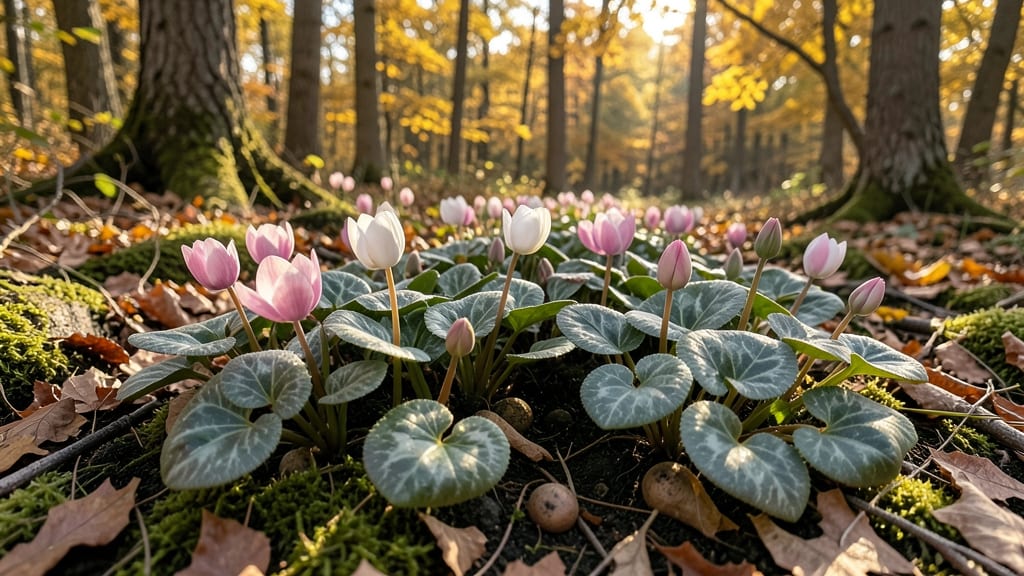
If your garden feels quiet as the leaves turn gold, Cyclamen hederifolium is the woodland whisperer you’ve been waiting for. Its delicate pink or white blooms appear in late summer to fall, creating a carpet of color under trees where other plants struggle.
This shade-loving bulb thrives in dappled light and moist, well-draining soil, making it perfect for naturalizing under oaks or maples. Plant the tuberous roots in early fall, just below the soil surface, and watch them spread over time. The heart-shaped leaves add year-round interest, even when flowers fade.
Ideal for woodland gardeners or those with shady spots, this cyclamen brings early color without demanding full sun. Its low-maintenance nature makes it a favorite for wildflower meadows or forest-edge plantings. 🌿
Muscari armeniacum (Grape Hyacinth)

When your garden seems to fade as summer ends, Muscari armeniacum (Grape Hyacinth) steps in with its dense, grape-like clusters of blue-purple blooms. Unlike spring-blooming hyacinths, this variety thrives in late summer to fall, offering a burst of color when most plants are winding down.
These compact bulbs (just 6-12 inches tall) are perfect for borders, containers, or even naturalizing in lawns—simply scatter them and forget. They tolerate poor soil and full sun, making them ideal for urban gardens or neglected patches. Plant bulbs in fall for blooms the following year, and enjoy their honey-scented flowers that attract pollinators.
Gardeners with limited space or rocky soil will love how low-maintenance these bulbs are. They multiply over time, creating lush carpets of color with minimal effort. 🌿