
Planting
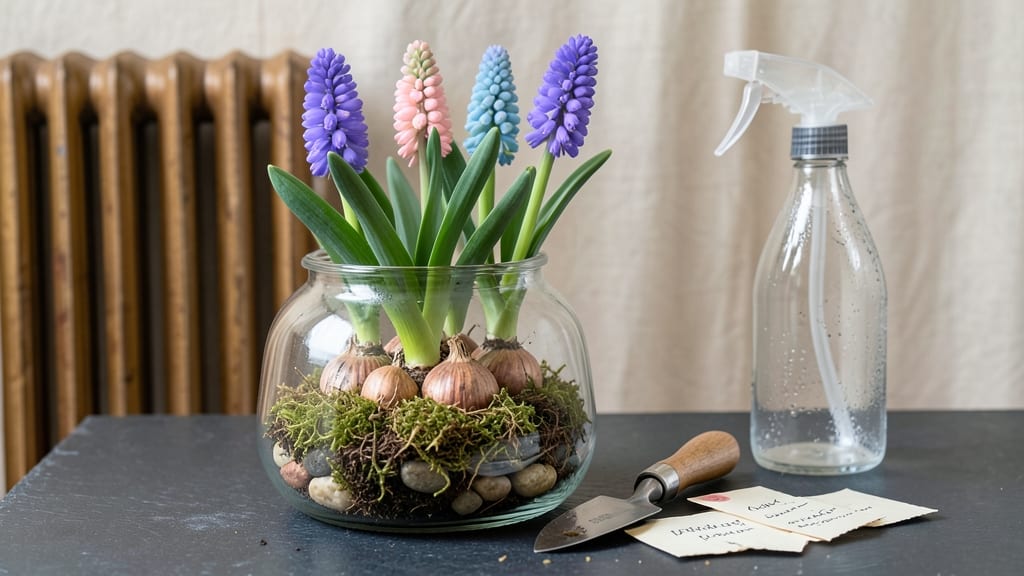
Forcing hyacinth bulbs transforms your winter kitchen into a fragrant spring preview. 🌱 I’ve turned late-November bulbs into February blooms that smell like a Dutch garden—no greenhouse required. The secret lies in mimicking nature’s chilling cycle, which tricks bulbs into thinking spring has arrived when it’s still snowing outside.
Start with pre-chilled bulbs from the store (they’ve already done half the work) or chill your own in the fridge for 10-12 weeks before planting. Use a shallow container with pebbles for drainage—hyacinths hate soggy roots—and plant them close together for that classic clustered look.
Within 6-8 weeks, you’ll see shoots pushing through the soil, and those sweet, intoxicating blooms will follow.
Timing is everything: begin forcing in late November for Valentine’s Day blooms or early January for Easter displays. The key to vibrant flowers? Bright light (a sunny window or grow light) and consistent moisture—never let the soil dry out completely.
If mold appears, that’s usually from overwatering; just remove the affected bulb and adjust your watering.
This trick works year after year, and once you’ve done it once, you’ll never buy cut hyacinths again. The fragrance alone makes it worth the effort—imagine waking up to that scent in the dead of winter. Ready to try it?
📚 In This Guide
- What you need
- Instructions
- Tips and common mistakes
- Wrapping up and next steps
What you need
- ● Hyacinth bulbs: 3–5 medium to large bulbs (6–8 cm in diameter) for best results. Look for firm, dry bulbs with no soft spots.
- ● Forcing pots: 1–2 shallow containers (6–8 inches deep) with drainage holes. Terra cotta or ceramic works best.
- ● Potting mix: Well-draining, sterile soil mix (e.g., cactus/succulent mix or perlite + peat moss blend). Avoid garden soil—it’s too dense!
- ● Gravel or pebbles: Small stones (½ inch) for drainage at the pot’s bottom (about 1–2 inches).
- ● Gloves: Heavy-duty garden gloves to protect hands from sharp bulb edges.
- ● Watering can or spray bottle: For gentle hydration (avoid soaking the bulbs!).
- ○ Fertilizer (optional): Balanced, water-soluble fertilizer (5-10-5 ratio) for post-chilling growth.
- ● Cooling method: Fridge: A cardboard box or mesh bag to store bulbs (no soil) for 10–12 weeks at 35–45°F.
- ● Cold frame/greenhouse: If outdoors, use a protected, shaded area.
- ○ Bright light source (optional): Grow lights or a sunny windowsill (south-facing) for post-chilling growth.
Step-by-step instructions for forcing hyacinth bulbs indoors
Here's how to coax vibrant hyacinth blooms indoors using a simple cold treatment and warmth trick.
🌱 Step 1: Select and Prepare the Bulbs
Choose firm, plump hyacinth bulbs with a diameter of at least 3 inches—larger bulbs yield more abundant blooms. Remove any dried outer skins and inspect for soft spots or mold, which can spread during forcing. I like to soak the bulbs in lukewarm water for 2-3 hours before planting to hydrate them thoroughly.
This pre-soaking step ensures the bulbs start their growth cycle immediately, cutting down the time needed for root development. If you're using pre-chilled bulbs from a garden center, skip this step—just plant them right away. The goal is to mimic the natural winter chilling period they'd experience outdoors.
❄️ Step 2: Cold Treatment for 8-12 Weeks
Place the bulbs in a well-draining container filled with sphagnum moss or perlite—never use regular potting soil, as it retains too much moisture. Arrange them base-down with the pointed ends facing upward, spacing them 1 inch apart to allow airflow. Cover the container loosely with plastic wrap and store it in a cool, dark place where temperatures stay between 35-45°F.
This chilling period is critical—without it, the bulbs won't bloom. Check the moss weekly and mist lightly if it feels dry to the touch. After 8-12 weeks, you'll see the first signs of root growth through the drainage holes. This is your cue that the bulbs have completed their dormancy phase and are ready for the next step.
☀️ Step 3: Transition to Warmth and Light
Move the container to a bright, warm location with temperatures between 60-68°F. Place it under grow lights or near a south-facing window where it receives at least 6 hours of indirect light daily. You'll notice the first green shoots emerge within 1-2 weeks—this is when the magic happens.
Keep the moss consistently moist but never soggy. Overwatering at this stage can cause the bulbs to rot before they bloom. If the leaves start to yellow or wilt, reduce watering slightly. Once the shoots reach 3-4 inches tall, you can fertilize lightly with a balanced liquid fertilizer diluted to half strength.
🌸 Step 4: Encourage Blooming with Proper Care
Continue providing bright light and consistent moisture as the stems elongate. When the flower buds form, increase the light exposure to 12-14 hours daily to encourage robust blooms. I like to rotate the container quarter-turn daily so the stems grow straight rather than leaning toward the light.
Hyacinths typically bloom 4-6 weeks after the cold treatment ends. The flowers will last 2-3 weeks indoors if kept in a cool room away from direct heat sources. Once the blooms fade, you can transplant the bulbs outdoors after the last frost date—they may rebloom the following year if given proper care.
⏰ Step 5: Post-Bloom Care and Disposal
After the flowers fade, allow the foliage to yellow and die back naturally—this process returns nutrients to the bulb for next year's growth. Reduce watering gradually over 4-6 weeks until the leaves are completely dry. If you're not planning to replant, dispose of the bulbs in your compost or trash.
For a second blooming cycle, you can repeat the chilling process with the same bulbs, but the flowers may be smaller. Most gardeners opt to plant them outdoors in fall for a more reliable display. Either way, forcing hyacinths indoors is a rewarding way to bring spring color into your home during the winter months.
Tips & tricks for perfect indoor hyacinth blooms
Real talk: Forcing hyacinths indoors takes patience, but these small tweaks make all the difference between wimpy sprouts and showstopping blooms.
Bulb Selection Matters: Don't settle for small bulbs under 3 inches—they'll produce fewer blooms. I've found that bulbs with a diameter of 3.5-4 inches yield the most abundant flowers. Look for firm, heavy bulbs with no soft spots or mold, and avoid any that feel hollow when tapped gently. The quality of your starting material determines 80% of your success.
Cold Treatment Consistency: Maintaining that 35-45°F range during the 8-12 week chilling period is non-negotiable. I use a dedicated refrigerator shelf for this—set yours to 38°F for perfect consistency. Check your bulbs weekly and adjust the fridge temperature if needed. If your home is particularly warm, consider using a root cellar or unheated basement. The key is simulating winter conditions exactly.
Light Transition Strategy: When moving from cold storage to warmth, don't rush the light exposure. Start with just 6 hours of indirect light during the first week after cold treatment, then gradually increase to 12-14 hours as shoots emerge. Sudden bright light can shock the delicate new growth. I've seen bulbs fail to bloom when moved directly to full sun too soon—patience pays off here.
Moisture Balance: The sphagnum moss should feel like a damp sponge—not soggy, not bone dry. I test by squeezing a small handful—water should just barely bead at your fingertips. Overwatering at any stage is the #1 killer of forced bulbs. During the cold treatment, mist lightly only when the moss feels dry to the touch. After warming, maintain consistent moisture but always ensure proper drainage.
Pro Tips for Forcing Hyacinth Bulbs
- Real talk: Forcing hyacinths indoors takes patience, but these small tweaks make all the difference between wimpy sprouts and showstopping blooms.
- Bulb Selection Matters: Don't settle for small bulbs under 3 inches—they'll produce fewer blooms.
- Cold Treatment Consistency: Maintaining that 35-45°F range during the 8-12 week chilling period is non-negotiable.
Frequently asked questions
Got questions about forcing hyacinth bulbs to bloom indoors? You’re not alone! Here are answers to the most common concerns—from timing to troubleshooting—to help you grow stunning winter flowers with confidence.
When should I start forcing hyacinth bulbs indoors?
For best results, plant your bulbs 6–8 weeks before your desired bloom date. Since hyacinths need a chilling period (like winter), aim for early fall (around October) if you want blooms by Christmas. If you’re forcing later, just adjust the timeline accordingly—just ensure they’ve had 12–16 weeks of cold (35–45°F) before bringing them indoors.
What if my bulbs don’t bloom after forcing?
Don’t worry—it’s not always a failure! Common reasons include insufficient chilling time, too much light (or none at all), or overwatering. Try this: Move your bulbs to a cooler spot (like a basement) for 2 more weeks, then reintroduce them to bright, indirect light. If they still refuse to bloom, they may need another year of forcing—or they could be dormant (patience!).
Can I force hyacinth bulbs in water instead of soil?
Forcing hyacinths in water is a great alternative for small spaces or renters. Simply place the bulb in a shallow dish (like a saucer) with just enough water to cover the base, then chill it for 10–12 weeks. Once roots sprout (after ~4 weeks), transfer it to a vase with fresh water. Pro tip: Change the water every 2–3 days to prevent rot!
How cold does it need to be to force hyacinth bulbs?
The ideal chilling temperature is 35–45°F (2–7°C). Too warm (above 50°F), and the bulb won’t trigger blooming. Too cold (below 30°F), and it may damage the bulb. A refrigerator (with veggie crisper), unheated garage, or basement works perfectly. Avoid freezing temps—hyacinths are tough but not frost-proof!
What do I do with hyacinth bulbs after they bloom?
Once your hyacinths fade, you have two options: plant them outdoors (after the last frost) for next year’s blooms, or re-force them again indoors. If planting outside, choose a sunny spot with well-draining soil. If re-forcing, let the foliage die back naturally, then store the bulbs in a cool, dry place until fall. Fun fact: A single bulb can bloom for 5+ years with proper care!
Wrapping up and next steps
Forcing hyacinth bulbs is a simple yet magical way to bring vibrant spring color into your home during the coldest months!
With just a few chill weeks and a cozy spot, you’ll unlock stunning blooms that’ll brighten up any room. Now that you’re ready to try it, grab those bulbs and get forcing—your indoor garden awaits!
🌱 Next step: Pick your bulbs, follow the steps, and enjoy the reward of fresh-cut flowers or potted beauty! Share your progress with fellow plant lovers for extra motivation. Happy forcing! 💐