
Planting
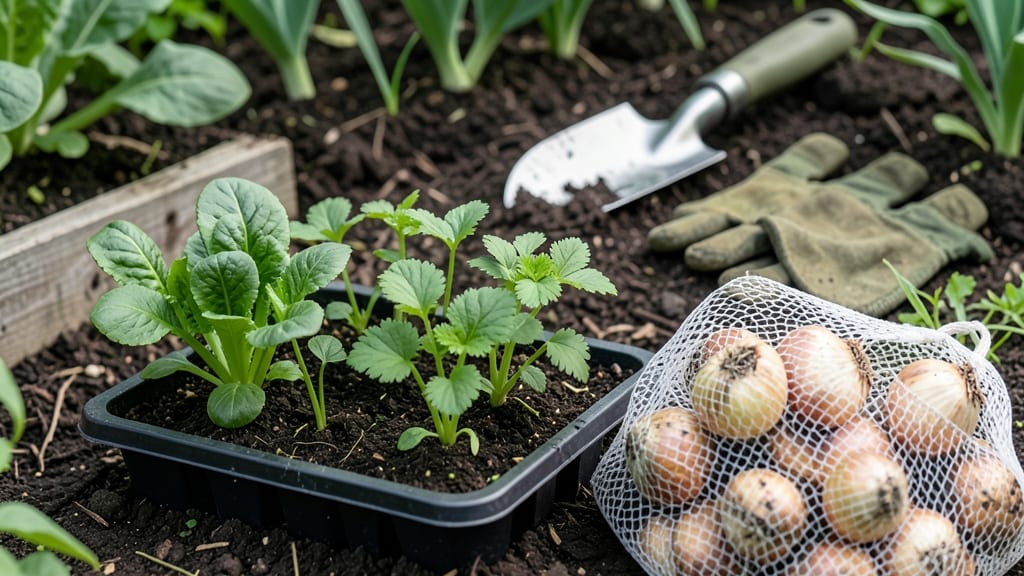
Now is the perfect time for gardeners to start planting seeds and bulbs, as cool-season vegetables like kale and peas thrive in early spring soil, while hardy bulbs such as crocuses and hyacinths emerge when daytime temperatures stabilize. Always verify your local frost dates, since soil warmth and weather patterns create ideal planting windows that shift by region.
Spring planting isn't just about timing—it's about matching seeds and bulbs to your climate's unique rhythm. 🌱 Cool-season crops like lettuce and spinach actually prefer the cooler temperatures of early spring, while bulbs like tulips need the ground to thaw but not bake.
I've learned the hard way that planting too early in cold zones can leave seeds vulnerable to frost, while waiting too long in warmer areas risks summer heat stress.
Checking your USDA zone and tracking soil temperatures (aim for 40–75°F for most seeds) makes all the difference between a thriving garden and a sad, wilted experiment.
For those of us in Zone 5–7, late March to early April is typically the sweet spot, but Pacific Northwest gardeners can start as early as February, while Southern states might wait until February or even later.
The key is observing your local frost dates—most seed packets include this info, but I always cross-reference with my county's agricultural extension service for extra precision. Pro tip: Amend your soil with compost before planting to give tender seedlings the best possible start.
💡 In This Article
- Best Early Planting Seasons for Seeds vs Bulbs
- Regional Planting Guides for Spring Seed and Bulb Success
Best early planting seasons for seeds vs bulbs
The difference between planting seeds and bulbs in early spring comes down to their biological needs. Seeds like lettuce and spinach germinate best when soil temperatures hover between 40–50°F, while bulbs such as tulips and daffodils need the ground to thaw but not warm above 50°F.
This is because bulbs have already stored energy from last year’s growth, while seeds rely on current soil warmth to activate their enzymes and sprout. 🌱 The frost dates you check aren’t just about avoiding cold snaps—they’re about ensuring the ground is workable but not yet baking under the sun.
Cool-season crops like kale and peas actually perform better in cooler weather, as high temperatures cause them to bolt (flower prematurely). Their ideal soil temperature range is 50–65°F, which is why early spring planting works so well—it gives them time to mature before summer heat arrives.
Bulbs, on the other hand, break dormancy when soil temperatures rise to around 45–55°F, but they can’t handle the intense heat that comes later in the season. This is why tulips planted too late in warm climates often fail to bloom—they’re already stressed by the time summer hits.
What most gardeners don’t realize is that frost dates aren’t just about the last frost—they’re also about the first warm spell.
For example, in Zone 6, you might plant cold-hardy seeds like peas in early March, but bulbs like hyacinths should wait until mid-April when the ground is reliably thawed but not yet too warm.
The key is watching for consistent daytime temperatures above 50°F while nighttime lows stay above 32°F. This balance ensures seeds germinate while bulbs don’t get heat-stressed before they’ve had a chance to establish roots.
Another critical factor is soil moisture. Seeds need consistent moisture to germinate, while bulbs prefer slightly drier conditions once planted. This is why many gardeners use a mix of compost and sand when planting bulbs—it improves drainage while retaining enough moisture to support early root growth.
For seeds, a light mulch helps maintain even soil temperatures and prevents crusting, which can block young seedlings from emerging. 🌿 The texture of freshly tilled soil in early spring is often looser than later in the season, making it easier for roots to penetrate and establish.
One common mistake is planting bulbs too deeply or too shallowly. Tulips, for instance, should be planted at a depth equal to 3 times their bulb diameter, while daffodils can handle slightly shallower planting.
Seeds, however, need to be planted at a depth equal to 2–3 times their width—deeper than this can delay germination, while planting too shallowly risks exposing them to drying winds or predatory birds.
The right depth ensures seeds get the moisture they need while bulbs have enough soil coverage to protect their delicate shoots from late frosts.
For those of us who garden in containers or raised beds, early spring planting offers extra flexibility. Container-grown plants warm up faster than in-ground soil, which means you can start seeds 2–4 weeks earlier than in traditional garden beds.
This head start can be especially valuable for cool-season crops that need to mature before summer heat sets in. Just be sure to use a high-quality potting mix with good drainage—nothing frustrates a gardener more than watching seedlings drown in soggy soil while the ground outside is perfectly dry.