
Planting
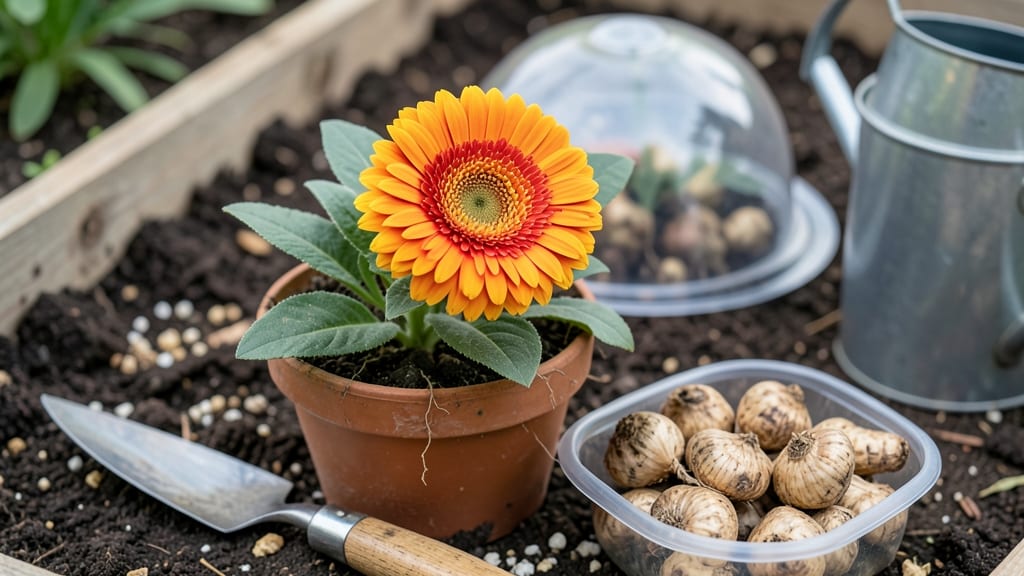
Gerbera daisy bulbs deliver vibrant, sun-loving blooms that brighten any garden bed or container—if you plant them right. 🌻 I’ve grown these cheerful daisies for years, and the key to their year-round productivity lies in mimicking their natural habitat: well-draining soil, 6+ hours of direct sun daily, and consistent moisture without soggy roots.
Most gardeners overwater or crowd the bulbs, which leads to floppy stems and fewer blooms.
The best time to plant gerbera daisy bulbs depends on your climate, but spring after the last frost or early fall gives them time to establish roots before extreme heat. Use a loose, sandy mix with compost—these bulbs hate compacted soil—and space them 12-18 inches apart for airflow.
A sunny, sheltered spot (like near a fence) protects them from harsh winds that can snap delicate stems.
Once planted, keep the soil evenly moist but never waterlogged—think of a damp sponge, not a swamp. Deadhead spent blooms to encourage nonstop flowering, and fertilize lightly every 4-6 weeks with a balanced formula.
With the right care, you’ll enjoy bold, long-lasting blooms from early summer through frost, and sometimes even into winter in milder zones.
Gerberas thrive in containers too, making them perfect for patios or balconies. Just ensure the pot has drainage holes and use a lightweight potting mix. Avoid planting them where evening shade lingers—those blooms need full sun to stay vibrant.
The payoff? A garden bursting with color that lasts all season, with minimal fuss.
📚 In This Guide
- What you need
- Instructions
- Tips and common mistakes
- Wrapping up and next steps
What you need
- ● Gerbera daisy bulbs: 3–5 bulbs per pot (6–8 inches in diameter) or 1 bulb per 12-inch spacing in garden beds.
- ● Well-draining potting mix: 2–3 gallons (for pots) or garden soil amended with compost (for in-ground planting).
- ○ Perlite or sand: 1 part (optional, improves drainage).
- ● Containers (if potted): 6–8-inch pots with drainage holes (or larger for multiple bulbs).
- ● Garden trowel or bulb planter: For digging holes (2–3 inches deep).
- ● Slow-release fertilizer (10-10-10 or bulb-specific): 1 tbsp per pot or 2 lbs per 100 sq ft.
- ● Watering can or hose with gentle spray: Avoid overwatering.
- ○ Mulch (optional): 1–2 inches of organic mulch (e.g., straw or shredded bark) to retain moisture.
- ● Epsom salt: 1 tsp per gallon of water (boosts magnesium for vibrant blooms).
- ● Plant stakes or cages: To support taller varieties.
- ● pH test kit: Ideal soil pH: 6.0–6.5 (gerberas love slightly acidic soil!).
- ● Shade cloth (30–50% coverage): For hot climates (gerberas prefer full sun but may scorch in extreme heat).
Step-by-step guide to planting and caring for gerbera daisy bulbs
Here's how to coax vibrant, long-lasting blooms from gerbera daisy bulbs with minimal fuss.
🌱 Step 1: Select and Prepare the Planting Site
Gerbera daisies thrive in full sun with at least 6-8 hours of direct light daily. Choose a location with well-draining soil—they despise soggy roots. If your garden soil is heavy clay, mix in 2-3 inches of coarse sand or perlite per square foot to improve drainage. I like to test drainage by digging a hole, filling it with water, and watching how quickly it drains—if it takes more than 30 minutes, amend the soil.
Loosen the top 12 inches of soil with a garden fork to encourage root growth. Gerbera bulbs prefer slightly acidic to neutral soil with a pH between 6.0-7.0. A simple soil test kit will confirm your garden's pH before planting. If your soil is too alkaline, work in sulfur or peat moss to lower the pH gradually.
🪴 Step 2: Plant Bulbs at the Right Depth and Spacing
Plant gerbera daisy bulbs no deeper than 2 inches below the soil surface—they're shallow-rooted and need quick access to sunlight. Space bulbs 12-18 inches apart to allow airflow and prevent fungal diseases. I always plant them in small groups of 3-5 bulbs for a fuller, more natural look in containers or garden beds.
For containers, use pots at least 8 inches deep with drainage holes. Fill the pot with well-draining potting mix, place the bulb on top, then cover it with soil, leaving the top of the bulb exposed. Water gently but thoroughly after planting to settle the soil around the roots. Avoid overwatering—gerberas hate wet feet and will rot if left in soggy soil.
☀️ Step 3: Water and Fertilize for Continuous Blooms
Water gerbera daisies deeply once a week, allowing the top 1-2 inches of soil to dry out between waterings. Overwatering is the fastest way to kill these bulbs, so I always check moisture with my finger before watering. In containers, you may need to water every 5-6 days depending on your climate and pot size.
Feed your gerberas with a balanced, water-soluble fertilizer (10-10-10 ratio) every 4-6 weeks during the growing season. I switch to a low-phosphorus fertilizer (like 5-5-5) in late summer to encourage root development for next year's blooms. Always water the soil thoroughly before and after fertilizing to prevent root burn.
✂️ Step 4: Prune and Deadhead for Longevity
Deadhead spent blooms by cutting the stem back to the nearest set of healthy leaves. This encourages the plant to produce more flowers and prevents seed formation, which drains energy from the bulb. I like to do this in the morning when the blooms are still fresh—it keeps the garden looking tidy and promotes continuous flowering.
After the first frost or when foliage yellows, cut back the stems to 2-3 inches above the soil. This helps the bulb store energy for next year. In warmer climates, gerbera daisies can be evergreen perennials, so they may not need winter dormancy. Always monitor your local frost dates and adjust care accordingly.
⏰ Step 5: Overwintering for Year-Round Blooms
In colder climates, mulch the planting area with 2-3 inches of straw or shredded leaves after the first frost to insulate the bulbs. This protects them from freezing temperatures and helps them survive winter. I never use thick mulch—just enough to shield the soil without suffocating the bulbs.
Gerbera daisies can be dug up and stored indoors in pots during winter if you live in a very cold region. Keep them in a cool, dry place (around 50-60°F) and water sparingly until spring. In spring, repot them in fresh soil and move them back outdoors after the last frost date. This method keeps them blooming for years with minimal effort.
Tips & tricks for perfect gerbera daisy bulbs
Here's what nobody tells you about keeping these sun-loving beauties thriving year after year.
Sunlight Strategy: Those 6-8 hours of daily sun are non-negotiable for vibrant blooms. I've learned the hard way that even partial shade can lead to pale, leggy stems. For containers, place them on a sunny patio or balcony where they'll get maximum light exposure. If you notice your gerberas stretching toward the light, rotate the pots weekly so all sides get even sun.
Soil Science: The drainage test is your secret weapon—if water sits longer than 30 minutes, you absolutely need to amend that soil. I've seen gerbera bulbs rot in heavy clay within weeks. For containers, I always use a mix of potting soil and perlite (50/50 ratio) to ensure perfect drainage. The top 12 inches of loose soil you create isn't just for show—it's where the roots will spread most actively.
Planting Precision: That 2-inch depth guideline is critical because gerbera bulbs have shallow roots that need quick access to sunlight. I make a small mound of soil first, place the bulb on top, then cover it—this ensures the bulb stays at the right level. For containers, I use the "one finger rule": if you can fit one finger between the bulb and rim, you're good to go. This prevents them from being buried too deep.
Watering Wisdom: The once-weekly deep watering schedule works perfectly when you check that top 1-2 inches of soil first. I've found that using a moisture meter saves time and prevents both underwatering and overwatering. For containers, I weigh them—if they feel light, it's time to water. In hot climates, you might need to water every 5-6 days, but never let them sit in soggy soil.
Pro Tips for Gerbera Daisy Bulbs
- Here's what nobody tells you about keeping these sun-loving beauties thriving year after year.
- Sunlight Strategy: Those 6-8 hours of daily sun are non-negotiable for vibrant blooms.
- Soil Science: The drainage test is your secret weapon—if water sits longer than 30 minutes, you absolutely need to amend that soil.
Frequently asked questions
Got questions about growing gerbera daisy bulbs? You’re not alone! Here are answers to the most common ones to help you cultivate vibrant blooms with confidence.
When is the best time to plant gerbera daisy bulbs?
For year-round blooms, plant in early spring (after the last frost) or late summer (4-6 weeks before the first frost). In warmer climates, you can plant anytime—just keep soil moist until roots establish. Pro tip: Avoid planting in winter if temps dip below 40°F (4°C), as cold-sensitive bulbs may rot.
How much sun do gerbera daisy bulbs need?
Gerberas thrive in full sun (6+ hours daily), but in scorching climates, morning sun + afternoon shade prevents wilting. If blooms fade quickly, it’s often a sign of too much heat. Use mulch to retain moisture and protect roots. Fun fact: Variegated leaves may need slightly more shade to prevent leaf scorch!
Why aren’t my gerbera daisy bulbs blooming?
Lack of blooms usually stems from over-fertilizing with nitrogen (promotes leaves, not flowers) or poor sunlight. Try this: Reduce high-nitrogen fertilizer and switch to a bloom-specific formula (like 5-10-10). Also, ensure bulbs get 6+ hours of sun and deadhead spent blooms to encourage new growth.
Can I grow gerbera daisies from store-bought flowers?
Unfortunately, no—store-bought gerbera flowers are cut stems, not bulbs. To propagate, you’ll need to buy certified bulbs (available at nurseries or online). Alternative idea: Try growing from seed (slower but rewarding!) or ask local growers for bulb divisions.
What pests or diseases should I watch for?
Gerberas attract aphids, slugs, and spider mites. Prevent pests by keeping soil moist (slugs hate dry conditions) and spraying leaves with neem oil or insecticidal soap. Watch for powdery mildew (white dust on leaves)—improve airflow and avoid overhead watering. Quick fix: Remove infected leaves immediately!
Are gerbera daisy bulbs perennial in my climate?
In USDA Zones 8-11, gerberas are perennial and will return yearly. In cooler zones (below Zone 7), treat them as annuals or dig up bulbs in fall, store in dry peat moss, and replant next spring. Bonus: Overwintering bulbs indoors (in pots) lets you enjoy them year-round!
Wrapping up and next steps
Growing gerbera daisy bulbs is a rewarding way to add vibrant color to your garden with minimal fuss! 🌸 With the right soil, sunlight, and care, these cheerful blooms will thrive year-round—even in full sun.
Whether you're a seasoned gardener or just starting, their resilience makes them a perfect choice for brightening up any space.
Ready to get started? Plant your bulbs today and watch your garden transform into a burst of color! For extra tips, check out our year-round care guide to keep your gerberas blooming beautifully.