
How To
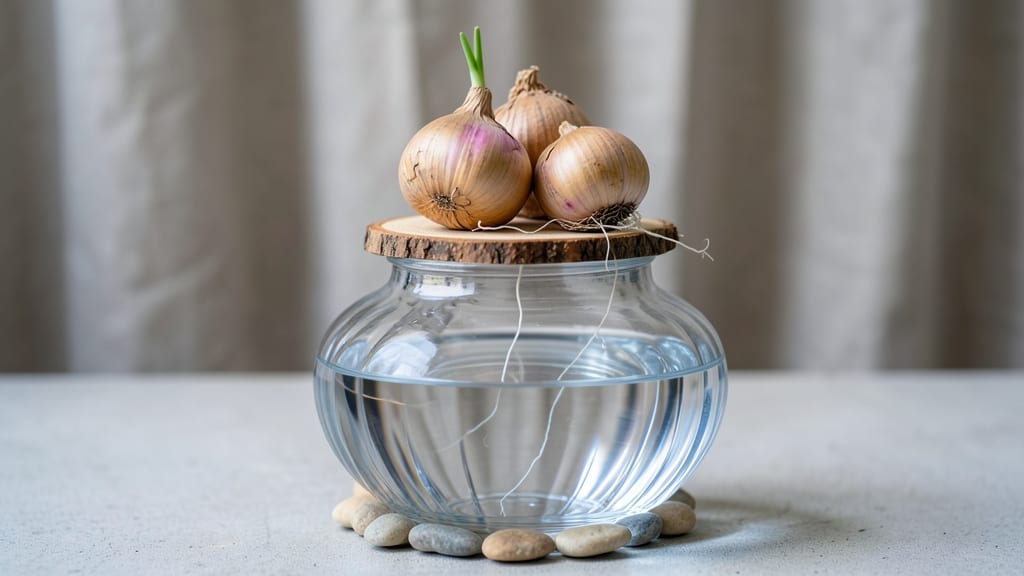
Growing hyacinth bulbs in water is easier than you think—no soil, no mess, just vibrant blooms on your windowsill.
Imagine waking up to the intoxicating scent of hyacinth blooms without ever touching soil—this zero-soil water-growing method makes it possible, even for busy gardeners with limited space.
With just a few simple steps, you can coax these fragrant 🌷 beauties into life using nothing more than water, light, and patience. This approach is perfect for apartments, offices, or anyone who wants fast results without the fuss of traditional gardening.
Below, I’ll walk you through selecting the right bulbs, choosing the best containers, and keeping your water fresh for optimal growth. You’ll learn how to avoid common pitfalls and get tips for extending the life of your blooms—so you can enjoy their sweet perfume for weeks.


How to grow hyacinth bulbs in water: step-by-step zero-soil guide
Growing hyacinth bulbs in water is one of my favorite zero-soil methods because it requires minimal space and delivers stunning, fragrant blooms. Unlike traditional soil planting, this technique lets you enjoy hyacinths on windowsills, patios, or balconies without a garden bed.
The key is selecting healthy bulbs and maintaining the right water conditions to encourage strong root growth and vibrant flowers.
Hyacinths thrive in water because they naturally store nutrients in their bulbs, but they still need proper care. You'll need a clear container, fresh water, and a sunny spot to mimic their natural growing conditions.
This method works best with dwarf or standard hyacinth varieties, which produce 12-18 inch stems perfect for indoor displays. Let's dive into the step-by-step process to get your water-grown hyacinths blooming beautifully.
-
Step 1: Select Healthy Bulbs
Choose firm, plump hyacinth bulbs with no soft spots or mold. Look for dormant bulbs (sold in fall) with smooth, papery skins. Smaller bulbs (about 2-3 inches wide) work well for water growing.
-
Step 2: Prepare Your Container
Use a clear glass bowl or vase with a wide mouth (at least 3 inches in diameter). Clean it thoroughly to avoid bacteria. A 1-2 inch deep container is ideal—deeper water can cause rot.
-
Step 3: Add Water and Bulbs
Fill the container with room-temperature water until the bulb is submerged halfway up its sides. Place the bulb with its pointed end up (never upside down). Use 1 bulb per container for best results.
-
Step 4: Provide Bright Light
Place your container near a south-facing window or under grow lights for 6+ hours of sunlight daily. Hyacinths need light to trigger blooming, so avoid dim corners.
-
Step 5: Change Water Weekly
Replace the water every 5-7 days to prevent bacterial growth. Use fresh, room-temperature water each time. Avoid adding fertilizers—they can harm the delicate roots.
-
Step 6: Watch for Roots and Stems
In 2-3 weeks, you'll see white roots emerge. Once stems reach 3-4 inches tall, buds will form. Keep the water level consistent—never let the bulb dry out.
-
Step 7: Enjoy Blooms and Care for Bulbs
Hyacinths typically bloom in 6-8 weeks. After flowering, let the leaves yellow naturally. You can replant the bulb in soil for next year or keep it in water as an annual.
One of my favorite aspects of this method is how it transforms a simple kitchen or bathroom window into a fragrant floral display. The bulbs will send out sturdy stems with clusters of highly aromatic flowers in colors like purple, pink, white, or blue.
Just be prepared for the intoxicating scent—it fills the room beautifully!
For best results, avoid overcrowding the container. If you want multiple hyacinths, use separate containers or a larger vase with at least 3 inches between bulbs.
This prevents competition for nutrients and ensures each plant gets enough light. I’ve found that smaller bulbs often produce more compact, manageable plants, perfect for tight spaces.
You might wonder if water-grown hyacinths will produce viable bulbs for replanting. While they may not always store as much energy as soil-grown ones, you can still plant them in soil after flowering for a chance at next year’s blooms.
Just let the foliage die back naturally before transplanting to a garden bed or pot.
Light is the most critical factor after water quality. If your hyacinths aren’t blooming, they might need more sunlight. Supplement with a grow light if natural light is insufficient, especially in winter months when days are shorter.
I’ve seen hyacinths in water bloom just as vigorously as those in soil when given the right light conditions.
Remember to keep the water clean and the environment stable. Hyacinth bulbs are sensitive to temperature fluctuations, so avoid placing them near drafts or heating vents. With these steps, you’ll have fragrant, healthy hyacinths that brighten up any room—no soil required!
Best containers and water conditions for hyacinth bulbs in water
Choosing the right container and water conditions is key to growing thriving hyacinth bulbs in water. Unlike traditional soil methods, water-growing requires careful attention to materials and water quality to prevent rot and encourage vibrant blooms.
Glass containers are popular for their aesthetic appeal, but ceramic or decorative bowls also work beautifully.
Your hyacinth bulbs need clean, room-temperature water with minimal additives. Tap water left out for 24 hours to off-gas chlorine works best, while distilled water prevents mineral buildup. Avoid adding fertilizers or salts, as they can harm the delicate roots and stunt growth.
Container material affects moisture retention and temperature stability. Glass bowls maintain consistent temperatures but require frequent water changes, while ceramic containers offer better insulation but may crack if exposed to sudden temperature shifts. I recommend wide-mouth glass jars with at least 3 inches of water depth to accommodate root growth.
| Container Type | Material Benefits | Water Requirements | Best For |
|---|---|---|---|
| Glass Bowls | Clear visibility, easy cleaning, stable temperature | Change every 5-7 days, maintain 3" water depth | Decorative displays, bright windowsills |
| Ceramic Pots | Insulates roots, stylish designs, durable | Change every 7-10 days, avoid cold water | Outdoor patios, temperature fluctuations |
| Plastic Containers | Lightweight, affordable, easy to find | Change every 4-5 days, avoid direct sun | Budget growers, temporary setups |
Water temperature plays a crucial role in bulb health. Keep water between 65-75°F—too cold can shock roots, while warm water accelerates bacterial growth. I place my containers on insulated trays during winter to maintain stability.
For added safety, use a thermometer to monitor temperature, especially in heated or drafty rooms.
One common misconception is that hyacinths thrive in nutrient-rich water. In reality, they prefer minimal additives. A tiny pinch of bulb-specific fertilizer every 4-6 weeks suffices, but only after roots establish.
Over-fertilizing causes burned roots and stunted blooms. I use fish emulsion diluted to 1/4 strength for occasional feeding during active growth.
Remember that container size matters—too small limits root growth, while oversized containers waste water. For single bulbs, a 6-inch diameter container works perfectly. Group 3-5 bulbs in a 10-inch bowl for a stunning display, but ensure each bulb has 1-2 inches of space between neighbors to prevent competition.
With the right container and water conditions, your hyacinths will reward you with fragrant blooms and lush foliage—all without soil! Start with clean materials, monitor water quality, and enjoy the process of growing these easy-care beauties.