
How To
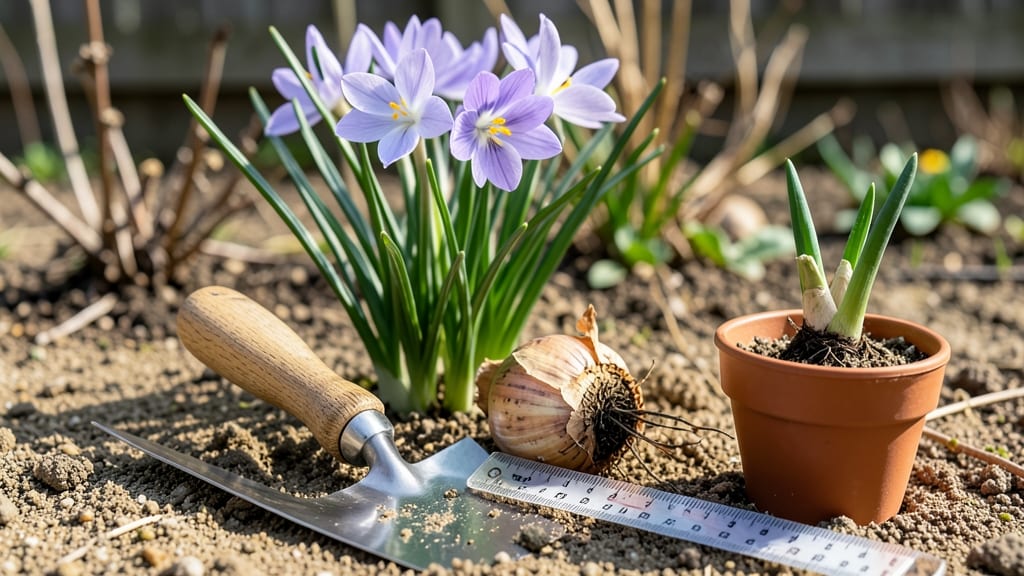
Planting crocus bulbs at 3–4 inches deep is the secret to those cheerful 🌸 blooms popping up every spring—too shallow, and you risk rot; too deep, and you’ll wait years for flowers.
Planting crocus bulbs at the wrong depth can mean the difference between vibrant spring blooms and years of disappointment—so getting it right is everything.
Here’s the science: crocus bulbs need enough soil to anchor roots but not so much that they suffocate. In USDA Zone 6a, fall planting (September–October) is ideal, but spring (March–April) works too—just adjust for soil temperature.
Below, I’ll break down the exact depth for different crocus types, how to fix common mistakes, and why well-drained soil is non-negotiable. Let’s get those bulbs blooming on schedule!
The exact depth to plant crocus bulbs for perfect blooms
Planting crocus bulbs at the wrong depth can mean the difference between vibrant spring blooms and years of disappointment—so getting it right is everything. These tiny but mighty bulbs thrive when planted at the perfect depth, which ensures strong root growth, proper flower emergence, and winter hardiness.
Most gardeners swear by a 3-4 inch depth for standard crocus varieties, but the science behind this rule is fascinating.
Crocus bulbs are unique because they prefer shallow planting compared to larger bulbs like tulips or daffodils. The shallow depth allows their delicate roots to access moisture and nutrients quickly while protecting them from winter frost.
When planted too deep, crocus bulbs may struggle to push through the soil in spring, while planting them too shallow can expose them to freezing temperatures in winter. Let's dive into the exact science-backed depth for perfect blooms.
The 3-4 inch rule for standard crocus bulbs comes from horticultural research showing that this depth creates the perfect balance between root development and flower emergence. When you plant a crocus bulb, the pointy end should face upward—this is where the shoot will emerge.
The bulb's natural shape guides the roots downward while the shoot pushes upward through the soil.
One common myth is that deeper planting equals better winter protection. While crocus bulbs are hardy in USDA zones 3-8, planting them too deep can actually harm them. The bulb's natural insulation comes from its own protective layers, not from being buried deeper.
Instead, focus on planting in well-draining soil with a layer of mulch (1-2 inches) to protect against extreme temperature fluctuations.
For dwarf alpine crocus, which often grow in rocky mountain regions, the ideal depth is shallower at 2-3 inches. These varieties have adapted to grow in thin soil layers where water and nutrients are scarce.
Planting them too deep can lead to rot or failed blooming. Use a soil mix with perlite or grit to mimic their natural habitat and ensure proper drainage.
If you're planting crocus bulbs in heavy clay soil, increase the depth to 4-5 inches. Clay soil holds too much moisture, and planting at the standard depth can lead to bulb rot.
Amending the soil with compost or sand before planting helps improve drainage. In sandy soil, however, reduce the depth to 2-3 inches to prevent the bulbs from drying out too quickly.
Timing your planting is just as critical as depth. For fall-planted crocus (the most common method), aim to plant bulbs 6-8 weeks before the first frost. This gives the roots time to establish before winter sets in.
In warmer climates (zones 8-10), you can also plant crocus bulbs in late winter or early spring, but adjust the depth slightly to 3 inches to account for the lack of winter chill.
After planting, water the area lightly to settle the soil around the bulbs. Avoid overwatering, as crocus bulbs prefer dry conditions during dormancy. Once the foliage appears in spring, you can increase watering slightly, but never let the soil become waterlogged.
The key to perfect blooms lies in this balance—proper depth, well-draining soil, and minimal water during dormancy.
Watch for signs of improper planting depth. If your crocus bulbs fail to bloom or produce only weak, spindly stems, they may be planted too deep. Conversely, if the bulbs push through the soil too early in winter (a rare but possible issue), they were likely planted too shallow.
Adjust your depth next season based on these observations to achieve consistent, vibrant blooms year after year.
With the right depth and care, your crocus bulbs will reward you with cheerful spring blooms that appear even before the snow melts. The secret lies in understanding their natural growth habits and mimicking their ideal conditions in your garden. Happy planting! 🌸
How to adjust planting depth for different crocus types and soil conditions
Not all crocus varieties thrive at the same planting depth. Giant crocus like Crocus vernus need more space to establish strong roots, while alpine crocus varieties like Crocus tommasinianus prefer shallower placement.
Even your soil type plays a role—heavy clay holds moisture differently than sandy soil, affecting bulb health. Let’s break down the adjustments you need to make for each scenario.
For most crocus types, the general rule is planting 3-4 inches deep, but this changes based on bulb size and soil conditions. Giant crocus bulbs (1.5–2 inches in diameter) should go 4-5 inches deep to support their larger root systems.
Meanwhile, dwarf alpine crocus (under 1 inch) only need 2-3 inches of coverage—any deeper, and they’ll struggle to push through the soil.
| Crocus Type | Bulb Size | Ideal Depth (Inches) | Soil Adjustments |
|---|---|---|---|
| Giant Crocus (Crocus vernus) | 1.5–2" | 4–5" | Deeper in sandy soil; shallower in clay |
| Alpine Crocus (Crocus tommasinianus) | Under 1" | 2–3" | Add gravel in raised beds for drainage |
| Standard Crocus (Crocus sativus) | 1–1.5" | 3–4" | Mix compost into heavy clay |
| All Types in Raised Beds | Varies | 2–3" (shallower) | Use well-draining mix to prevent rot |
Heavy clay soil can suffocate crocus bulbs if planted too deep, as water pools around them. To fix this, loosen the soil with organic matter like compost or peat moss before planting. For sandy soil, which drains too quickly, add a layer of perlite or vermiculite at the bottom of the hole to retain moisture without compacting the roots.
Raised beds offer unique challenges because they dry out faster. Plant crocus bulbs 2-3 inches deep in raised beds and top-dress with mulch to retain moisture. Avoid overwatering—soggy soil in raised beds can rot bulbs just as quickly as too-shallow planting.
A mix of coco coir and sand improves drainage while keeping roots hydrated.
If you’ve already planted bulbs too deep, don’t panic. Gently dig up the bulbs after 6-8 weeks and replant them at the correct depth. For bulbs planted too shallow, cover them with an extra 1 inch of soil and water lightly to encourage root growth downward.
Monitor for yellowing leaves or failed blooms, which are red flags for depth issues.
Pro tip: Use a bulb planter with depth markings to ensure consistency. For alpine crocus, consider planting in rock gardens where shallower soil layers mimic their natural habitat. With these adjustments, your crocus will thrive regardless of soil type or bulb size!