
How To
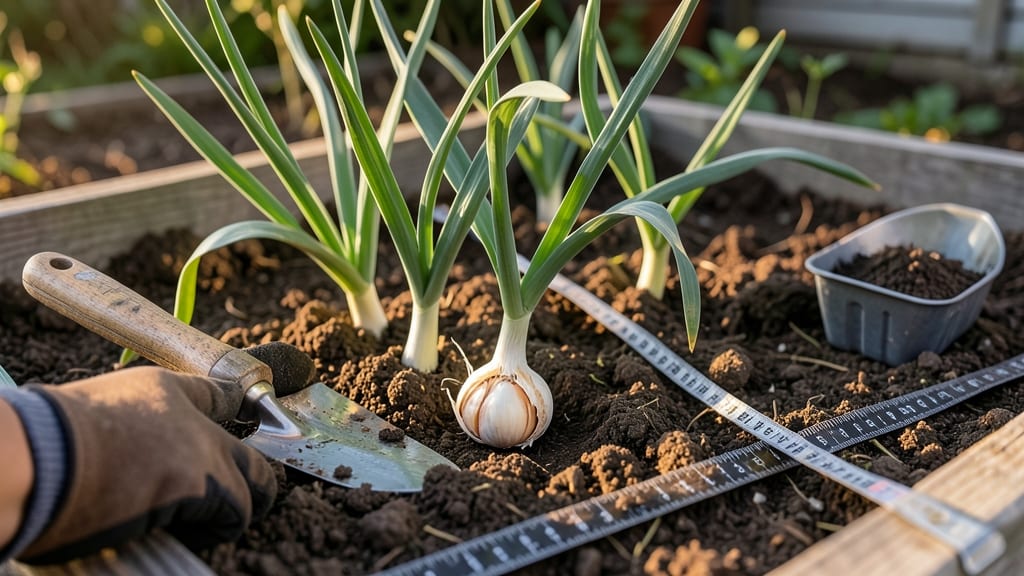
To figure out how deep to plant allium bulbs, remember that the right depth ensures stronger blooms and fewer flops in your garden—most varieties need 6 to 8 inches of soil coverage for optimal root growth.
Struggling to get your allium bulbs to bloom? Planting depth is the secret weapon most gardeners overlook—get it wrong, and you’ll miss out on stunning flowers like chives, garlic chives, and ornamental alliums.
The difference between a thriving plant and a sad, stunted one often comes down to how deep you tuck those bulbs into the earth.
Alliums like well-draining soil and room to stretch their roots, but planting too deep can suffocate them, while too shallow leaves them vulnerable to frost or drought.
I’ve seen chives (the smaller variety) thrive with just 3 to 4 inches of coverage, while their larger cousins, like ornamental alliums, demand the full 6 to 8 inches to support their towering blooms.
Below, I break down the exact depth for each type, how to adjust for your soil, and the 3 most common mistakes that turn blooms into busts—plus how to fix them before it’s too late.


The perfect allium bulb planting depth by type: chives vs. ornamental alliums
Getting your allium bulbs to thrive starts with the right planting depth. Unlike many bulbs, alliums—whether chives or ornamental varieties—have unique needs. Plant too shallow, and you risk poor root development.
Too deep, and you’ll suffocate the bulb. Let’s break down the exact depth guidelines for each type to ensure stunning blooms every season.
Most gardeners assume all bulbs follow the same 6-inch rule, but alliums defy this convention. Chives and garlic chives, with their delicate, fibrous roots, prefer a shallower approach. Meanwhile, giant alliums like Allium giganteum or Allium schubertii need deeper planting to support their towering stems.
Understanding these differences is key to avoiding stunted growth or no flowers at all.
Before you dig, check your soil type. Clay soils compact easily, requiring deeper holes to prevent root suffocation. Sandy soils, on the other hand, drain so quickly that shallower planting may be ideal.
Adjust your planting depth by 1-2 inches based on your soil’s drainage—this small tweak can mean the difference between a thriving plant and a struggling one.
Spacing also plays a critical role in bloom density. Crowding allium bulbs too closely leads to competition for nutrients, while spacing them too far apart wastes garden space. For chives, aim for 4-6 inches apart.
For larger ornamental alliums, stretch that to 12-18 inches to give roots room to establish before the growing season peaks.
Now, let’s dive into the specifics. The table below compares planting depths, spacing, and soil adjustments for chives versus ornamental alliums, so you can plant with confidence.
For chives, the secret to success lies in their shallow roots. Plant them just 1-2 inches deep, with the bulb’s base sitting ½ inch below soil level.
This encourages quick regrowth after harvest and prevents rot. If you’re growing chives in containers, use a well-draining mix with perlite or vermiculite to mimic loose garden soil.
Ornamental alliums, like Allium giganteum, need deeper planting to anchor their tall stems. Dig holes 6-8 inches deep, placing the bulb so its base is 2 inches below the final soil level.
This depth ensures stability and prevents toppling in wind or rain. In heavy clay soil, add a layer of gravel or coarse sand at the bottom of the hole to improve drainage.
After planting, water deeply to settle the soil around the bulbs. Avoid overwatering, as soggy soil can cause rot, especially for shallow-rooted chives. Instead, aim for consistent moisture—about 1 inch of water per week—and reduce watering once foliage yellows in late summer.
This mimics natural dormancy and prepares bulbs for next year’s growth.
One common mistake is planting alliums too deep, thinking deeper means stronger roots. But over-deep planting can starve the bulb of oxygen and nutrients, leading to weak stems or no flowers.
For ornamental alliums, if your soil is particularly dense, consider raising beds or planting in mounds to achieve the ideal depth without compacting the roots.
To maximize bloom density, stagger your planting. Add a few new bulbs each year in early fall or spring, spacing them evenly. This creates a continuous display of flowers from early summer through fall, depending on the variety.
For chives, you can even harvest leaves throughout the season without disturbing the roots, as long as you leave some foliage for photosynthesis.
Finally, don’t forget to mulch lightly around your alliums after planting. A 1-inch layer of straw or shredded leaves
Common mistakes that kill allium blooms (and how to fix them)
Allium blooms are stunning, but many gardeners struggle to get them to thrive—especially when it comes to planting mistakes. The most common issues stem from over-planting or under-planting, which disrupts root development and leads to stunted growth or no flowers at all.
Even a small error in depth can cause soil compaction or waterlogging, suffocating your bulbs before they even sprout.
When bulbs are planted too shallow, they’re exposed to temperature fluctuations and dry soil, forcing them to divert energy toward survival instead of blooming. Conversely, planting too deep can trap moisture around the bulb, promoting rot and fungal diseases.
Both scenarios leave you with leggy stems or no flowers, despite your best efforts.
🚨
Correct depth: 2-3x the bulb’s height (e.g., a 1-inch bulb should go 2-3 inches deep). For ornamental alliums, aim for 6-8 inches deep, while chives thrive at 1-2 inches deep.
Why it matters: Too shallow? Roots bake in sun. Too deep? Moisture traps and rot set in. Always plant with the pointy end up and well-draining soil.
Another frequent mistake is crowding bulbs too closely together, which competes for nutrients and space. Alliums need room to establish strong root systems—packing them in like sardines leads to weak stems and smaller blooms.
For most varieties, space bulbs 4-6 inches apart in rows 8-12 inches apart to avoid overcrowding.
If your alliums are already struggling, check for signs of root suffocation, like yellowing leaves or mushy bulbs when dug up. This often means the soil is too dense or lacks organic matter.
Amend your soil with compost or sand to improve drainage, and avoid heavy clay soils unless amended properly.
For stunted growth, consider whether your alliums are getting enough sunlight. Most varieties need 6+ hours of full sun daily—if they’re shaded, they’ll focus on leafy growth instead of blooms. Move them to a sunnier spot or prune nearby plants blocking light.
Finally, don’t forget that watering habits play a role. Overwatering after planting can drown bulbs, while underwatering stresses them. Water deeply once planted, then reduce to 1 inch per week once established. Mulch around the base to retain moisture and regulate soil temperature.