
Blooming
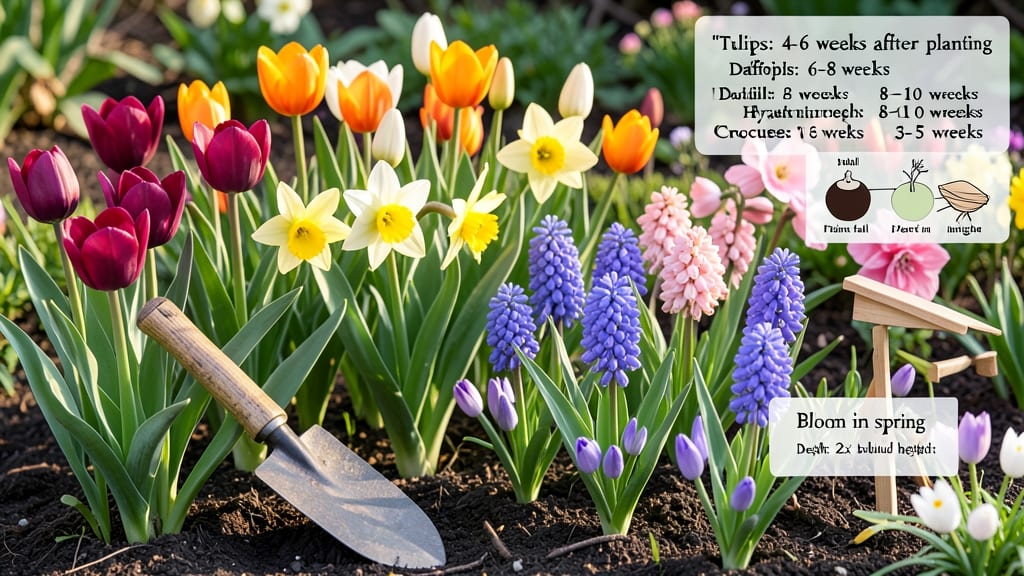
Knowing how long it takes for bulbs to bloom depends on the variety: spring-planted tulips and daffodils typically emerge in 4-6 weeks, while hardy fall-planted crocuses may appear in just 2-3 weeks. Summer dahlias, however, can take 8-12 weeks from planting to full bloom, with growing conditions like sunlight and soil quality playing a key role.
Timing varies because each bulb type has different dormancy needs and growth cycles. For example, early spring crocuses often bloom faster because they're planted in fall and naturally experience winter chilling—a process that kickstarts their growth.
Meanwhile, summer bulbs like cannas or callas need warmer soil temperatures to activate, which is why they take longer to push through. 🌱 I’ve found that planting in well-draining soil with compost and providing consistent moisture can shave off 1-2 weeks from bloom times, especially for slower varieties.
Another factor is climate—cooler regions may delay blooming by 1-3 weeks compared to warmer zones. For instance, tulips in Zone 5 might take 6 weeks while the same variety in Zone 8 could bloom in 4.
The key is to match your planting schedule to your local frost dates and bulb hardiness zones for the most predictable results.
💡 In This Article
- Bulb Bloom Timelines by Season and Variety
- How to Speed Up Bulb Blooming with Gardening Tips
Bulb bloom timelines by season and variety
The bloom timeline for bulbs is fundamentally tied to their natural growth cycles and seasonal cues. Spring bulbs like tulips and daffodils require 4-6 weeks because they rely on winter chilling—a process where cold temperatures break dormancy and stimulate root growth.
This chilling period can last 12-16 weeks for tulips, meaning they need to be planted in fall to emerge early spring. The actual bloom window occurs once roots establish and soil temperatures rise above 50°F, signaling the bulb to push through the soil.
Fall-planted bulbs like crocuses and snowdrops have a head start because they've already experienced their chilling period by winter. These hardy varieties often emerge in just 2-3 weeks after the ground thaws, as their roots are already active beneath the frost line.
The secret lies in their shallow planting depth (3-4 inches) and small size, allowing them to capitalize on early spring warmth. Compare this to summer bulbs like dahlias, which can take 8-12 weeks because they require warmer soil (60°F+) to activate growth hormones.
Hyacinths represent an interesting middle ground with a 6-8 week bloom cycle, thanks to their balanced need for winter chilling and moderate soil temperatures.
The key difference between hyacinths and lilies (which take 10-12 weeks) lies in their root systems—hyacinths develop a fibrous network quickly, while lilies form a more extensive rhizome structure that requires additional time. This structural difference directly impacts how quickly they can transport nutrients to the flower bud.
Climate plays a surprisingly large role in these timelines. In cooler regions like Zone 5, tulips might take the full 6 weeks to bloom, while in warmer Zone 8, they could emerge in just 4 weeks. The reason?
Warmer soils accelerate enzymatic activity in the bulb, speeding up cell division. Conversely, late frosts can delay blooming by 1-3 weeks as the plant conserves energy to protect emerging shoots. This is why gardeners in transitional climates often use row covers to create microclimates that protect tender shoots.
What most gardeners don't realize is how bulb size affects bloom speed. Larger bulbs (like 12-inch tulips) often bloom 1-2 weeks earlier than smaller 8-inch varieties because they store more energy reserves. This energy translates directly to faster root establishment and flower stalk development.
For example, a 10-ounce daffodil bulb might bloom in 5 weeks, while a 5-ounce bulb could take 7 weeks—a difference that's easy to overlook when selecting bulbs.
The visual progression of bulb blooming follows a fascinating pattern. First, you'll see the shoot emerge through the soil (often called "sprouting"), followed by leaf development (which provides energy through photosynthesis), and finally the flower bud formation.
Each stage is governed by specific temperature thresholds—tulips need 40°F for shoots, 55°F for leaves, and 60°F+ for buds. This staged progression explains why some bulbs appear to "stall" before their final bloom surge.