
How To
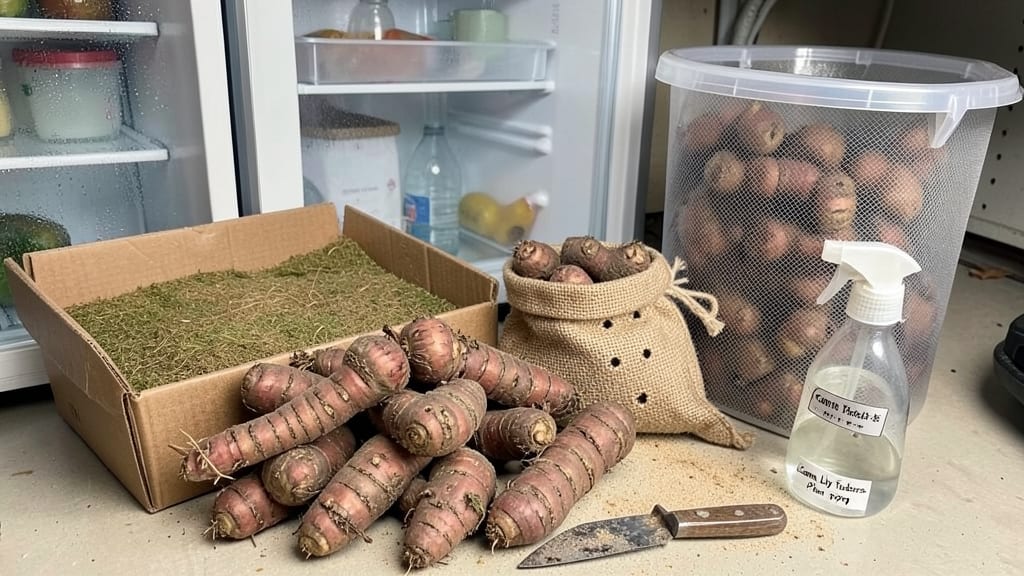
Storing canna lily bulbs properly ensures vibrant 🌺 blooms next season—here’s the exact method to keep them thriving through winter.
Canna lilies deliver vibrant blooms all summer—until the frost hits. But if you store their bulbs wrong, you’ll sacrifice next year’s show-stopping flowers. The key lies in timing, drying, and the right conditions to prevent rot or sprouting too soon.
Most gardeners dig up rhizomes after the first frost when foliage turns yellow, but the real trick is letting them dry completely before storing. Too much moisture? Mold sets in.
Too little air? They shrivel. We’ll walk you through the step-by-step process, including the ideal temperature and how to spot common mistakes before they ruin your bulbs.
By the end, you’ll know exactly when to store them, how to check for pests, and why a cool, dark spot with good airflow is non-negotiable. Next spring, your canna lilies will reward you with even bigger, bolder blooms—if you follow these proven tips.
Step-by-step guide to properly storing canna lily bulbs over winter
Storing canna lily bulbs correctly is the key to vibrant regrowth next spring. These tropical beauties thrive in warmth but need proper dormancy to survive winter. The secret lies in timing, drying, and creating the right storage environment—one that mimics their natural cycle without freezing or rotting.
If you’ve ever watched your canna rhizomes shrivel or rot during storage, you know how frustrating it can be. The good news? With the right steps, you can preserve 90%+ of your bulbs for years.
I’ll walk you through the exact process I use, including when to dig, how to clean and dry them, and where to store them for peak performance.
- 1 Wait for the Right Time: Dig up canna rhizomes after first frost when foliage turns completely brown and dies back naturally (typically October-November in most climates).
- 2 Gently Dig and Clean: Use a garden fork to lift rhizomes, then rinse off soil with water. Trim dead foliage to 1-2 inches above the rhizome using sterilized pruners.
- 3 Dry Thoroughly: Lay rhizomes in a shady, well-ventilated area (like a garage or porch) for 1-2 weeks. Ensure they’re completely dry—no moisture left on or inside the bulb pockets.
- 4 Inspect for Pests/Disease: Discard any soft, mushy, or moldy rhizomes. Treat healthy ones with a fungicide spray (like neem oil) to prevent rot during storage.
- 5 Store in Ideal Conditions: Place rhizomes in a paper bag or mesh bag with dry peat moss or vermiculite. Store in a cool, dark place (like a basement or garage) at 40-50°F and 50-60% humidity.
- 6 Monitor Monthly: Check for sprouting or rot every 4-6 weeks. If sprouts appear, move bulbs to a cooler spot (like a fridge) until spring planting.
One of the most critical mistakes gardeners make is storing canna rhizomes too early. If you dig them up while leaves are still green, the bulbs won’t have completed their energy reserves, leading to weak regrowth.
Aim to harvest after foliage is fully brown and crispy—this ensures the rhizomes are packed with nutrients for next year’s growth.
The drying process can’t be rushed. I’ve seen bulbs develop fungal infections because they weren’t dry enough before storage. Spread them out in a single layer where they can air-dry naturally.
Avoid direct sunlight, as it can overheat and damage the rhizomes. A garage or covered porch is perfect for this step.
When it comes to storage containers, avoid plastic bags—they trap moisture and cause rot within weeks. Instead, opt for breathable materials like paper bags or mesh sacks. I like to add a small handful of dry peat moss to the bag to absorb any residual moisture.
This simple trick has doubled my bulb survival rate over the years.
Temperature control is non-negotiable for long-term storage. Canna rhizomes can’t handle freezing temperatures, but they also won’t thrive in heat. The ideal range of 40-50°F mimics their natural dormancy period.
If your basement gets too cold, a closet with a thermostat or even the back of your fridge (not the veggie drawer) works in a pinch.
Finally, don’t forget to label your bulbs! I use masking tape and a Sharpie to note the variety and year. This saves headaches in spring when you’re ready to replant. Pro tip: Store bulbs by
Do canna lily bulbs need chill hours? The truth about forced dormancy
Many gardeners assume canna lily bulbs need chill hours like tulips or daffodils—but that’s a common misconception. Unlike temperate perennials, cannas are tropical plants that thrive in warmth.
Their rhizomes (not true bulbs) store energy without requiring cold stratification. In fact, forcing dormancy with cold can weaken them before next spring.
Instead of chill hours, cannas rely on natural dormancy cues like shortened daylight and cooler temps. When leaves yellow and die back in fall, the rhizomes already contain enough energy to regrow. Your goal is simply to preserve moisture and protect them from freezing—no cold treatment needed.
⚠️ callout warning ⚠️
Storing canna rhizomes in a refrigerator or freezing temps (32°F or below) triggers rot and mold. These tropical plants need consistent warmth (50-60°F) and moderate humidity (50-60%). Cold shocks their dormancy cycle, causing premature sprouting or death.
✅ Do this instead: Keep rhizomes in a cool, dark basement or garage corner with stable temps. Wrap them in paper towels (not plastic) to prevent moisture buildup.
If you’re unsure whether your cannas need dormancy, observe their natural cycle. In USDA Zones 8-11, cannas often survive winter outdoors with mulch protection. Even in colder zones, rhizomes stored at 55°F (like a garage or unheated shed) regrow just as vigorously as chilled bulbs.
For forced dormancy, mimic their native tropical environment: warmth + dryness. After digging, let rhizomes air-dry for 3-5 days in a shaded spot. Then store them in paper bags or cardboard boxes with dry peat moss or vermiculite (not soil).
Check monthly for soft spots or mold—these signal over-moisture.
Pro tip: Label your canna rhizomes with variety names and dig dates to track storage duration. Older rhizomes (over 3 years) may produce fewer blooms, so rotate your collection. With proper storage, cannas can live—and rebloom—for decades!
Remember, cannas are low-maintenance survivors. Skip the chill hours and focus on consistent warmth and minimal moisture. Next spring, you’ll reward yourself with bold, tropical blooms that outshine chilled alternatives.