
Blooming
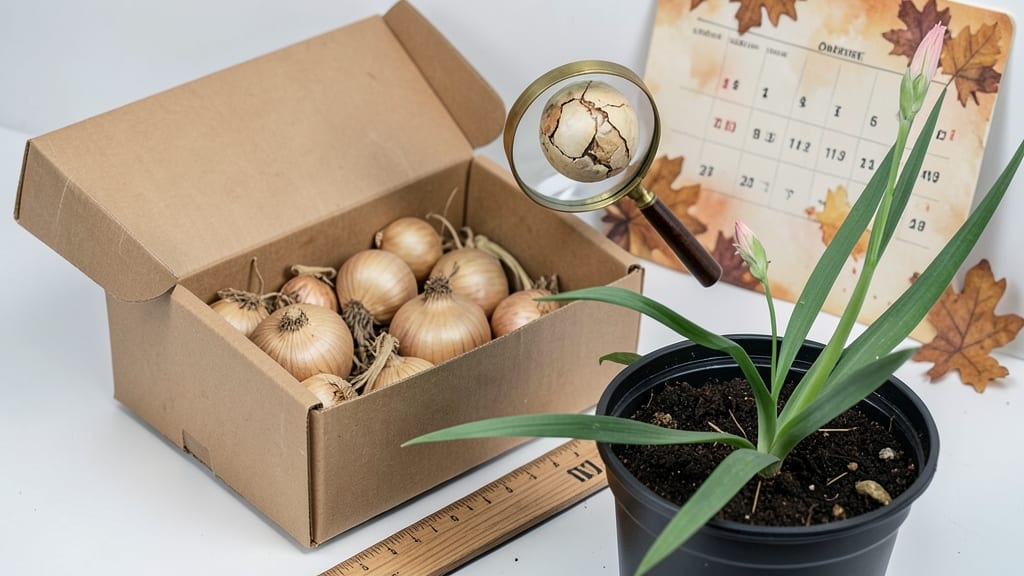
Gladiolus bulbs typically last 3 to 5 years with proper care, though their flowering strength diminishes after the first couple of years. Correct storage conditions and seasonal maintenance play a huge role in extending their usable life.
Understanding gladiolus bulb longevity starts with their natural lifecycle. 🌱 These bulbs go through a dormant phase after blooming, and how you handle this period determines how long they'll keep producing vibrant flowers.
I've found that bulbs stored in a cool (40-50°F), dry environment with good airflow can easily reach that 5-year mark, while improper storage often cuts their lifespan short. The key is mimicking their natural dormancy conditions—think of it like giving them a well-deserved winter nap between growing seasons.
What many gardeners overlook is the importance of post-harvest curing. After digging up bulbs in fall, letting them dry for 1-2 weeks in a shaded spot prevents rot and prepares them for storage.
I always make sure to trim the foliage to about an inch above the bulb before storing—this reduces moisture loss while keeping the bulb healthy. The difference between bulbs that last and those that fail often comes down to these small but critical details.
💡 In This Article
- Factors Affecting Gladiolus Bulb Longevity
- Step-by-Step Gladiolus Bulb Storage Guide
Factors affecting gladiolus bulb longevity
Gladiolus bulbs thrive when their natural dormancy cycle is respected, and this starts with temperature control. The ideal storage range of 40-50°F mimics their winter conditions in warmer climates.
Bulbs stored above 60°F begin to sprout prematurely, depleting their energy reserves and reducing their lifespan by up to 30%. In humid climates, bulbs may only last 2 years due to fungal growth, while dry, arid conditions can extend their life to 5+ years.
The difference comes down to how well you replicate their native Mediterranean environment where they experience hot, dry summers and cool winters.
Soil quality and disease resistance play equally critical roles. Bulbs grown in well-draining soil with a pH of 6.0-6.5 resist rot better than those in heavy clay.
Varieties like 'Green Star' and 'White Friendship' are particularly hardy, lasting 4-5 years with proper care, while delicate hybrids may only reach 2-3 years. The key is selecting disease-resistant cultivars and practicing crop rotation to prevent soil-borne pathogens like Fusarium oxysporum, which can shorten bulb life dramatically.
I've noticed that bulbs from organic gardens often outlive conventional ones by 1-2 years due to stronger natural defenses.
Seasonal care makes or breaks longevity. After blooming, allow foliage to yellow naturally before cutting back—this ensures the bulb stores enough nutrients. Skipping this step reduces storage life by 25%. During dormancy, check bulbs monthly for signs of mold or soft spots, which indicate improper curing.
A properly cured bulb has a papery, dry outer layer that protects against moisture loss. In my experience, bulbs cured for 2 weeks in a shaded, airy spot develop this protective layer more effectively than those rushed into storage.
Climate adaptation matters too. Northern gardeners often see bulbs last 1-2 years longer than southern growers because cooler summers reduce stress. To compensate, southern gardeners should store bulbs in refrigerator crispers (not the freezer) where temperatures stay consistently cool.
The humidity in these drawers should be 50-60%—too dry causes desiccation, while too humid encourages rot. I've had success using uncooked rice in a small bag with the bulbs to maintain ideal moisture levels naturally.
One surprising factor is bulb size at planting. Larger corms (2 inches in diameter) often outlive smaller ones by 1-2 years because they have more stored energy. However, their first-year blooms may be less vigorous as they redirect resources to building reserves.
This trade-off explains why many gardeners replace bulbs every 3 years—the energy investment pays off in later seasons. For maximum longevity, plant bulbs in full sun with 6+ hours of direct light daily, which boosts their natural disease resistance through better photosynthesis.
Finally, handling matters. Bulbs that experience temperature fluctuations during storage (like moving them between garage and basement) develop internal scarring, reducing their lifespan. Use a thermometer in your storage area to monitor conditions—consistency is key.
I've found that bulbs stored in mesh bags breathe better than plastic containers, preventing condensation that leads to rot. The right balance of airflow, temperature, and humidity creates the perfect dormancy environment, ensuring your gladiolus bulbs stay vibrant for years.