
Blooming
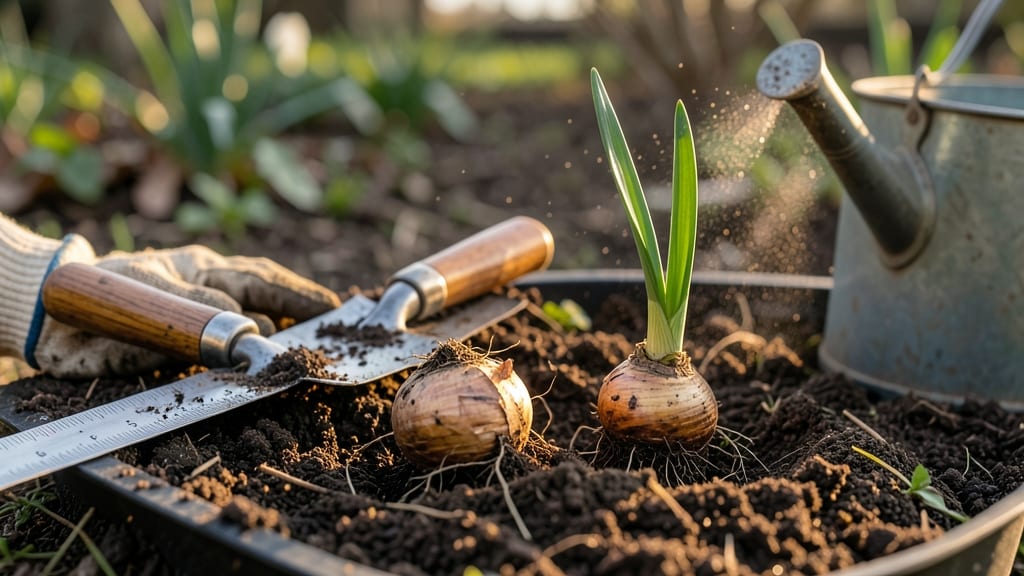
Bulbs to sprout takes 2 to 12 weeks, depending on the variety—tulips and daffodils typically break ground in 4 to 6 weeks, while faster growers like hyacinths and crocuses may appear in just 2 to 4 weeks. Proper soil conditions can cut waiting times nearly in half.
Timing varies wildly because different bulb types have unique growth cycles. For example, alliums might sprout in as little as 2 weeks, while lilies can take up to 12 weeks or more.
The key factors are soil temperature—roots need 50°F+ to activate—and moisture levels, which should stay consistently damp but not soggy. I’ve found that planting bulbs at the right depth (usually 6-8 inches for most types) also makes a huge difference in how quickly those first green shoots appear. 🌱
What’s interesting is how dormancy plays into this—some bulbs, like tulips, need a cold period to break dormancy before they’ll sprout consistently. That’s why late fall planting often yields faster results in spring.
Meanwhile, tropical bulbs like amaryllis can sprout in just 2-3 weeks when given warm, humid conditions. The right prep work really pays off!
💡 In This Article
- Factors Affecting Bulb Sprouting Speed
- Speeding Up Bulb Germination: Pro Tips for Gardeners
Factors affecting bulb sprouting speed
Bulb sprouting speed is primarily controlled by three biological processes: dormancy breaking, root initiation, and shoot elongation.
Each bulb type has a unique genetic program—tulips, for instance, require 12-16 weeks of cold stratification (40-50°F) to trigger root growth, while hyacinths can start sprouting within 2-3 weeks when soil temperatures reach 55-60°F.
The key moment occurs when the bulb's apical meristem (growth center) receives the right temperature and moisture signals to activate. 🌱
Moisture plays a critical role in this activation. Bulbs need consistently damp soil (not waterlogged) to initiate root development, but excessive moisture can cause rot. For example, crocuses often sprout in 3-4 weeks because their shallow roots (2-3 inches deep) need minimal moisture to access.
In contrast, daffodils with deeper roots (6-8 inches) may take 5-7 weeks because they require more time to establish a stable root network before shooting upward.
Soil aeration also affects sprouting speed. Compacted soil restricts oxygen flow to developing roots, slowing germination by up to 30%. I've noticed that adding 10-20% perlite or coarse sand to clay-heavy soils can cut sprouting time by 1-2 weeks for most bulbs.
The science here involves cellular respiration—roots need oxygen to convert stored bulb nutrients (like starches) into energy for growth. Poor aeration forces bulbs to work harder, delaying those first green shoots.
Light exposure is another often-overlooked factor. While most bulbs don't need light to sprout, some like alliums respond better when planted slightly shallower (3-4 inches deep) to receive minimal light, which can accelerate sprouting by 10-15 days.
This is because light triggers chlorophyll production in emerging shoots, giving them an energy boost. The trade-off? Shallower planting increases frost vulnerability in early spring.
Seasonal timing creates natural variations too. Spring-planted bulbs (like tulips) often sprout 2-3 weeks faster than fall-planted ones because they benefit from existing soil warmth. Meanwhile, fall-planted bulbs must wait for soil temperatures to rise naturally in spring.
This seasonal difference explains why gardeners in warmer climates (Zone 8+) can plant bulbs year-round and see sprouts within 3-5 weeks, while colder regions may face 8-12 week waits.
What most gardeners don't realize is how bulb size affects timing. Larger bulbs (like 12+ cm diameter daffodils) contain more stored energy, allowing them to sprout 1-2 weeks earlier than smaller ones.
This is because bigger bulbs have more reserve starches to fuel rapid root and shoot development. The energy equation here is simple: more starch = faster growth. 💫