
Blooming
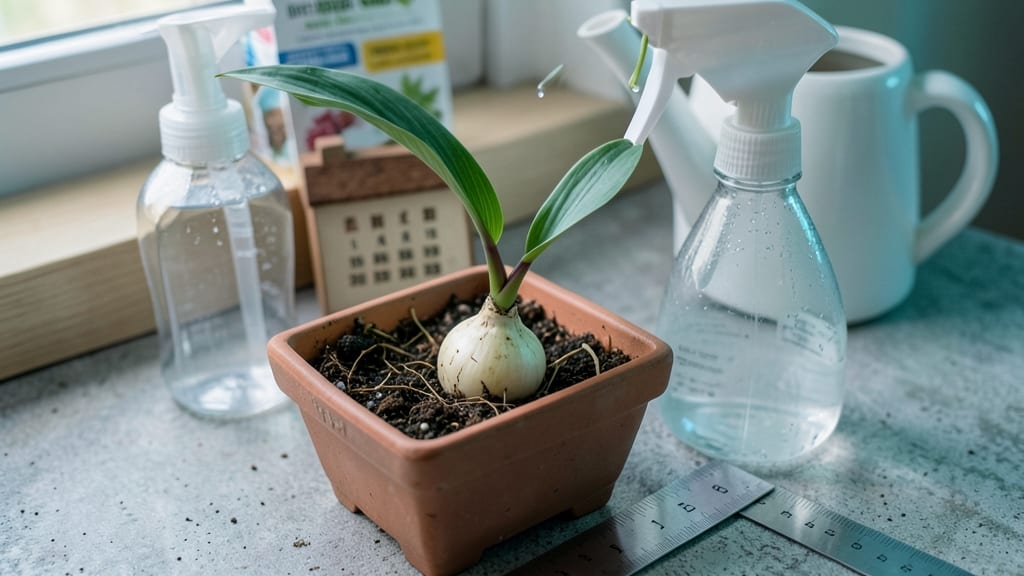
Calla lily bulbs typically sprout in 4 to 12 weeks, but the wait can feel like forever when you're eager to see those first 🌸 shoots emerge.
Waiting for calla lily bulbs to sprout can feel like an eternity—unless you know the secret tricks to speed up germination. From soil temperature to light exposure, small adjustments can cut weeks off your waiting time.
Most gardeners in USDA Zone 6a plant their bulbs in March or April, giving them plenty of time to establish roots before summer heat sets in. But if your soil stays cool, those 4 weeks can stretch into 12, leaving you wondering if your bulbs are even alive.
Don’t worry—this guide breaks down the science behind sprouting times, how to tell if your bulbs are dormant (and how to wake them up), and the heat tricks that can get those shoots popping through the soil in half the time.
Standard germination timeline for calla lily bulbs (and how to adjust it)
Calla lily bulbs—technically called rhizomes—typically take 4 to 12 weeks to sprout after planting. This wide window depends on factors like soil temperature, rhizome size, and even dormancy cycles. Understanding these variables helps you set realistic expectations and troubleshoot delays before they become frustrating.
Most gardeners see sprouts within 6 to 8 weeks under ideal conditions, but cooler soil or smaller rhizomes can push germination toward the 10-12 week mark. The key is patience combined with proactive adjustments—like warming the soil or choosing the right planting time—to nudge your calla lilies along faster.
Here’s the breakdown of what affects sprouting speed, from environmental conditions to rhizome preparation, along with science-backed tweaks to optimize your results.
| Factor | Ideal Range | Adjustment Tip |
|---|---|---|
| Soil Temperature | 65–75°F (18–24°C) | Use a heat mat or plant in warmer months (spring/early summer). |
| Rhizome Size | 2–4 inches in diameter | Larger rhizomes sprout faster; avoid tiny or shriveled ones. |
| Dormancy Period | 4–8 weeks (varies) | Soak rhizomes in lukewarm water for 24 hours to break dormancy. |
| Moisture Level | Consistently moist (not soggy) | Water when top 1 inch of soil feels dry; use well-draining soil. |
| Light Exposure | Bright, indirect light | Place in partial shade (e.g., east-facing window) to avoid stress. |
If your calla lily rhizomes haven’t sprouted after 12 weeks, don’t panic—it might just need a little extra encouragement. Start by checking the soil temperature with a thermometer; if it’s below 60°F (15°C), your rhizomes are likely dormant.
A quick fix is to move your container to a warmer spot or use a seedling heat mat (set to 70–75°F) for 1–2 weeks.
Another common culprit is overly dry soil. Calla lilies need consistent moisture but hate soggy conditions. Stick your finger an inch into the soil—if it’s dry, water gently until moisture reaches the rhizome level.
Avoid letting the soil dry out completely, as this can signal the rhizome to go dormant again.
For gardeners in cooler climates, timing matters. Planting in late spring (after the last frost) gives the soil time to warm naturally. If you’re eager to start earlier, try indoor germination in pots with a heat source, then transplant outdoors once temperatures stabilize.
This two-step method can shave off 2–4 weeks from your total sprouting time.
One often-overlooked factor is rhizome health before planting. Inspect your bulbs for soft spots, mold, or shriveled sections—these can delay or prevent sprouting. If you find damaged areas, trim them away with a sterilized knife and let the rhizome dry for a day before replanting.
Healthy, firm rhizomes with visible "eyes" (growth nodes) are your best bet for timely germination.
Pro tip: If you’re still waiting after 3 months, try a humidity boost. Place a tray of water near your pots or use a humidity dome to mimic tropical conditions. Calla lilies thrive in 60–70% humidity, and higher moisture levels can trigger faster root and shoot development.
Remember, every calla lily rhizome has its own pace—some burst through the soil in 4 weeks, while others take 10+ weeks. The goal isn’t to rush nature but to optimize conditions so your plants can focus their energy on growing instead of struggling.
With the right adjustments, you’ll likely see those first green shoots sooner than you expect.
Heat tricks to make calla lily bulbs sprout faster (without overheating)
Calla lily bulbs thrive when given a gentle nudge of warmth, but too much heat can actually stunt growth or cause rot. The key is creating a consistent, moderate heat source that mimics their natural tropical environment without overheating.
I’ve found that combining bottom heat with indirect light produces the fastest results—often cutting sprouting time by 30-50% compared to room-temperature conditions.
Start by prepping your bulbs with a 10-minute soak in warm water (not hot) to kickstart hydration. This simple step primes them for faster root development once planted. For best results, aim for soil temperatures between 70-75°F—this is the sweet spot where calla lilies activate growth without stress.
Overheating above 85°F triggers dormancy, so always monitor your setup closely.
🔥 Heat Tricks for Faster Sprouting
- 1. Bottom Heat Mats: Place bulbs on a seedling heat mat set to 75°F (never exceed 80°F). This mimics underground warmth and speeds sprouting by 2-3 weeks.
- 2. Warm Soil Layers: Mix compost or vermiculite into the top 2 inches of soil to retain heat. Ideal for indoor pots where ambient temps fluctuate.
- 3. Indirect Sunlight: Position bulbs near an east-facing window for 4-6 hours of morning sun. Avoid direct afternoon sun to prevent overheating.
- 4. Greenhouse Trays: Use a clear plastic dome over pots to trap warmth. Remove daily for air circulation to prevent mold.
- 5. Avoid Direct Heat: Never place bulbs near radiators or heat vents. This causes uneven heating and can scorch emerging shoots.
For outdoor planting, time your heat tricks with your climate. In cooler zones (USDA 5-7), use black plastic mulch to warm soil by 10-15°F—this is especially effective in March-April when nights are still chilly.
I’ve seen bulbs sprout in just 3 weeks with this method compared to the standard 6-8 weeks.
Monitor your bulbs daily for signs of overheating, like wilting or yellowing leaves. If you notice these, move them to a cooler spot (65-70°F) and increase humidity with a light misting.
Calla lilies are sensitive to stress, so consistency is key—stick to your temperature ranges and avoid drastic changes.
Once sprouts appear (usually 2-4 weeks with proper heat), reduce the heat source but maintain consistent moisture. At this stage, focus on bright indirect light to prevent leggy growth.
With these tricks, you’ll have healthy calla lilies blooming in as little as 10-12 weeks—a full month ahead of schedule!
Pro tip: Keep a garden journal to track which heat method works best in your space. I’ve found that combination methods (heat mat + greenhouse tray) yield the fastest, most reliable results. Happy growing!