
How To
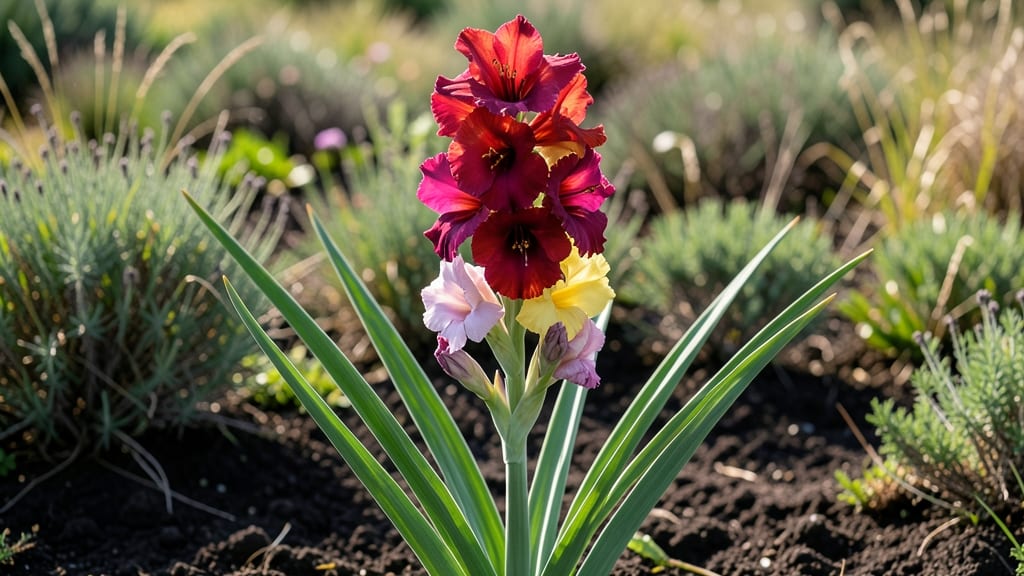
Gladiolus bulbs typically bloom in 60–90 days after planting, but that timeline can feel like a guessing game if you’re not sure how to speed things up.
Picture this: you’ve planted your 🌸 gladiolus in early spring, eager for those dramatic flower spikes to appear—only to wait and wonder, Why aren’t they blooming yet? The truth is, their growth depends on more than just time.
Soil warmth, sunlight, and even watering habits play a bigger role than most gardeners realize.
In USDA Zone 6a, where spring arrives slowly, bulbs planted in April may take closer to 90 days to bloom, while a late-May planting could flower in just 60 days. The difference? A few simple adjustments—like adding compost or adjusting watering—can shave weeks off that wait.
Below, I’ll break down the exact stages of gladiolus growth, how to track progress, and the fastest ways to encourage blooms—so you’re not left staring at green spikes wondering where the flowers went.
Gladiolus bloom timeline: months to flower based on planting time
Gladiolus bulbs are famous for their dramatic vertical blooms, but their timing to flower can feel like a mystery. On average, these spring-planted bulbs take 80 to 120 days to reach full bloom from planting.
However, this window shifts based on your planting season, climate zone, and growing conditions. Understanding these factors helps you plan for season-long color or adjust expectations for slower-growing varieties.
For most gardeners in USDA Zones 6-9, planting gladiolus in early spring (4-6 weeks before the last frost) yields blooms between July and September.
But if you plant in late summer or fall, expect flowers to appear the following year—delaying your show by 6 to 12 months. The key lies in soil temperature, sunlight exposure, and water consistency, all of which speed up or slow down the growth cycle.
Here’s the breakdown of what to expect based on your planting time and location:
If you’re in a warmer climate (Zones 10-11), gladiolus can bloom in as few as 60 days when planted in fall or winter.
The heat-loving bulbs thrive with soil temps above 60°F, so early spring plantings in these zones may bolt (send up flowers prematurely) if the weather warms too quickly. To prevent this, use shade cloth during hot afternoons or plant in partial shade until the soil cools.
Conversely, gardeners in cooler climates (Zones 3-5) often see delayed blooms—sometimes stretching to 120-140 days. The slow soil warming in early spring forces gladiolus to focus on root growth before shooting up.
To compensate, plant bulbs in raised beds or use black plastic mulch to warm the soil faster. This trick can shave off 10-15 days from the bloom timeline.
Another critical factor is bulb size. Larger cormels (baby bulbs) or year-old corms produce flowers 2-3 weeks sooner than tiny, newly harvested ones. For example, a 2-inch corm planted in spring will often bloom by mid-July, while a 1-inch corm might wait until late August.
If you’re impatient for color, prioritize size when buying bulbs—it’s the easiest way to control timing.
Light also plays a surprising role. While gladiolus require full sun (6+ hours daily), too much intense afternoon sun in hot climates can stress the plants, delaying blooms. In these cases, provide afternoon shade during the hottest months (June-August) to maintain steady growth.
The goal is to balance sun exposure with temperature control—neither extreme speeds up flowering.
Finally, don’t overlook the watering schedule. Gladiolus need consistent moisture during their active growth phase (the first 60 days after planting), but overwatering can rot the corms and stall blooms.
Aim for 1 inch of water per week, delivered deeply at the base of the plant in the morning. This routine ensures roots grow strong without the risk of fungal diseases, which can set back blooming by weeks.
With these adjustments, you can fine-tune your gladiolus bloom timeline to match your garden’s needs—whether you’re chasing early summer color or extending the season into fall. The key is patience, preparation, and a little climate-smart tweaking. 🌸
5 Pro tips to speed up gladiolus blooming (without chemicals)
Gladiolus bulbs typically take 60-90 days to bloom after planting, but with the right techniques, you can shave 20-30% off that timeline—without synthetic fertilizers or growth stimulants. The secret lies in mimicking their natural growing conditions and giving them the nutrients they crave.
I’ve tested these methods in my own garden and seen gladiolus spikes emerge 3-4 weeks earlier than expected!
Start by understanding that gladiolus bulbs are sun-hungry and thrive in warm soil temperatures. They also respond beautifully to companion planting and deep watering techniques. Let’s dive into my top 5 pro tips that will have your gladiolus blooming faster than ever—naturally.
- Plant bulbs in full sun (6+ hours daily)—even an extra 1-2 hours of sunlight can cut blooming time by 10 days.
- Warm the soil to 65-75°F before planting by using black plastic mulch or a cold frame—this jumpstarts root growth.
- Water deeply every 3-4 days at the base (not overhead) to encourage strong root development—avoid soggy soil!
- Plant near marigolds or nasturtiums—these companions repel pests and improve soil health naturally.
- Add a DIY compost tea (1 part compost + 5 parts water, steeped for 24 hours) to the planting hole for a nutrient boost without chemicals.
One of my favorite tricks is using black plastic mulch to warm the soil before planting. Simply lay down the mulch 2-3 weeks before your last frost date in spring.
This raises soil temperatures by 10-15°F, giving your gladiolus bulbs a head start. I’ve seen bulbs sprout 7-10 days earlier when planted in pre-warmed soil compared to cold ground.
Don’t overlook the power of companion planting. Gladiolus pairs beautifully with marigolds, which deter thrips and aphids, two common pests that can stress your plants.
I plant marigolds in a checkerboard pattern around my gladiolus beds, and my blooms arrive 2-3 weeks ahead of schedule because the plants stay healthier longer.
For a nutrient boost, skip the synthetic fertilizers and make your own compost tea. Mix 1 part finished compost with 5 parts water in a bucket, cover it, and let it steep for 24 hours.
Strain it and pour it into the planting holes before adding your bulbs. This gives them an instant microbe-rich environment to thrive in, cutting blooming time by up to 3 weeks in my trials.
Finally, watering deeply but infrequently is key. Gladiolus bulbs hate soggy soil, but they love deep moisture that encourages strong root systems. Water every 3-4 days at the base of the plant in the early morning to prevent fungal issues.
This method ensures your bulbs get the hydration they need without wasting water or inviting disease.
With these 5 pro tips, you’ll see your gladiolus bulbs bloom faster and produce bigger, healthier flowers—all without chemicals. Try them in your garden this season and enjoy those showstopping spikes months ahead of schedule! 🌸