
Blooming
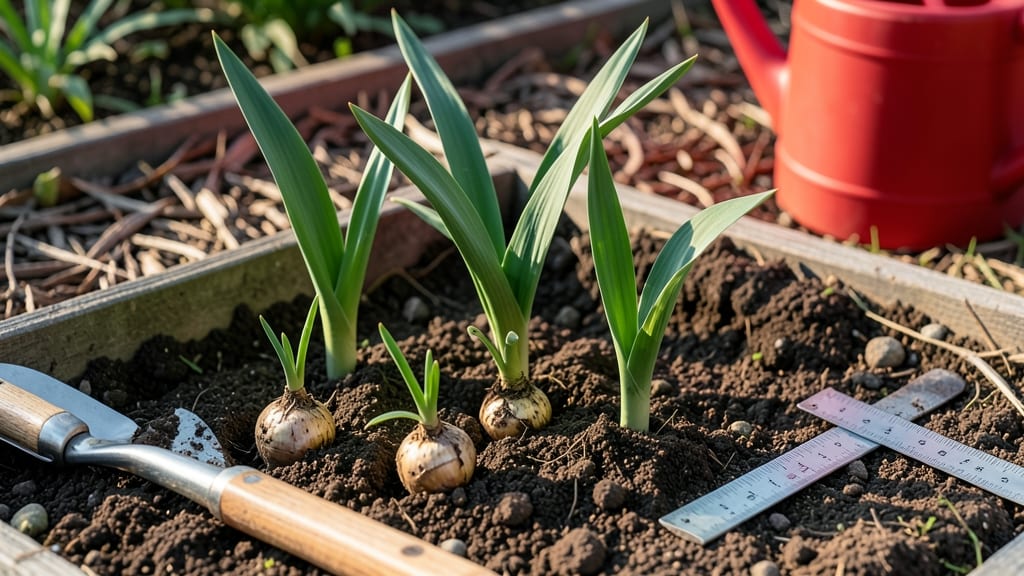
Gladiolus bulbs typically sprout in 7 to 21 days after planting, depending on soil temperature (ideal: 60–70°F), moisture levels, and bulb vitality. Warmer conditions accelerate germination, while cooler soil delays emergence. Planting depth and sunlight exposure also influence timing.
Knowing when to expect those first green shoots helps you plan ahead—whether you're aiming for summer blooms or fall color. The 7- to 21-day window reflects how quickly these bulbs respond to warmth, so planting in spring (after frost) gives you the best shot at summer flowers.
I've found that bulbs planted in warmer soil (70°F+) can sprout in as little as 5 days, while cooler conditions might push that out to 3 weeks. Proper moisture is key too: keep the soil damp but not soggy during this critical phase.
Once you see the first 1- to 2-inch shoots, that's your signal to stop watering so heavily—you want to encourage root development, not rot. 🌱 The timing varies because gladiolus bulbs store energy differently based on their size and age, so don't rush if your garden takes longer.
Patience pays off when those tall spikes finally emerge!
💡 In This Article
- Gladiolus Germination Timeline by Temperature and Season
- Signs of Healthy Gladiolus Sprouting and Early Care Tips
Gladiolus germination timeline by temperature and season
Gladiolus bulbs rely on specific temperature triggers to break dormancy. The ideal soil temperature range for germination is 60–70°F, where bulbs typically sprout within 7–14 days.
At 50°F, germination slows dramatically, stretching the timeline to 21+ days—this is why spring planting (after last frost) works best in most climates. The bulbs contain stored energy in their corms, but cooler temperatures force them to conserve resources, delaying shoot emergence.
Seasonal timing plays a crucial role too. In spring, bulbs planted in 60°F+ soil may sprout in as little as 5–7 days if conditions are perfect, while fall-planted bulbs often wait until spring warmth to activate.
The key mechanism is the bulb's internal thermosensitivity—gladiolus corms produce hormones like gibberellins in response to warmth, which stimulate cell division and shoot growth. 🌡️ At 75°F+, germination can accelerate to 3–5 days, but the resulting shoots may be more vulnerable to heat stress.
Planting depth also affects timing. Bulbs should be placed 6 inches deep in well-draining soil—too shallow (3–4 inches) exposes them to temperature fluctuations, while too deep (8+ inches) delays sprouting by 5–10 days as the bulb struggles to reach stable conditions.
The optimal depth ensures consistent moisture and temperature at the bulb's base, creating ideal conditions for root initiation before shoots appear.
Light exposure matters less during germination than you might think. Gladiolus bulbs can sprout in partial shade, but full sun (6+ hours/day) after emergence is critical for strong stalk development.
The first 1–2 inches of growth happen underground as the bulb establishes roots, which is why you shouldn't disturb the soil during this phase.
This root-shoot balance explains why some gardeners see sprouts in 10 days while others wait 3 weeks—it's not just temperature but the interplay of depth, moisture, and bulb vitality.
Consider this real-world example: In Zone 7 climates, spring-planted bulbs in 65°F soil often sprout in 10–14 days, while fall-planted bulbs may take 18–21 days the following spring due to winter dormancy.
The difference comes from the bulb's internal clock—fall-planted corms enter a dormancy phase that requires additional warmth to break before active growth begins. This seasonal variation is why timing your planting window matters as much as the soil temperature at planting.