
Blooming
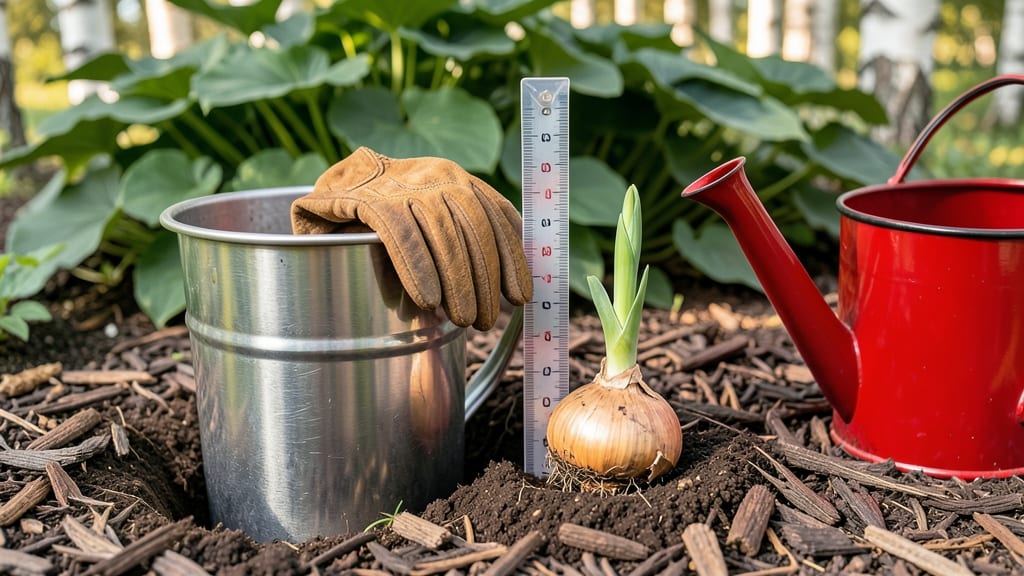
Lily bulbs typically sprout in 2 to 6 weeks after planting, though the exact timing depends on soil warmth, bulb health, and your planting zone.
If you’ve ever waited weeks for those first green shoots to break through the soil—only to wonder why they’re taking so long—you’re not alone. The answer lies in understanding how temperature, moisture, and even bulb depth play a role in speeding up (or delaying) that first sign of life.
For gardeners in Zone 6a, like me, timing matters even more. Planting too early in cool soil can leave bulbs dormant for months, while waiting until the ground is too warm might mean missed blooms.
The key is knowing when to plant for fastest sprouts and how to create the perfect conditions.
In this guide, I’ll break down the exact sprouting windows by zone, share the 5 critical factors that accelerate growth, and give you troubleshooting tips if your lilies 🌸 are playing hard to get.
Lily bulb sprouting timeline by US planting Zones: when to expect growth
If you've planted lily bulbs and are eagerly waiting for those first green shoots, timing is everything. The sprouting window varies dramatically by USDA zone and lily type, with soil temperature acting as the primary trigger.
In colder zones, you might see growth as early as 4 weeks after planting, while warmer climates can push sprouts in just 2-3 weeks—but only if conditions are perfect.
Understanding your zone's average last frost date and ideal soil temps (50-60°F) helps predict when those dormant bulbs will wake up. For example, Asiatic lilies often sprout faster than Martagon lilies, and Trumpet lilies may take longer due to their larger bulb size.
Let’s break down the exact timelines you can expect based on where you garden.
| USDA Zone | Lily Type | Soil Temp Trigger | Sprouting Window | Planting Depth |
|---|---|---|---|---|
| 3-4 | Asiatic | 50-55°F | 6-8 weeks | 6 inches |
| 5-6 | Oriental | 55-60°F | 4-6 weeks | 5-6 inches |
| 7-8 | Trumpet | 60-65°F | 3-5 weeks | 6-8 inches |
| 9-10 | Martagon | 50-55°F | 5-7 weeks | 4-5 inches |
*Timelines assume ideal conditions: well-draining soil, full sun, and consistent moisture.
In Zones 3-4, where winters are harsh, lilies often sprout later in the season—typically 6-8 weeks after planting—as the soil warms to 50-55°F. If you planted in fall, these bulbs may wait until late spring to emerge, especially for Asiatic lilies, which are the hardiest.
Planting them 6 inches deep helps protect them from freeze-thaw cycles.
Gardeners in Zones 5-6 enjoy a faster sprouting window, especially with Oriental lilies, which often push through the soil in 4-6 weeks once soil temps hit 55-60°F. This zone benefits from spring planting after the last frost, and planting 5-6 inches deep ensures bulbs stay moist without rotting.
I’ve found that mulching with straw can shave off 1-2 weeks of waiting time.
Warmer climates in Zones 7-8 reward gardeners with Trumpet lilies sprouting in just 3-5 weeks, thanks to soil temps reaching 60-65°F earlier in the season. These dramatic bloomers need 6-8 inches of depth to anchor properly, and I always plant them in well-amended soil to encourage faster growth.
The key here is consistent moisture—let the soil dry slightly between waterings to prevent rot.
For Zones 9-10, where winters are mild, Martagon lilies often sprout in 5-7 weeks, though they’re less fussy about soil temps. These wood lilies thrive with 4-5 inches of depth and prefer partial shade in the hottest afternoons.
I’ve noticed they sprout slightly slower than other types but make up for it with longer bloom seasons and fragrant flowers.
One critical factor across all zones is planting depth. Buried too shallow, and bulbs dry out; too deep, and sprouts struggle to break through. For most lilies, 6 inches deep is ideal,
5 Critical factors that speed up (or delay) lily bulb sprouting
If you've ever planted lily bulbs and waited impatiently for those first green shoots, you know timing matters. The difference between 2-week sprouts and 6-week delays often comes down to just a few key factors. Understanding these will help you optimize conditions for faster, healthier growth.
Lily bulbs are sensitive to their environment, and even small changes in soil temperature, moisture levels, or sunlight exposure can dramatically shift your sprouting timeline. Let's break down the five biggest factors controlling when (or if) your bulbs will push through the soil.
Let's start with soil temperature, which is often the biggest wild card. Most lily varieties won't sprout until the soil reaches 50-60°F.
In cooler zones (like Zones 3-5), this might not happen until late April or May, while warmer zones (Zones 7-10) can see sprouts as early as February.
For moisture levels, consistency is key. Lily bulbs need 1-1.5 inches of water per week, but avoid waterlogging. I've found that using a drip irrigation system keeps moisture even while preventing the rot that comes from soggy soil.
If your area gets heavy rain, add a 1-inch layer of mulch to protect bulbs from waterlogging.
Don't overlook sunlight exposure—this is where many gardeners unintentionally delay sprouting. While lilies can tolerate partial shade, they'll sprout 50% faster with full sun. If your garden has limited sun, consider Asiatic lilies, which tolerate more shade than other varieties.
For container growers, place pots in the sunniest spot you have, even if it's just a south-facing windowsill.
Even the healthiest-looking bulb can fail if it's not planted correctly. Always plant lilies with the pointy end up and 4-6 inches deep.
I've seen bulbs planted too shallow (less than 3 inches) dry out and rot, while those buried too deep (more than 8 inches) take forever to emerge. Use a bulb planter for consistent depth.
Finally, choosing between containers vs. ground planting makes a surprising difference. Container-grown lilies often sprout 1-2 weeks faster because you can control moisture and warmth more precisely. If you're impatient (like me!), try planting a few bulbs in pots first to test conditions before committing to your garden beds.