
Plants
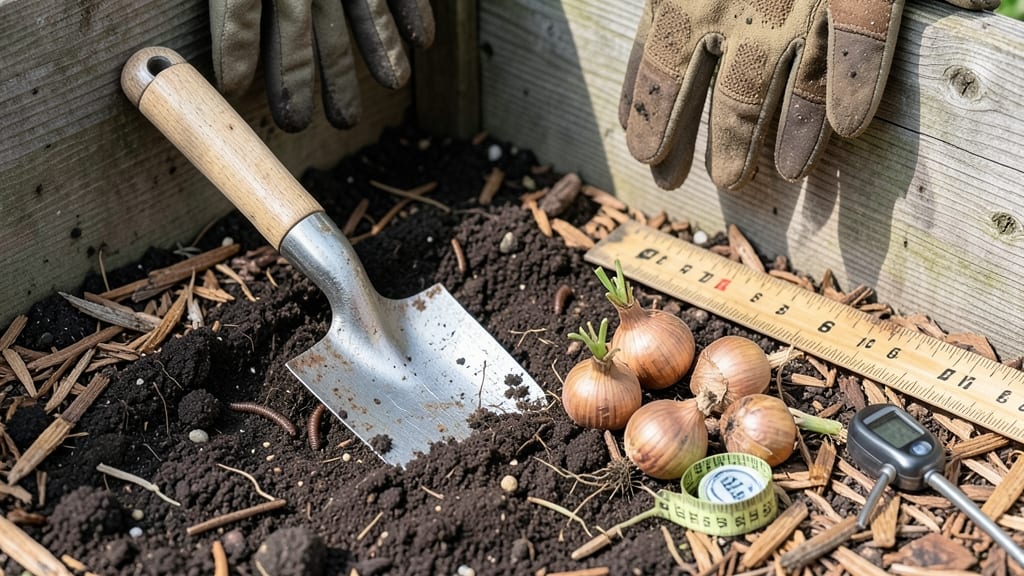
Planting tulip bulbs in North Texas during October through November ensures they get the 300–500 chill hours they need to bloom spectacularly next spring.
North Texas gardeners know timing is everything—especially when planting 🌷 bulbs that need cold exposure to bloom. Plant too early, and they’ll rot; too late, and you’ll miss the chill hours they crave.
In Zone 8a, where winters are mild but still cold enough, the ideal window is just four to six weeks before the ground freezes—usually late October to early November. Urban areas like Dallas may need a slightly earlier start than rural spots in the Panhandle.
Below, I break down the exact dates, soil prep tips, and how to adjust for your specific microclimate—so your tulips burst into color right on schedule in April or May.
North Texas chill-hour requirements for tulip bulbs: what you need to know
Tulips thrive on cold exposure, measured in chill hours—the total time temperatures stay below 45°F. In North Texas, most tulip varieties need 300–500 chill hours to bloom reliably. Without enough cold, they’ll either fail to flower or produce weak stems.
The challenge? Our region’s variable climate—Dallas gets fewer chill hours than the Panhandle, while Fort Worth falls somewhere in between.
Understanding your local chill-hour zone is critical. For example, Darwin Hybrid tulips (like 'Apeldoorn') need 400–500 hours, while Species tulips (such as Tulipa tarda) often get by with 300–400 hours.
Planting at the wrong time—too early or too late—can mean the difference between a showstopping spring display and a disappointing flop.
North Texas spans USDA Zones 7b–8b, but chill hours don’t follow zone lines perfectly. The Panhandle (Amarillo, Lubbock) typically accumulates 500+ chill hours, while Dallas-Fort Worth (Zone 8a) often hits only 350–450 hours.
This means late-blooming varieties (like Parrot tulips) may struggle in urban areas unless you plant them earlier or choose low-chill cultivars.
Here’s the key: Plant tulip bulbs 4–6 weeks before the ground freezes—usually mid-October to early November in most of North Texas. This timing ensures bulbs establish roots before winter but still get enough cold to trigger flowering.
In the Panhandle, you might push planting into late November, while in East Texas (Zone 8a), aim for early October to avoid summer heat stress.
| Tulip Type | Chill Hours Needed | Best for North Texas Region | Planting Window |
|---|---|---|---|
| Darwin Hybrids | 400–500 | Panhandle, Hill Country | Mid-October–Early November |
| Parrot Tulips | 450–500 | Panhandle only (risky in DFW) | Late September–October |
| Species Tulips | 300–400 | All regions (DFW, East TX) | Early October–Mid-November |
| Fransen Tulips | 350–450 | DFW, North Texas | Mid-October–Early November |
| Double Late Tulips | 500+ | Panhandle only | September–Early October |
*Chill hours vary yearly; use a local weather station to track progress.
If you’re in Dallas or Fort Worth, prioritize low-chill varieties like Species tulips or Fransen tulips. These types often bloom even with 350–400 chill hours, making them ideal for our warmer microclimates.
For the Panhandle, you can push your luck with Parrot or Darwin Hybrids, but plant them early (by late September) to maximize cold exposure.
Pro tip: Use a chill-hour tracker (like the National Gardening Association’s tool) to monitor your local accumulation. Aim to plant when you’ve hit at least 50% of your tulips’ required chill hours.
For example, if a Darwin Hybrid needs 450 hours, wait until you’ve logged 200–250 hours before planting—this gives bulbs time to root before the deep freeze.
Don’t overlook soil temperature either. Tulip bulbs need the ground to be below 60°F (ideally 50–55°F) when planted. In East Texas
Step-by-step planting timeline for North Texas: when to dig and when to wait
North Texas gardeners face a unique challenge with tulip bulbs—they need chill hours to bloom, but our USDA Zone 8a/8b climate can be unpredictable. The ideal planting window is between mid-October and mid-November, but timing varies by region.
In the Blackland Prairies, cooler temps arrive earlier, while the High Plains may need to wait longer. Missing the window? Don’t panic—we’ll cover adjustments for late plantings too.
Before you dig, prep your soil for success. Tulips thrive in well-draining soil with a pH between 6.0 and 7.0. Amend heavy clay soil with compost or sand, and avoid fresh manure, which can burn bulbs.
Choose a spot with full sun (6+ hours daily), though they’ll tolerate light shade in hotter areas like Dallas. If your yard has poor drainage, raise beds or plant on a slope to prevent bulb rot.
After planting, mulch heavily with straw or shredded leaves to insulate bulbs and regulate soil temps. Avoid synthetic mulches, which can trap too much heat. In urban areas with heat islands (like downtown Dallas), plant bulbs in shadier spots or use light-colored mulch to reflect heat.
Water deeply once after planting, then let nature take over—tulips need minimal water once established.
What if you miss the window entirely? For late plantings, try forcing tulips indoors in containers. Plant bulbs in pots in December, keep them in a cool, dark place (like a garage), then move to light when shoots appear.
They’ll bloom 6-8 weeks early—perfect for Easter or Mother’s Day! Just remember: outdoor bulbs planted late may need extra chill hours next winter to bloom well.
Finally, don’t disturb the soil in spring until tulips finish blooming. The leaves power next year’s flowers, so let them yellow naturally before cutting. In North Texas, tulips often rebloom in fall if given proper care—proof that patience (and perfect timing) pays off! 🌷