
Light Requirements
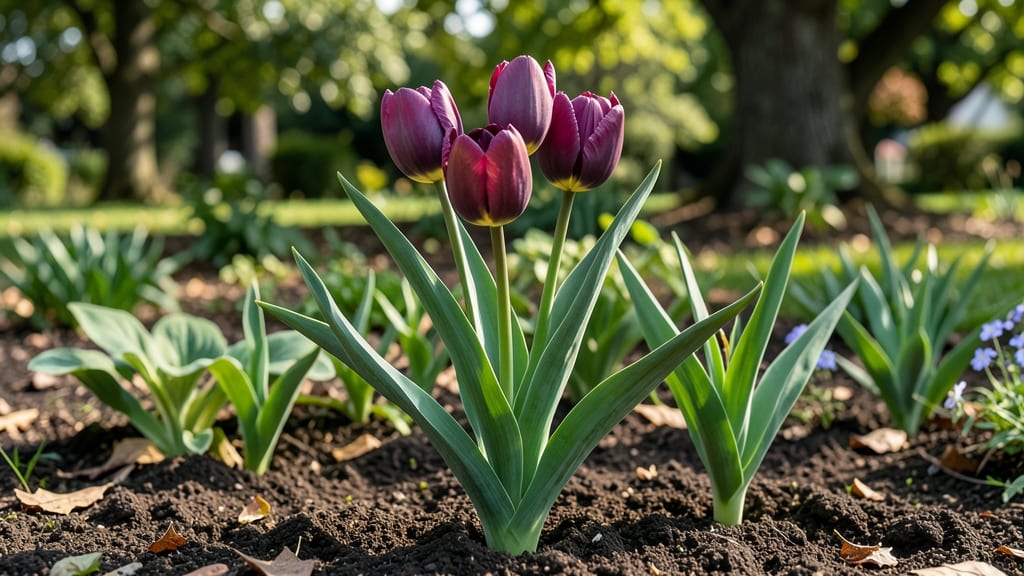
The cost of tulip bulbs ranges from $1 to $15 each, with everyday varieties like Darwin Hybrids priced between $3–$8, while unique or heirloom types can climb past $10–$20. Buying in bulk (5–25 bulbs) can slash prices by 30–50%, and shopping during fall or winter sales often yields the best deals. Online stores like Bare Root Bulbs or Bulbset typically undercut local garden centers.
Tulip bulb prices reflect both their bloom potential and rarity—larger, more vibrant flowers or unusual colors command higher costs. 🌷 For instance, a single Parrot tulip bulb (known for its striking, multicolored blooms) might cost $12–$18, while a basic red or yellow tulip could be as low as $1–$3.
Bulb size matters too: a 12/0 size (the largest) will produce bigger flowers but also costs more than a 10/11 size. Smart shoppers often start with mid-range varieties like Fosteriana tulips (early bloomers) for under $5 each before investing in pricier heirlooms.
Where you buy makes a big difference—online retailers frequently beat local prices, especially during seasonal promotions. 💰 For example, Bulbset offers subscription plans that deliver bulbs at discounted rates, while Etsy can be a goldmine for rare, vintage varieties.
Always check for bulb firmness and size consistency before purchasing, as cheaper bulbs sometimes arrive shrunken or diseased. Patience pays off too: waiting for late fall or early winter sales can cut costs by 20–30%** compared to springtime shopping.
💡 In This Article
- Tulip Bulb Pricing by Variety and Quality
- Best Places to Buy Tulip Bulbs Cheap in 2024
Tulip bulb pricing by variety and quality
Tulip bulb pricing hinges on three key factors: hybrid type, bloom characteristics, and bulb size. 🌷 The most affordable options—like species tulips (e.g., Tulipa tarda or Tulipa kaufmanniana)—typically cost $1–$4 each because they produce smaller, simpler flowers.
These varieties thrive in wild settings and are prized by gardeners who favor natural beauty over showy displays. Mid-range tulips, such as the popular Darwin Hybrid (e.g., 'Apeldoorn' or 'Queen of Night'), range from $3–$8 due to their large, vibrant blooms and disease resistance, making them garden staples.
At the premium end, Parrot tulips (e.g., 'Black Parrot' or 'White Parrot') can exceed $12–$20 because their multicolored, feather-like petals result from complex breeding and slower growth.
The size of the bulb directly correlates with price—larger bulbs (denoted by numbers like 12/0) cost more but yield bigger, more robust flowers. A 12/0 bulb (the largest size) might cost $5–$10, while a 10/11 bulb (smaller) could be $2–$5.
This size grading system, used globally, ensures consistency: a 12/0 bulb is at least 3 inches in diameter, while a 10/11 bulb is closer to 2 inches. Bulb size also affects bloom time—larger bulbs often flower earlier and more dramatically.
For example, a Fosteriana tulip (early bloomer) in 12/0 size could cost $6–$9, while the same variety in 10/11 size might be $3–$5.
Color rarity plays a huge role in pricing too. Classic red or yellow tulips are budget-friendly, but black tulips (like 'Queen of Night') or deep purple varieties (e.g., 'Purple Prince') can cost 20–50% more due to limited availability. The reason?
These colors result from specific genetic traits that are harder to stabilize in breeding. For instance, true black tulips are nearly impossible to cultivate—they’re actually a deep, velvety purple that absorbs light differently, creating the illusion of blackness.
This scarcity drives up prices, especially for heirloom or vintage varieties, which can fetch $15–$25 for a single bulb.
Quality also impacts price, and here’s how to spot it: healthy bulbs feel firm and heavy for their size, with a papery, dry outer skin.
If a bulb feels soft or shriveled, it’s likely diseased or dormant, which can lead to poor blooms. 🌿 Bulbs sold in bulk (e.g., 5–25 bulbs per pack) often include a mix of sizes, which can reduce per-unit costs by 30–50%.
For example, a pack of 25 Darwin Hybrid bulbs might cost $60–$80 (or $2.40–$3.20 each), while buying them individually could cost $4–$6 each. This bulk pricing strategy is especially useful for gardeners planning large beds or borders, where uniformity in bloom time and size is key.
One often-overlooked factor is the bloom season of the tulip. Early bloomers like Fosteriana tulips (January–March) or Kaufmanniana tulips (March–April) tend to be pricier because they’re the first to brighten gardens after winter. Late-season varieties (May–June), like Darwin Hybrids, are more affordable because they’re easier to grow and maintain.
The trade-off? Early bloomers often have shorter vase life and may not rebloom, whereas mid-to-late season tulips (like Parrot tulips) can sometimes produce second flowers with proper care.
This timing factor is why some gardeners mix varieties: they plant a few expensive early bloomers for winter interest and fill the rest with budget-friendly mid-season types.
For the budget-conscious gardener, starting with species tulips or mid-range Darwin Hybrids is a smart move. These varieties offer the best balance of affordability and impact, with prices under $5 each.
If you’re targeting a specific color or rare variety, set aside a higher budget and plan to buy from specialty online sellers who focus on unique genetics.
Always check reviews for bulb quality—some online retailers sell bulbs that arrive shrunken or diseased, which can lead to disappointing (or no) blooms. 💡 Pro tip: Order bulbs in late fall (October–November) for the best selection and lowest prices, as retailers stock up for spring planting and offer discounts to clear inventory.