
Size
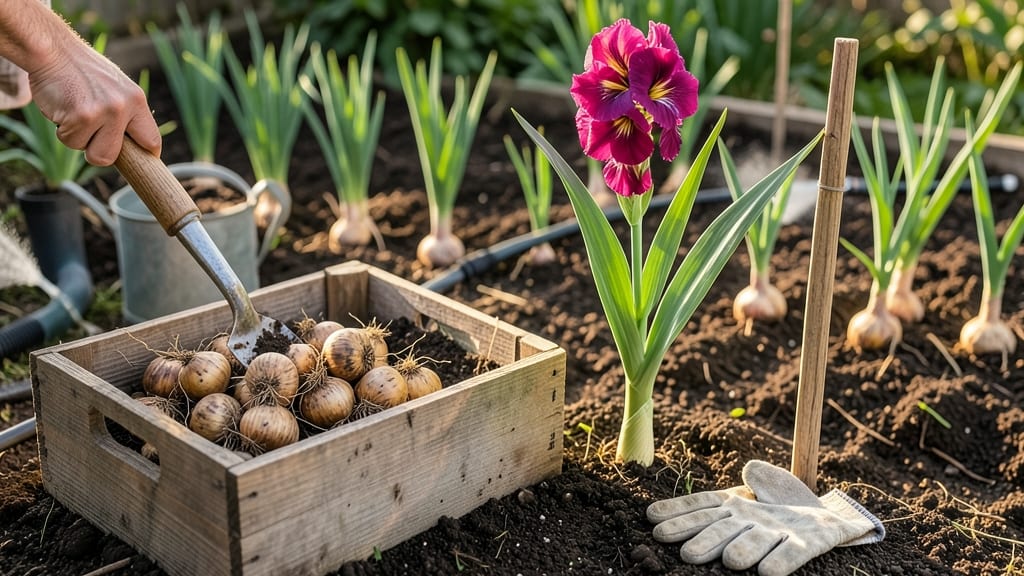
Growing gladioli bulbs delivers stunning height and color—tall spikes of bold blooms that transform any garden into a summer showstopper. 🌻 I’ve planted these dramatic flowers for years, and the secret to their success lies in timing, soil prep, and a little extra care during their rapid growth phase.
These bulbs thrive in full sun and well-draining soil, but they’re not fussy about other conditions. Plant them 6 inches deep in early spring (after the last frost) or late summer for fall blooms, spacing them 6 inches apart to give stems room to stand tall.
The key is patience—they’ll shoot up fast, but proper spacing prevents flopping stems later. By mid-summer, you’ll be cutting armfuls of vibrant blooms for arrangements, with stems that last a full week in a vase.
The foliage stays lush, and the bulbs come back year after year if you let them go dormant in winter. Perfect for cutting gardens, borders, or even container displays—just avoid heavy rain after planting to keep the soil from shifting. Let’s get those bulbs in the ground!
📚 In This Guide
- What you need
- Instructions
- Tips and common mistakes
- Wrapping up and next steps
What you need
- ● Gladioli bulbs (corms): 10–20 bulbs (choose varieties like 'Picasso,' 'Green Star,' or 'Black Star' for bold colors).
- ● Well-draining soil: Mix garden soil with compost (50/50 ratio) or use potting mix for containers.
- ● Sunlight: Full sun (6+ hours/day).
- ● Water: Hose or watering can with a gentle spray nozzle.
- ● Fertilizer: Balanced 10-10-10 or low-nitrogen bulb fertilizer (1 tbsp per 5 sq ft).
- ● Stakes or supports: 3–4 ft tall bamboo stakes or flower supports (1 per 5 bulbs).
- ● Garden trowel or shovel (for planting).
- ● Gloves (to protect hands from soil).
- ● Mulch: Straw or shredded leaves (1–2 inches) to retain moisture.
- ● Pest control: Neem oil or insecticidal soap (for thrips/aphids).
- ○ Container (optional): Large pot (12"+ deep) with drainage holes.
Step-by-step instructions for growing gladioli bulbs
Here's the simple method I use to grow gladioli that reach 4-5 feet tall with bold blooms every season.
🌱 Step 1: Choose and Prepare Your Gladioli Bulbs
Pick firm, plump corms—those are your gladioli's energy storage units—about 2-3 inches wide. I always look for ones with smooth, unblemished skins because rough spots signal rot. Soak them in lukewarm water for 12 hours before planting to wake them up. This softens the outer layer and jumpstarts growth.
While soaking, inspect each corm for soft spots or mold. Discard any that feel mushy or smell off—they'll rot underground and ruin your whole batch. Healthy corms will feel solid and heavy for their size. After soaking, let them dry completely for 1-2 hours before planting. This prevents rot when you tuck them into soil.
🪴 Step 2: Plant at the Right Depth and Spacing
Gladioli need 6-8 inches of space between each corm to grow their dramatic stems. I plant mine in rows 12 inches apart so I can easily reach between plants for maintenance. Dig holes 4-6 inches deep—deeper in heavy clay soil, shallower in sandy mixes—because the corm needs room to anchor while the stem stretches upward.
Place one corm in each hole with the pointed end facing up (that's where the shoot will emerge). Cover with soil and firm gently around the base. The reason we plant deep is that gladioli grow from the base, not the top, so burying them properly prevents flopping stems later. Water lightly after planting to settle the soil.
☀️ Step 3: Provide Full Sun and Consistent Water
Gladioli demand full sun—at least 6 hours daily—or their stems will stretch weak and leggy. I plant mine where they get morning sun and afternoon shade in hot climates to prevent wilting. The soil should stay moist but never soggy; water when the top 2 inches feel dry to the touch.
Here's the thing—gladioli are thirsty but hate wet feet. I water at the base rather than overhead to keep leaves dry, which prevents fungal diseases like rust. You'll see the first shoots emerge in 2-3 weeks, and that's your signal to keep watering consistently. Mulch with 2-3 inches of straw to retain moisture and suppress weeds.
✂️ Step 4: Stake and Support as Stems Grow
When shoots reach 6 inches tall, it's time to stake them. Gladioli grow so tall they'll flop without support. I use 5-foot bamboo stakes driven 6 inches deep beside each plant. Tie stems loosely with soft twine or plant ties as they grow—tightening too soon restricts growth.
Watch for the first flower buds to form about 8-10 weeks after planting. These heavy blooms can bend stems if not supported. I like to weave the stems through the stakes rather than tying them—it gives a natural look while keeping everything upright. If you live in windy areas, add a second stake on the opposite side for extra stability.
🌿 Step 5: Deadhead and Care for Long Blooms
Once flowers open, snip spent blooms off with clean scissors just above the next bud. This redirects the plant's energy into producing more flowers instead of setting seed. I do this every 2-3 days during peak bloom to keep plants producing for 4-6 weeks.
Fertilize lightly with a balanced 10-10-10 formula every 3-4 weeks after planting. Too much nitrogen makes plants focus on leaves instead of flowers, so I use half-strength solution. Stop fertilizing 6 weeks before first frost to let corms mature for next year.
⏰ Step 6: Dig and Store Corms for Next Season
After the first frost blackens the leaves, cut stems back to 2 inches above the corm. Wait 2-3 weeks for the foliage to die back completely—this ensures all energy moves back into the corm. Then carefully dig them up with a fork, being gentle to avoid puncturing.
Let corms dry in a cool, dark place for 1-2 weeks before storing in a mesh bag in a cool (40-50°F), dry spot. I label each bag with the variety and year because gladioli corms multiply—you'll often find 2-3 smaller "babies" attached to the main corm. These can be replanted right away for even more blooms next season.
Tips & tricks for growing gladioli with dramatic height and vibrant blooms
These simple but game-changing tips will help you grow gladioli that reach their full 4-5 foot potential with showstopping flowers.
Corm Selection: Look for corms that feel like they're filled with marbles—solid and heavy for their size. I've learned the hard way that corms with even tiny soft spots will rot underground, so inspect carefully. If you're unsure, tap two corms together—the louder the sound, the healthier they are. This simple test saves you from planting bad stock.
Soaking Strategy: The 12-hour soak in lukewarm water isn't just about waking up the corms—it's about breaking down the outer protective layer so they can absorb moisture more efficiently. I use a shallow dish with just enough water to cover the bottom. After soaking, let them dry completely for that 1-2 hours before planting—this is what prevents rot when you bury them. Think of it like prepping your plants for a spa day before the big event.
Planting Depth: Remember how I mentioned planting 4-6 inches deep? That's because gladioli grow from their base, not their top. Planting too shallow means the corm won't anchor properly, and you'll end up with floppy stems that can't support those heavy blooms. In heavy clay soil, go deeper—6 inches is perfect. In sandy soil, you can plant shallower at 4 inches. The key is giving the corm enough room to establish itself while allowing the stem to stretch upward.
Sunlight Secret: Those 6 hours of full sun are non-negotiable, but here's what nobody tells you—morning sun is more important than afternoon sun in hot climates. The intense afternoon heat can actually scorch the leaves, making them weak. I plant mine where they get morning sun and afternoon shade if possible. And when you see those first shoots emerge in 2-3 weeks, that's your signal to start watering consistently—don't wait until the soil is bone dry!
Pro Tips for Grow Gladioli Bulbs
- These simple but game-changing tips will help you grow gladioli that reach their full 4-5 foot potential with showstopping flowers.
- Corm Selection: Look for corms that feel like they're filled with marbles—solid and heavy for their size.
- Soaking Strategy: The 12-hour soak in lukewarm water isn't just about waking up the corms—it's about breaking down the outer protective layer so they can absorb moisture more efficiently.
Frequently asked questions
Got questions about growing gladioli? You’re not alone! Here are answers to the most common concerns—from timing to troubleshooting—to help you cultivate stunning blooms with confidence.
When is the best time to plant gladioli bulbs?
Plant gladioli bulbs in early spring (after the last frost) or late summer (6–8 weeks before the first frost). In warmer climates, fall planting also works! Aim for soil temperatures above 50°F (10°C)—cooler soil can delay growth. Pro tip: Use a soil thermometer to check if you’re unsure!
How long does it take for gladioli to bloom?
Gladioli typically bloom 8–12 weeks after planting, depending on variety and conditions. Early-season types may flower sooner, while taller varieties take longer. For continuous blooms, stagger plantings every 2–3 weeks in spring. Patience pays off—those bold spikes are worth the wait!
Why are my gladioli leaves turning yellow or wilting?
Yellowing leaves often signal overwatering or fungal diseases (like rust or botrytis). Wilting can mean underwatering or root rot from soggy soil. Fix it:
- Improve drainage (raise beds or add sand to clay soil).
- Water at the base (avoid wetting foliage).
- Remove affected leaves and treat with neem oil if needed.
Can I grow gladioli in containers or small gardens?
Yes! Gladioli thrive in 5–6 inch deep containers with well-draining soil. Choose compact varieties (like ‘Picasso’ or ‘Green Star’) for pots. In small gardens, plant bulbs in clusters (3–5 per group) for dramatic effect. Just ensure they get 6+ hours of sun daily—containers dry out faster!
Do I need to dig up and store gladioli bulbs every year?
In cold climates, dig up bulbs after foliage yellows (late fall) and store them in a cool, dry place (like a mesh bag in the fridge). In mild winters (Zones 8–10), they may overwinter in the ground. Replant only the largest, healthiest corms for the best blooms next season!
Wrapping up and next steps
Growing gladioli bulbs is a rewarding journey that brings bold colors and striking height to your garden—with just a little patience and care! 🌸 By choosing the right bulbs, preparing the soil, and following proper planting and maintenance steps, you’ll enjoy show-stopping blooms year after year.
Now that you’re armed with tips and tricks, why not plant your first batch this season? Share your progress with fellow gardeners or experiment with new varieties—your garden will thank you!