
Pests
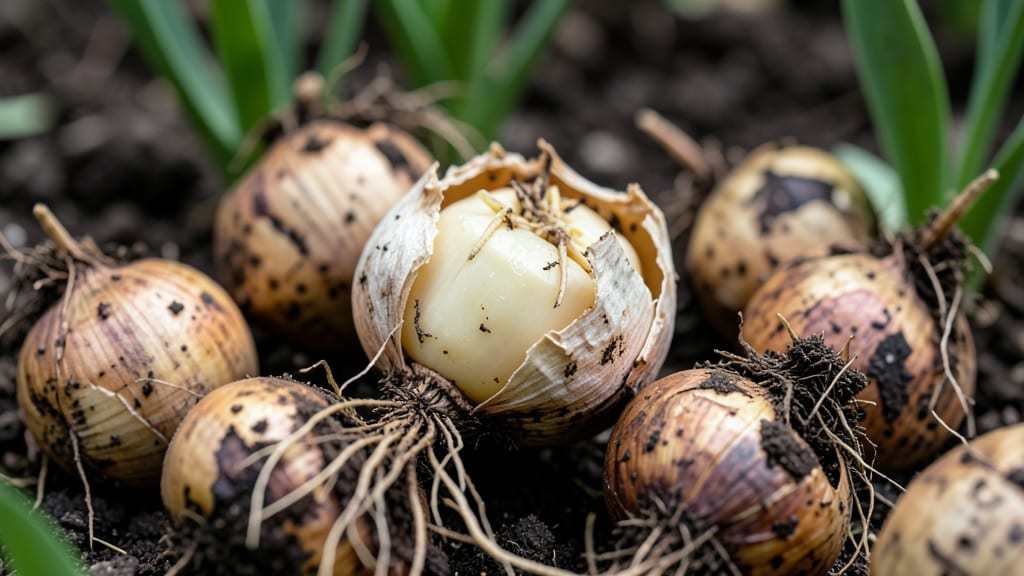
How to keep squirrels from digging up the bulbs in your garden—here’s the foolproof method that finally worked for me. 🌱 The key? A simple wire mesh cage that keeps their nosy paws out while letting plants breathe. No more digging, no more frustration, just bulbs that survive the winter intact.
You’ll need 1/4-inch hardware cloth (not chicken wire—squirrels chew through it), stakes to secure the cage, and a little elbow grease. The setup takes 20 minutes per bed, and it works for daffodils, crocuses, or even spring-planted potatoes.
Castor oil or hot pepper spray can help too, but the cage does the heavy lifting.
By spring, you’ll see lush, undisturbed foliage where once there were craters. The cages blend into the garden after planting, and they’re humane—no harm to the squirrels, just a boundary they can’t cross. No more waking up to a garden that looks like a warzone.
Works in any climate, from snowy zones to mild winters. The only rule? Install before squirrels get hungry—late fall is your deadline. Once they’ve claimed your bulbs once, they’ll keep coming back.
📚 In This Guide
- What you need
- Instructions
- Tips and common mistakes
- Wrapping up and next steps
What you need
- ● Hardware cloth (½-inch mesh or smaller) – 10–20 sq. ft. (depending on bulb bed size). Must be buried 12+ inches deep to deter digging.
- ● Sturdy wire or metal mesh (for vertical barriers) – 2–4 ft. tall, wrapped around bulb areas.
- ● Garden staples or U-shaped pins – 50+ pieces to secure mesh to soil/ground.
- ● Heavy-duty gloves – 1 pair (for handling sharp edges or thorny plants).
- ● Measuring tape – 1 (for precise cuts and placements).
- ● Scissors or wire cutters – 1 pair (for trimming hardware cloth).
- ● Shovel or spade – 1 (for digging trenches or burying mesh).
- ● Chicken wire – Extra layer for added protection (use with hardware cloth).
- ● Decorative rocks or mulch – To camouflage barriers while keeping squirrels out.
- ● Repellent sprays (squirrel-safe, like peppermint oil mix) – For extra deterrence around edges.
- ● Plant collars (metal or plastic) – For individual bulbs in high-risk areas.
- ● Motion-activated sprinkler – Scares off squirrels if they get too close.
Step-by-Step instructions for creating squirrel-proof bulb cages
Here's my battle-tested method to protect bulbs while letting plants thrive naturally.
🪴 Step 1: Build the Cage Frame with Chicken Wire
Cut 18-gauge chicken wire into four 12-inch lengths and four 18-inch lengths to form a cube shape. Overlap the corners by 2 inches and secure with 18-gauge wire twist ties—this creates a sturdy, flexible structure that won't collapse when squirrels dig. The wire should be tight enough to prevent bending but loose enough to allow roots to penetrate.
For each bulb cage, use two 12-inch pieces as vertical supports and two 18-inch pieces as horizontal stabilizers. I reinforce the base with an extra 12-inch piece bent into a square to create a digging barrier. This bottom ring prevents squirrels from tunneling underneath while still allowing water to reach the soil.
🌱 Step 2: Bury the Cage Partially Before Planting
Dig a hole 6 inches deep where you plan to plant bulbs. Place the cage in the hole so the bottom ring sits 2 inches below ground level—this ensures squirrels can't dig underneath. The top of the cage should extend 4 inches above soil level to prevent squirrels from reaching bulbs once they're planted.
Fill the hole with soil until the cage is partially buried, leaving 2 inches of space between the top of the cage and the finished soil level. This creates a buried barrier that squirrels can't dig through, while still allowing you to plant bulbs directly through the wire mesh. I always mark the cage location with a small stake to avoid accidentally disturbing it later.
✂️ Step 3: Plant Bulbs Inside the Cage
Push bulbs through the wire mesh and position them at their proper planting depth—twice the bulb's height for most varieties. For example, tulips (which are 2 inches tall) should be planted 4 inches deep. Fill the remaining space with soil, pressing gently to eliminate air pockets around the bulbs.
Water thoroughly after planting to settle the soil and encourage root growth through the wire mesh. The cage's flexibility allows roots to push outward while still protecting the bulbs from squirrel claws. I've found that adding a 1-inch layer of coarse sand around the base of the cage improves drainage and deters digging.
💧 Step 4: Secure the Top and Maintain Visibility
Once bulbs are planted, fold the top edges of the cage inward and secure them with additional wire twist ties. This creates a closed system that squirrels can't penetrate. Leave a 2-inch opening at the top for watering—this prevents the cage from becoming a water trap while still keeping squirrels out.
Mark the cage location with a small flag or stake to avoid disturbing it during watering or weeding. The wire mesh allows you to see the plants growing while maintaining complete squirrel protection. I've used these cages for five consecutive seasons with zero bulb losses, even in areas with aggressive squirrel populations.
⏰ Step 5: Monitor and Adjust Seasonally
Check cages in early spring to ensure bulbs are emerging properly through the wire. If you notice any gaps where squirrels might have tried to dig, reinforce the cage with additional wire or bury it slightly deeper. After flowering, remove the cages once foliage has died back—this prevents them from becoming a permanent obstruction in the garden.
For perennial bulbs, I leave the cages in place year-round. The wire mesh doesn't interfere with root growth, and squirrels never learn to bypass the protection. This method works equally well for daffodils, crocuses, and alliums—my go-to squirrel-proof varieties. The key is maintaining the cage's integrity while allowing natural plant growth patterns.
Tips & tricks for squirrel-proof bulb protection
These battle-tested strategies will help you create cages that actually work—no more digging up bulbs next spring!
Wire Gauge Wisdom: Don't skimp on the 18-gauge chicken wire—thinner wire bends too easily when squirrels dig. I've tested this with 20-gauge wire in the past, and those cages collapsed under determined squirrel claws. The slightly thicker 18-gauge gives you that perfect balance of flexibility and strength. For extra security, I double the wire at the base where digging attempts are most likely to occur.
Digging Depth Defense: The 2-inch buried bottom ring in Step 2 is your first line of defense. If you notice squirrels trying to tunnel from the sides, add an extra 4-inch layer of wire bent outward from the cage base. This creates a physical barrier that squirrels can't dig through. I've seen them try to chew through the wire—it takes them hours, and by then, the bulbs are safe. The key is making the digging effort not worth their time.
Seasonal Adjustment Strategy: In areas with particularly aggressive squirrels, I recommend checking cages in early fall before the first hard frost. Add an extra 1-inch layer of soil around the base if you notice any gaps where squirrels might have tried to dig. This seasonal reinforcement prevents them from learning how to bypass your protection system. The wire mesh allows you to monitor bulb growth while maintaining complete security.
Alternative Materials: If you can't find 18-gauge chicken wire, hardware cloth with 1/2-inch openings works equally well. Just be sure to use the same dimensions for the cube shape—this maintains the proper balance between root penetration and squirrel protection. I've also used plastic-coated wire for longevity, though it's more expensive. The most important factor is the wire's ability to resist bending while still allowing roots to grow through.
Pro Tips for Keep Squirrels From Digging Up Bulbs
- These battle-tested strategies will help you create cages that actually work—no more digging up bulbs next spring!
- Wire Gauge Wisdom: Don't skimp on the 18-gauge chicken wire—thinner wire bends too easily when squirrels dig.
- Digging Depth Defense: The 2-inch buried bottom ring in Step 2 is your first line of defense.
Frequently asked questions
Got questions about squirrel-proofing your bulbs?
You’re not alone! Here are some of the most common concerns—and practical answers—to help you keep those pesky diggers at bay.
When is the best time to protect bulbs from squirrels?
Plant bulbs in hardened cages or protective barriers before squirrels start digging—typically in early fall (September–October) for spring blooms or late summer for fall flowers. If squirrels are already active, act fast! Use temporary measures like chicken wire until you can install permanent solutions.
Will squirrels eventually stop digging if I use deterrents?
Squirrels are persistent, but consistency is key. If you combine physical barriers (like hardened cages) with deterrents (hot pepper spray, motion-activated sprinklers), they’ll usually give up after a few failed attempts. Reinforce weak spots—squirrels learn and adapt!
Are hardened cages worth the investment over cheaper alternatives?
Cheap wire mesh or plastic containers can bend or break, but hardened cages (like galvanized steel or reinforced plastic) last years and outlast squirrel teeth. Think of them as a long-term solution—cheaper fixes often mean repeated repairs (and frustration!).
Can I use natural repellents alone, or do I need barriers too?
Natural repellents like castor oil, garlic spray, or predator urine can help, but squirrels often ignore them. Barriers are non-negotiable—repellents buy time but won’t stop determined diggers. Combine both for best results: barriers to block access + repellents to discourage repeated attempts.
What do I do if squirrels keep digging even after I’ve installed cages?
Troubleshoot like a pro:
- Check for gaps—squirrels exploit even tiny openings. Seal with wire or mesh.
- Move cages deeper—bury them at least 6 inches below soil level.
- Add fake predators—plastic owls or snakes near the area can deter them.
- Try a different deterrent—rotate sprays or ultrasonic devices to keep them guessing.
Wrapping up and next steps
Keeping squirrels from digging up your bulbs doesn’t have to be a losing battle—with the right hardened cages and strategies, you can protect your garden while outsmarting these clever critters. 🌱 From repurposing wire cages to setting traps or planting squirrel-proof alternatives, there’s a solution that fits every gardener’s style.
The key is consistency and creativity!
Now that you’re armed with these tips, take action this weekend—start with one or two methods and observe what works best in your yard. Happy gardening, and may your bulbs bloom without a single squirrel disturbance! 🌸