
Advice
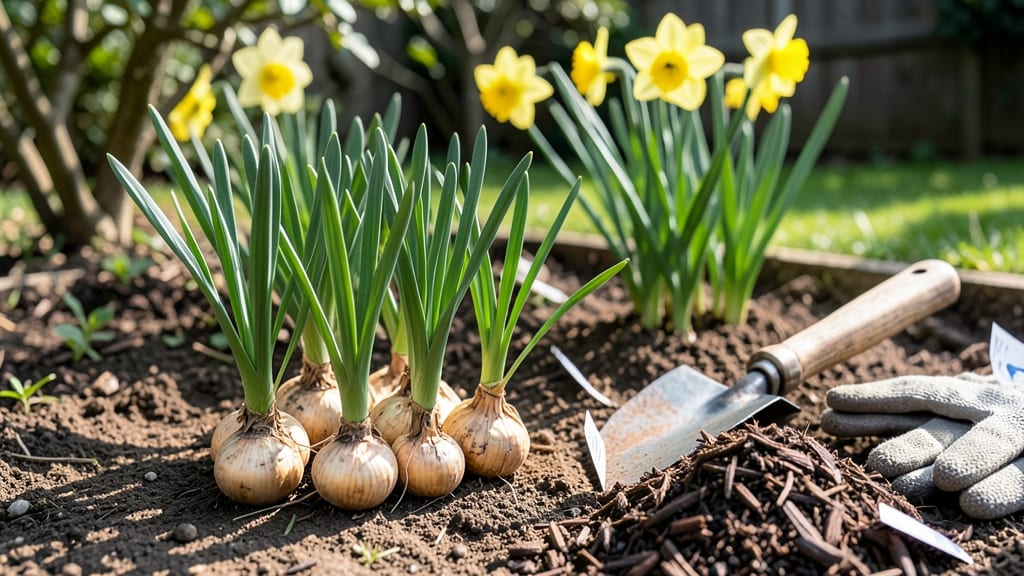
Perennial bulbs do come back every year when planted properly in well-draining soil with adequate sunlight, though their vigor depends on consistent care and seasonal conditions.
This resilience comes from their unique underground storage systems—bulbs store energy like natural batteries, allowing them to survive harsh winters and regrow when conditions improve. 🌱 For example, daffodils and tulips rely on their bulb bases to regenerate foliage each year, while others like alliums may even produce offsets that create new plants over time.
The key is balancing moisture, sunlight, and soil health to keep these underground powerhouses thriving for decades.
Many gardeners assume bulbs are low-maintenance, but improper care can shorten their lifespan. Overwatering during dormancy or planting too shallowly exposes bulbs to temperature fluctuations, while poor drainage leads to rot.
I’ve seen firsthand how a simple layer of mulch in late fall can protect bulbs from freezing temperatures, ensuring they’ll push through the soil year after year.
💡 In This Article
- How Perennial Bulbs Survive and Reproduce Seasonally
- Tips to Ensure Your Perennial Bulbs Return Year After Year
How perennial bulbs survive and reproduce seasonally
Perennial bulbs rely on a clever biological strategy to survive through seasons: their underground structures act like natural energy reserves. The bulb itself stores carbohydrates, proteins, and water in specialized layers called scales, which function like a plant's battery.
During dormancy (typically winter), these stored nutrients sustain the bulb while its above-ground parts die back. When temperatures rise and daylight increases in spring, hormones like gibberellins trigger the bulb to send out new shoots—this process is called vernalization, where cold exposure actually prepares the bulb for growth.
The timing of this cycle varies by species. For example, spring-blooming bulbs like tulips (Tulipa gesneriana) need 6-8 weeks of cold temperatures (35-45°F) to break dormancy, while summer-blooming dahlias (Dahlia spp.) store energy in their tuberous roots and regrow when soil temperatures reach 60°F.
The key environmental triggers are light (photoperiod), temperature fluctuations, and moisture availability—all working together to signal the bulb when it's safe to regrow. Without these cues, bulbs may fail to sprout or produce weak growth.
What many gardeners don't realize is that bulbs also reproduce vegetatively through offsets—small bulblets that form around the parent bulb. These offsets contain their own growth points and gradually separate to form independent plants.
For instance, a single daffodil bulb (Narcissus pseudonarcissus) can produce 3-5 offsets per year under ideal conditions, creating a natural colony.
This multiplication explains why some bulb beds appear denser over time, though it also means you may need to divide crowded clumps every 3-5 years to prevent competition for nutrients.
Soil moisture plays a critical role in this cycle. During active growth, bulbs need consistent watering to replenish their energy stores, but they enter dormancy when soil moisture drops below 30-40% saturation. This dry period is essential—it prevents rot and allows the bulb to harden its outer layers.
In my own garden, I've noticed that bulbs planted in sandy soil (which drains quickly) often return more reliably than those in heavy clay, because clay holds too much moisture during dormancy, leading to rot.
The most resilient bulbs, like alliums (Allium spp.) and crocuses (Crocus vernus), have evolved to thrive in marginal conditions. Alliums, for example, can survive with as little as 4-6 hours of sunlight daily and tolerate soil pH ranges from 6.0-8.0.
Their secret? A tough outer tunic that protects against pests and drought. Meanwhile, crocuses bloom early in the season when soil temperatures are still cool (45-55°F), taking advantage of minimal competition from weeds or other plants.
Understanding these seasonal rhythms helps explain why some bulbs fade over time. If a bulb doesn't receive enough light during its growing season or is disturbed during dormancy (like by digging or overwatering), it won't store sufficient energy to return the next year.
The good news? With proper care, many perennial bulbs can live for decades—some historic daffodil clumps in England date back over 200 years! 🌟