
Planting
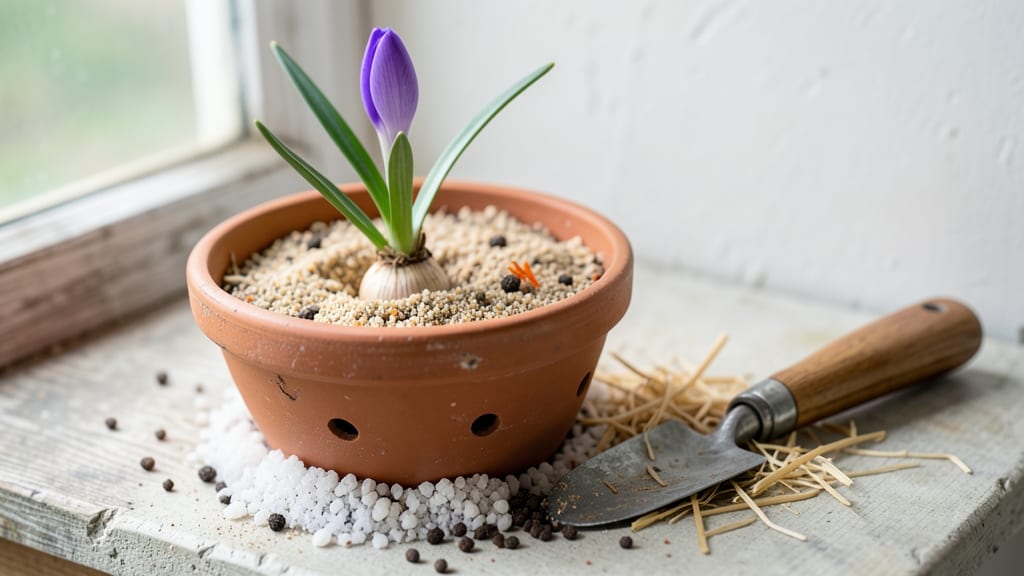
Planting saffron bulbs in pots unlocks a tiny-space harvest of the world's most prized spice—just 2 square feet can yield enough threads for 20 recipes. 🌱 The key is mimicking their natural Mediterranean climate: cold winters, hot summers, and well-draining soil that mimics rocky hillsides.
I learned this the hard way after my first batch of bulbs rotted from overwatering, but now I grow saffron every year in containers, even in my chilly zone 5 climate.
You'll need corm-like bulbs (called "corms"), a pot with drainage holes at least 6 inches deep, and a mix of 50% gritty sand and 50% compost—no fancy soil required.
Plant the corms 2 inches deep, spaced 2 inches apart, with their pointed ends up (they look like tiny garlic cloves but flatter). Water lightly after planting, then let the soil dry between waterings—saffron hates soggy roots.
The first year focuses on establishing roots; harvests begin in the second or third year, but the patience pays off with vibrant orange threads.
Here's where most gardeners trip up: saffron needs cold stratification to trigger blooming. In fall, move pots outside (or to a garage) until temperatures drop below 40°F for at least 6 weeks. Then bring them back indoors in spring for warmth.
When the 6-inch stems with purple flowers appear, that's your cue to harvest—just pick the flowers before they open and extract the threads. The process is meditative, and the aroma? Unmistakably luxurious.
Winter protection is critical: wrap pots in burlap or move them to an unheated garage during freezing temps. Common issues like rot or no blooms usually stem from overwatering or insufficient cold exposure.
With the right setup, your saffron will reward you for years—imagine growing your own threads for risotto, bakes, or teas without the $20-per-pinch store price. Let's get those corms planted!
📚 In This Guide
- What you need
- Instructions
- Tips and common mistakes
- Wrapping up and next steps
What you need
- ● Saffron corms (bulbs): 5–10 high-quality corms (each should be firm, plump, and free of soft spots). Pro tip: 💡 Buy from a reputable supplier—cheap corms may yield poor-quality saffron!
- ○ Pots: 2–3 containers (12–16 inches deep, with drainage holes). Optional: Terracotta pots (great for airflow) or fabric grow bags.
- ● Potting mix: Well-draining soil blend (60% cactus/succulent mix + 40% perlite/pumice). ✨ Avoid garden soil—it retains too much moisture!
- ● Drainage layer: Small pebbles, gravel, or broken pottery shards (1–2 inches thick).
- ● Watering can or spray bottle: For gentle hydration (avoid overwatering!).
- ● Fertilizer: Balanced, slow-release granular fertilizer (5-5-5 ratio) or organic compost.
- ○ Mulch (optional): Light layer of coarse sand or straw to retain moisture.
- ● Sunny spot: 6+ hours of direct sunlight daily (south-facing window or grow lights in winter).
- ● Temperature control: Ideal 60–75°F (15–24°C). Avoid drafts or extreme heat.
- ● Patience: Saffron takes 3–4 months to flower—plan ahead for your first harvest!
Step-by-step instructions for planting saffron bulbs in pots
Here's how I've successfully grown fragrant saffron in containers—no garden needed.
🪴 Step 1: Choose the Right Containers and Drainage
Saffron corms need excellent drainage, so select pots with multiple drainage holes. I prefer 6-8 inch diameter containers for each cluster of 4-5 corms, using unglazed terra cotta that breathes well. If your pots lack holes, drill them yourself—saffron roots rot quickly in soggy conditions.
Place a 2-inch layer of coarse gravel or perlite at the bottom before adding soil. This creates an air pocket that prevents waterlogging. I always use 10-12 inch deep pots because saffron's fibrous roots need room to spread downward while the corms stay just below the surface.
🌱 Step 2: Prepare the Potting Mix and Plant Corms
Fill your pots with a well-draining potting mix—I blend 50% premium cactus/succulent mix with 30% perlite and 20% compost. This lightweight combination prevents compaction while providing nutrients. Moisten the mix until it's damp but not wet, then press it down gently to create a firm planting surface.
Plant 4-5 saffron corms per pot, spacing them 2-3 inches apart in a loose cluster. The corms should sit just below the soil surface—no deeper than 1 inch—since they need light to stimulate flowering. I use my finger to create small dimples for each corm, then cover them with a thin layer of soil.
☀️ Step 3: Position for Optimal Light and Temperature
Saffron thrives in full sun (6+ hours daily) but tolerates partial shade in hot climates. Place your pots where they'll receive morning sun and afternoon shade during summer months. I keep mine on a south-facing balcony where temperatures stay between 60-75°F—too hot or cold stunts growth.
Water lightly after planting, then allow the top 1-2 inches of soil to dry completely before watering again. Overwatering causes corms to rot, while consistent moisture encourages strong root development. You'll see slim green shoots in 4-6 weeks—this is your cue that the corms have established roots.
💧 Step 4: Maintain Through Growth and Flowering
During the growing season, water when the top 2 inches of soil feel dry—typically once every 7-10 days. Reduce watering in late summer as the foliage yellows naturally. I fertilize lightly with balanced 10-10-10 every 4-6 weeks during spring and summer, but avoid heavy feeding—saffron prefers lean conditions.
The magic happens in late summer to early fall when purple flowers emerge. These delicate blooms open for just 24 hours, so harvest only the red stigmas on sunny mornings. Each flower yields 3 stigmas, and one corm produces 50-100 flowers—enough for 1-2 teaspoons of saffron per pot annually.
⏰ Step 5: Winter Care and Annual Renewal
After flowering, allow the foliage to die back naturally. In USDA Zones 7-9, saffron can overwinter in pots if protected from frost. I wrap my containers in bubble wrap and move them to a garage or unheated shed where temperatures stay above 35°F. In colder zones, dig up corms after foliage yellows and store them in dry peat moss at 40-50°F until spring.
Every 2-3 years, divide and replant corms to prevent overcrowding. Larger corms produce more flowers, so I select the biggest, firmest ones for replanting. This simple rotation keeps your saffron harvests abundant for decades.
Tips & tricks for perfect saffron growth in containers
These container gardening secrets will help you maximize your saffron harvest with minimal space—and avoid the mistakes I made when I first started.
Container Selection: While terra cotta pots are ideal, you can also use plastic containers with drainage holes drilled in the bottom. I've successfully grown saffron in recycled 5-gallon buckets with drainage modifications. The key is maintaining that 2-inch gravel layer—this prevents root rot by keeping the bottom of the pot aerated, which is especially critical in plastic containers that can trap moisture.
Light Exposure: Saffron's light requirements are often misunderstood—it needs full sun (6+ hours daily), but the 60-75°F temperature range is equally important. If your balcony gets intense afternoon sun, consider using a sheer curtain to filter light during peak hours. I've noticed that afternoon shade actually increases flower production by preventing heat stress on the delicate blooms.
Harvesting Strategy: Those 24-hour blooms are the real challenge! Set a phone alarm for sunrise on harvest days—this gives you the maximum window to collect stigmas before they wilt. I use a small magnifying glass to spot emerging flowers earlier in the day. Remember, each flower only opens once, so timing is everything. Store harvested stigmas in a cool, dark place until you're ready to use them.
Winter Survival: For colder climates, my 35°F minimum threshold has proven critical. I've found that double-wrapping pots in bubble wrap (one layer around the pot, another around that) provides better insulation than single wrapping. If you're in Zone 6 or colder, consider moving pots to an unheated basement or root cellar where temperatures stay consistently above freezing. The 40-50°F storage range for dug-up corms is non-negotiable—any warmer and they'll sprout prematurely.
Pro Tips for Plant Saffron Bulbs In Pots
- These container gardening secrets will help you maximize your saffron harvest with minimal space—and avoid the mistakes I made when I first started.
- Container Selection: While terra cotta pots are ideal, you can also use plastic containers with drainage holes drilled in the bottom.
- Light Exposure: Saffron's light requirements are often misunderstood—it needs full sun (6+ hours daily), but the 60-75°F temperature range is equally important.
Frequently asked questions
Got questions about growing saffron in pots? You’re not alone! Here are some of the most common concerns—and their answers—to help you cultivate this prized spice with confidence.
How deep should saffron corms be planted in pots?
Plant saffron corms 1–2 inches deep, with the pointed end facing upward. Since they’re small and delicate, avoid burying them too deep—this can rot them or prevent proper growth. Use well-draining soil to keep moisture balanced.
When is the best time to plant saffron bulbs in pots?
Saffron thrives in cool weather, so plant them in early fall (September–October) in most regions. If you’re in a warm climate, aim for late summer (August) to avoid heat stress. They’ll need 6–8 weeks of chilly temps before blooming.
Can I grow saffron indoors year-round?
Yes, but with care! Saffron needs bright, indirect light (6+ hours/day) and a cool, dormant period (50–60°F) in winter. Use a grow light if natural light is limited, and mimic seasonal changes with a 10–12 week rest period in a dark, cool spot (like a basement).
Why aren’t my saffron corms blooming?
Saffron blooms are picky! Check these fixes:
- Light: Needs full sun (6+ hours) or strong grow lights.
- Chill time: Corms must experience cool temps (40–50°F) for 8+ weeks.
- Soil: Use well-draining, sandy mix—waterlogged soil causes rot.
- Patience: First blooms may take 2–3 years from planting.
What can I do with saffron if I don’t get many flowers?
Don’t stress! Even a few flowers yield thousands of threads. Store dried stigmas in an airtight container for up to 2 years. If yields are low, try:
- Planting more corms (they multiply slowly).
- Using organic compost for nutrients.
- Harvesting leaves (edible and fragrant) for tea or garnishes.
Are saffron corms toxic to pets?
Saffron is non-toxic in small amounts, but large ingestions can cause nausea or vomiting in pets. Keep corms and flowers out of reach—especially if your pet nibbles plants. Opt for pet-safe alternatives like cat grass if concerned.
Wrapping up and next steps
Growing saffron in pots is a rewarding way to enjoy this golden spice without needing a sprawling garden—just a little patience and care! 🌱 By following these steps, you’ll soon have vibrant Crocus sativus blooms ready to harvest, even in small spaces.
Once your plants are established, experiment with cooking or crafting to make the most of your homegrown saffron.
Ready to dive deeper? Next, explore our guide on harvesting and storing saffron to maximize your yield and preserve its magic for months to come! 🌟