
Orchid Care
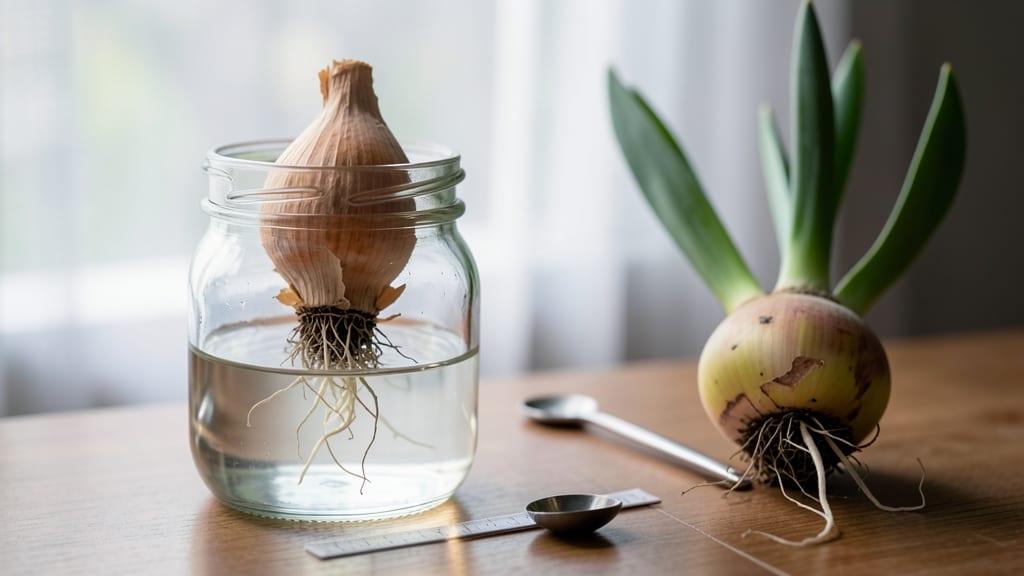
Regrowing tulip bulbs in water lets you coax new growth from last year's blooms without soil—proof that you don’t need a garden to keep tulips thriving. 🌱 I’ve done this for three seasons now, and the process is simpler than you’d think, though it requires patience and attention to detail to avoid mold or rot.
The key is selecting the right bulbs and maintaining the perfect balance of water, light, and temperature.
Start with healthy, firm bulbs that show no signs of soft spots or mold—these are your best bet for successful regrowth.
Place them in a clear container with just enough water to cover the bottom third, then position them near a bright window where they’ll get 6-8 hours of indirect light daily.
Change the water every 3-5 days to prevent bacterial growth, and keep the temperature between 60-70°F for optimal results.
Within a few weeks, you’ll see green shoots pushing through the top of the bulb, followed by a single stem that can bloom again—though it may be smaller than the original.
This method works best for short-term propagation or forcing blooms indoors, but tulips won’t thrive long-term in water alone. For lasting growth, transplant them to soil after a few months.
If your bulbs develop mold or rot, act fast by trimming affected areas and refreshing the water. This technique is perfect for beginners or those with limited space, offering a low-commitment way to enjoy tulips year-round.
Just remember: consistency is everything, and a little care goes a long way toward keeping your bulbs happy and blooming.
📚 In This Guide
- What you need
- Instructions
- Tips and common mistakes
- Wrapping up and next steps
What you need
- ● Ready to bring your tulip bulbs back to life without soil? Here’s everything you’ll need to get started—no green thumb required! 🌱✨
- ● Pro tip: 🌡️ Use room-temp water (60–70°F)—cold water can shock the bulb!
Step-by-step instructions for regrowing tulip bulbs in water
Here’s how to breathe new life into tulip bulbs without soil—just water, patience, and a sunny spot!
🌱 Step 1: Select and Prepare the Bulbs
Start with healthy, firm tulip bulbs—avoid any that feel soft or shriveled, as they won’t regrow well. I like to choose bulbs that have already bloomed once, as they’ve stored enough energy for a second life. Gently peel away any dried outer layers with your fingers, exposing the papery skin underneath. This helps the bulb absorb moisture more efficiently.
Place the cleaned bulbs in a shallow dish or bowl. You’ll need one bulb per 4-inch container (like small jars or glass cups) for best results. If you’re using a larger vessel, space them about 2 inches apart—crowding leads to weak stems and fewer blooms. The goal here is to mimic their natural environment while keeping things simple.
💧 Step 2: Add Water and Position for Light
Fill your chosen containers with room-temperature water until it covers about half the bulb’s height—no deeper, or the bulb will rot. I use filtered or distilled water to avoid chlorine, which can stress the plant. Change the water every 3-4 days to keep it fresh and prevent bacterial growth. You’ll see roots emerging from the base within 7-10 days—that’s your first sign of success!
Place the containers in a spot with bright, indirect light (like a sunny windowsill with sheer curtains). Tulips need light to grow, but direct midday sun can scorch the leaves as they develop. If your space is dim, supplement with a grow light kept 6-12 inches away for 12-14 hours daily. Watch for the first green shoot—this is when the magic really begins!
☀️ Step 3: Encourage Growth and Monitor Water Levels
Once the bulb sprouts, it’s time to feed it gently. After the first true leaves appear (not the initial shoot), add a diluted houseplant fertilizer (half-strength) to the water once a week. I use a balanced 10-10-10 formula, but tulips are forgiving—even skipping fertilizer won’t kill them, though it may delay blooms. Keep the water level consistent: always halfway up the bulb, never letting it dry out completely or soak the top.
As the stem grows, you’ll notice it bends toward the light—this is normal! Rotate the container a quarter turn daily so the stem grows straight and sturdy. If the water gets murky or smells funky, dump it and refill immediately. A healthy regrowing tulip will develop a single, strong stem with 3-5 leaves before flowering. Patience is key here—rushing the process leads to weak blooms.
⏰ Step 4: Prepare for Blooming and Transition to Soil (Optional)
The moment you’ve been waiting for arrives when the bud forms at the top of the stem—usually 6-8 weeks after sprouting. At this stage, tulips need more light and cooler temperatures to encourage blooming. Move them to a cooler spot (50-60°F) if your home runs warm, like near a north-facing window or an unheated garage. You’ll see the first pink or purple hues in the bud about 1-2 weeks before it opens fully.
Once the bloom fades, you have two choices: keep the bulb in water for another cycle (though it may not rebloom as strongly) or plant it in soil for next spring. If you choose soil, wait until the foliage yellows completely, then transplant the bulb into well-draining potting mix and place it in a cool, dark spot for 6-8 weeks to recharge. This mimics winter dormancy and sets the stage for another spectacular show!
Tips & tricks for perfect tulip regrowth in water
Here's what nobody tells you—these little tricks will turn your tulip regrowth from "maybe it'll work" to "I can't believe it bloomed again!"
Bulb Selection Matters: Look for bulbs that are firm and plump, with smooth, unbroken skin. I've found that bulbs which have already bloomed once store more energy and regrow more reliably. Avoid any with soft spots or mold—these won't make it. Pro tip: If you have bulbs from last year's garden, choose the largest ones—they've got the most stored energy for this second life!
Container Size is Critical: Using containers that are too large can lead to waterlogged bulbs, while too small containers restrict root growth. The perfect size is one bulb per 4-inch container—think mason jars or small glass cups. If you're using a larger vessel, space bulbs 2 inches apart to prevent competition for nutrients and light. I've ruined three batches by crowding them, so trust me on this!
Light is Everything: Tulips need bright, indirect light for at least 12-14 hours daily. If your space is dim, invest in a simple grow light—keep it 6-12 inches away and run it during daylight hours. I've seen tulips grow toward light so aggressively they'll bend right out of their containers if you don't rotate them daily. Watch for the first green shoot—this is your signal that the light conditions are perfect!
Water Maintenance is Non-Negotiable: Change the water every 3-4 days to prevent bacterial growth and keep it fresh. The water level should always be halfway up the bulb—never let it dry out completely or submerge the top. I've learned the hard way that murky, smelly water means trouble. If you notice the water getting cloudy before your scheduled change, dump and refill immediately. This simple step makes all the difference between a thriving tulip and a sad, rotting bulb.
Pro Tips for Regrow Tulip Bulbs In Water
- Here's what nobody tells you—these little tricks will turn your tulip regrowth from "maybe it'll work" to "I can't believe it bloomed again!"
- Bulb Selection Matters: Look for bulbs that are firm and plump, with smooth, unbroken skin.
- Container Size is Critical: Using containers that are too large can lead to waterlogged bulbs, while too small containers restrict root growth.
Frequently asked questions
Got questions about regrowing tulip bulbs in water? You’re not alone! Here are some of the most common concerns—and their simple solutions—to help you master this zero-soil method with confidence.
Can I regrow any tulip bulb in water?
Most tulipa species (like Darwin hybrids or Parrot tulips) adapt well to water regrowth, but avoid fritillaria or grape hyacinths—they’re finicky and may rot. Stick to healthy, firm bulbs with no soft spots or mold. Pro tip: Smaller bulbs (3–4 inches) regrow faster than giant ones!
How long does it take for roots and shoots to appear?
Patience is key! Roots usually sprout in 2–4 weeks, while shoots take 4–8 weeks to emerge. Keep the water lukewarm (60–70°F) and change it weekly to speed things up. Cold water slows growth—place your jar near a sunny window for warmth.
What if my bulb smells bad or turns mushy?
That’s a red flag for rot! Drain the water immediately, trim any squishy roots with sterilized scissors, and let the bulb dry for 1–2 days in a shady spot. If the smell persists, the bulb may be beyond saving. Prevent rot by using filtered or distilled water (tap water’s chlorine can irritate bulbs).
Can I replant the bulb back in soil after regrowing?
Once roots reach 2–3 inches and shoots are 2–3 inches tall, transplant the bulb into well-draining soil (mix potting soil with perlite). Plant it 6 inches deep and water lightly. Wait until spring to see blooms—water regrowth weakens the bulb’s first-year flowering.
What’s the best alternative if my tulip bulb won’t regrow?
Try these low-effort alternatives:
- Hydroponic gel: Soak the bulb in water-absorbing gel (like Oasis) for slower, rot-resistant growth.
- Sand method: Bury the bulb halfway in damp sand (keeps roots oxygenated).
- Paper towel trick: Wrap the bulb in a damp paper towel in a sealed bag for 2–3 weeks to encourage sprouting.
Wrapping up and next steps
Regrowing tulip bulbs in water is a simple, rewarding way to enjoy their beauty year-round without soil! With just a few supplies and patience, you can nurture vibrant blooms indoors—perfect for adding a pop of color to your space.
Once your tulips finish blooming, don’t toss the bulb; give it a second life in water and watch it thrive again!
Ready to try? Start with one bulb today—experiment with different water levels or containers, and share your progress. Happy growing, and may your indoor garden flourish! 🌱✨