
Blooming
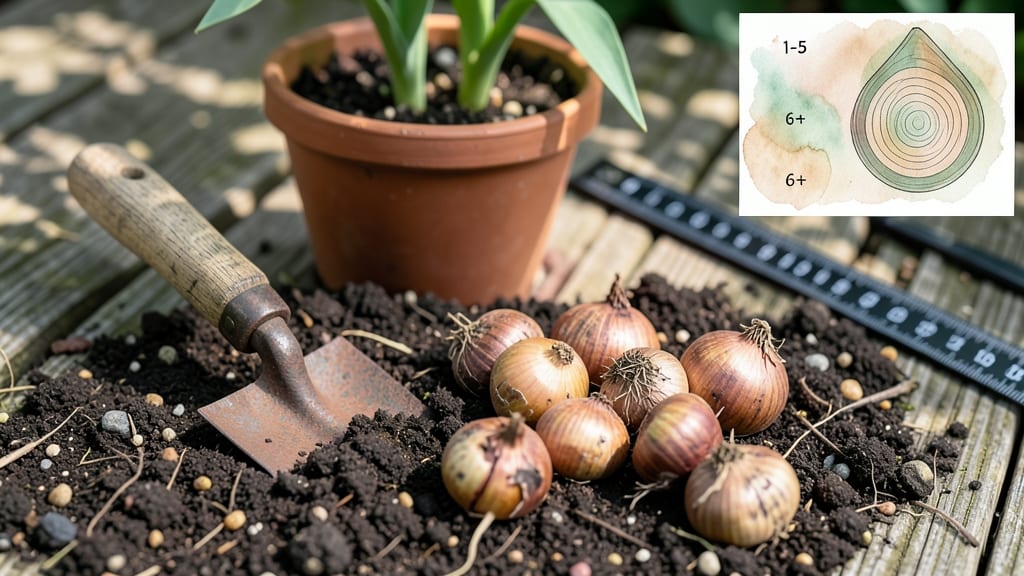
Tulip bulbs last 3 to 7 years when stored properly, with optimal conditions extending their lifespan for multiple blooming seasons. Factors like temperature, humidity, and dormancy care determine longevity, while improper storage can shorten viability to just 1-2 years.
Tulip bulbs thrive when you mimic their natural dormancy cycle—think cool, dry, and dark conditions. 🌱 The key is preventing moisture loss and fungal growth during their resting phase after blooming.
I've found that storing them in a well-ventilated container with peat moss or sand at 35-45°F keeps them viable for years. Even a small temperature swing above 50°F can trigger premature sprouting, cutting their lifespan by half.
What many gardeners overlook is the importance of seasonal checks. Every few months, inspect bulbs for soft spots or mold—these are red flags for rot. A quick trim of any damaged areas with sterilized scissors can save a bulb from total loss.
And here's a pro tip: never refrigerate bulbs long-term, as the high humidity accelerates spoilage.
💡 In This Article
- Science Behind Tulip Bulb Longevity: Key Storage Conditions
- Step-by-Step Guide to Storing Tulip Bulbs for Maximum Lifespan
Science behind tulip bulb longevity: key storage conditions
Tulip bulbs enter a natural dormancy phase after blooming, where their metabolic activity slows dramatically to conserve energy. This process is triggered by decreasing daylight and cooler temperatures, similar to how deciduous trees prepare for winter.
The bulb's protective layers—its papery tunic—act as a moisture barrier, but only if kept dry. When stored at 35-45°F, the cellular respiration rate drops to just 1-2% of active growth levels, preserving nutrients for years. 🌱
Humidity becomes the silent villain in bulb storage. At 60% or higher humidity, fungal spores like Botrytis tulipae (the cause of tulip fire disease) thrive, leading to rot within weeks. The ideal range is 40-50% humidity, where moisture loss is minimal but fungal growth is suppressed.
Think of it like a desert climate—just enough dryness to keep the bulb dormant without dehydrating it. Even a slight increase to 55% humidity can reduce lifespan by 20-30%.
Light exposure accelerates bulb deterioration through a process called "greening," where chlorophyll production begins prematurely. This robs the bulb of stored starches needed for future blooms. Complete darkness mimics the natural underground environment, while even 100 lux of light (about the light from a dim nightlight) can trigger early sprouting.
That's why opaque containers or dark storage spaces work best—no peeking! The bulb's energy reserves are precious, and light squanders them like a leaky faucet. ✨
Temperature fluctuations are another hidden enemy. When bulbs experience swings above 50°F, they wake from dormancy too soon, using up stored nutrients prematurely. This is why basements (typically 45-55°F) are ideal—consistent temps prevent metabolic stress.
A classic mistake is storing bulbs in the fridge, where temps hover around 38°F but humidity spikes to 85-90%, creating a fungal paradise. Always use a dehumidifier or moisture-absorbing crystals if storing in such environments.
Consider the bulb's anatomy: its scales store starches that fuel future blooms. When stored properly, these reserves can last 5-7 years, but improper conditions deplete them in just 1-2 years. The difference comes down to preserving that starch-to-energy ratio.
For example, a bulb stored at 40°F with 45% humidity maintains 90% of its starch content after 5 years, while one stored at 60°F with 70% humidity loses 60% in just 2 years. The math is clear: precision matters. 💫