
Flowers
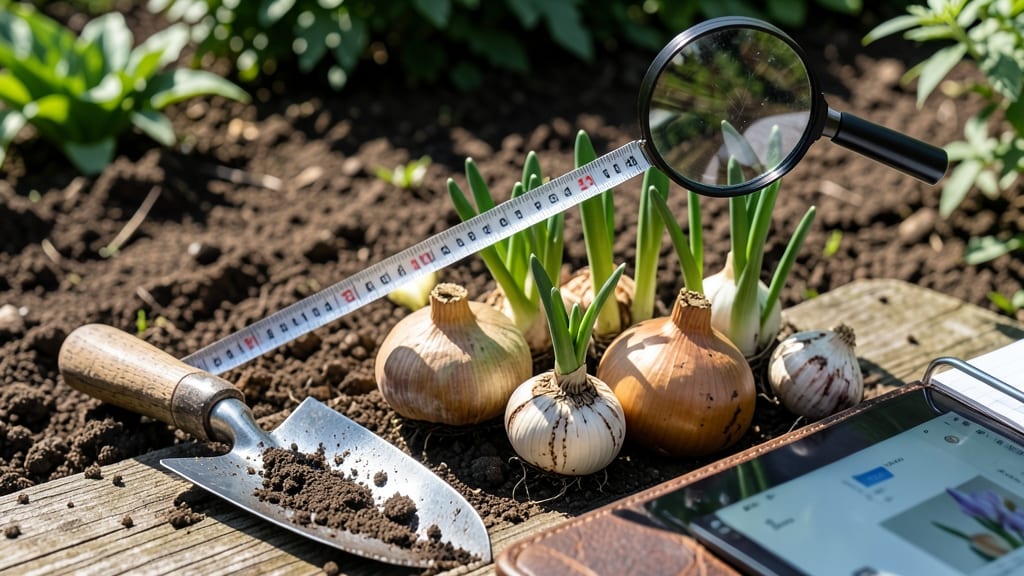
Identifying flower bulbs starts with noticing their shape, size, and texture—like spotting a tulip’s smooth, egg-like form versus a daffodil’s wrinkled, papery coat. 🌱 I’ve spent years sorting through bags of mixed bulbs, and the key differences aren’t always obvious until you hold them: one might feel light and papery, while another is dense and waxy.
These clues determine planting depth, spacing, and even when to plant them for the best blooms.
Take tulips and hyacinths, for example—their bulbs look similar at first glance, but tulips are usually smaller (about the size of a walnut) and smoother, while hyacinths are larger (like a golf ball) with a rougher texture.
Daffodils stand out with their flat, disc-like shape and papery outer layers, which protect them from rot. These details matter because planting a tulip too deep or too shallow can mean the difference between a vibrant spring display and a missed season.
Seasonal timing is another game-changer: daffodils and crocuses go in the fall, while gladioli and dahlias wait for spring. Misidentifying a bulb can lead to planting it at the wrong time, which might stunt growth or prevent blooming entirely.
Once you learn to read these visual cues, you’ll confidently sort through bulbs like a pro—no more guessing games in the garden center.
Grab a magnifying glass or a good light, and start comparing shapes, sizes, and textures. The more you practice, the easier it gets. Soon, you’ll be matching bulbs to their perfect planting conditions without hesitation—leading to a garden that bursts with color year after year.
Common Causes of Bulb Confusion
Misidentifying flower bulbs can be frustrating, but understanding the root causes helps gardeners avoid mistakes. Here’s why it happens—and how to tackle each issue like a pro.
Many flower bulbs share similar shapes, textures, or colors, making them nearly indistinguishable at first glance.
For example: - Tulips and daffodils both have bulbous bases, but tulips often have smoother, papery skins, while daffodils (genus Narcissus) may have a more fibrous, mesh-like covering. - Hyacinths and grape hyacinths (Muscari) both grow in clusters, but grape hyacinths are smaller, with bell-shaped flowers and a distinct grape-like scent. - Alliums and onions can resemble each other, but alliums (like Allium giganteum) often have spherical, papery bulbs, while onions are more layered and pungent.
Why it matters: Nature didn’t design bulbs with labels—so visual cues like leaf shape, flower structure, and growth habits become your best friends.
Bulbs vary dramatically in size, from tiny snowdrops (no larger than a pea) to massive fritillaria imperialis (the size of a baseball).
Even experienced gardeners can misjudge: - Miniature bulbs (e.g., Crocus or Chionodoxa) are often confused with weeds or seeds. - Large bulbs (like Lilium or Fritillaria) may be mistaken for vegetables (e.g., onions or garlic) if dug up prematurely.
Pro tip: 💡 Measure twice, plant once. Use a ruler or compare to common objects (e.g., a quarter, golf ball) to estimate size before identifying.
Some bulbs look identical when dormant but bloom at different times. For example:
- Spring-blooming bulbs (tulips, daffodils) vs. fall-blooming bulbs (crocus, colchicum).
- Summer bulbs (like Dahlia tubers) may resemble winter bulbs (e.g., Sternbergia) if dug up out of season.
Key clue: Check for growth signals—are roots emerging? Are leaves unfurling? A bulb in active growth (even if not flowering) gives major ID hints.
Bulbs buried underground lose defining features like:
- Color (many bulbs fade to beige or brown when dry).
- Texture (papery skins vs. fibrous coatings).
- Scent (some, like hyacinths, have a strong fragrance when fresh but lose it when stored).
Actionable fix: 🔥 Dig bulbs in ideal conditions—after foliage dies back (but before they rot) and on a dry, sunny day. Rinse gently with water to reveal hidden details.
Without a visual key or bulb guide, even experienced gardeners guess.
Common pitfalls: - Relying on memory (e.g., "That bulb looks like last year’s tulip… but is it?"). - Ignoring regional variations (e.g., Fritillaria meleagris in Europe vs. Fritillaria persica in Asia). - Mixing up cultivated vs. wild types (e.g., Tulipa gesneriana hybrids vs. Tulipa sylvestris).
Solution: Keep a bulb ID chart handy or use apps like PlantNet or iNaturalist to cross-reference.
Bulbs degrade over time, losing key ID features:
- Shriveling (from drying out) makes them look smaller or deformed.
- Mold or rot can alter color and texture.
- Physical damage (slicing, crushing) obscures internal structures (e.g., a tulip’s "cup" vs. a daffodil’s "disc").
Prevention: 🌡️ Store bulbs properly—in a cool (40–50°F), dry, dark place with good airflow (like a mesh bag). Avoid plastic containers that trap moisture.
Names like "tulip" or "lily" are misleading—many bulbs share them but aren’t related:
- "Lily" can mean true lilies (Lilium) or daylilies (Hemerocallis, which are rhizomes, not bulbs).
- "Daffodil" often refers to Narcissus, but Jonquil and Paperwhite are also Narcissus species with different bulb shapes.
Fix: 🎯 Learn the science—stick to genus/species names (e.g., Tulipa gesneriana vs. Narcissus pseudonarcissus) for accuracy.
Bulbs adapted to specific climates may look unfamiliar in new regions:
- Cold-hardy bulbs (e.g., Allium ursinum) thrive in Zone 4 but may shrivel in Zone 10.
- Tropical bulbs (like Crinum) have thick, fleshy scales vs. the papery skins of temperate bulbs.
Action step: Research your USDA Hardiness Zone and match bulbs to your local growing conditions.
Modern breeding creates bulbs that defy expectations:
- Double-flowered tulips may lack the single "cup" shape of heirloom varieties.
- Variegated leaves (e.g., Allium 'Purple Sensation') can make bulbs look unlike their parent species.
Workaround: 🔥 Check for breeders’ tags or ask nurseries about parentage—hybrids often have unique traits listed in catalogs.
If bulbs aren’t labeled when planted, you’re flying blind. Even the most experienced gardener can’t remember:
- Which bulb went where in a mixed border.
- Whether that odd-shaped bulb is a Fritillaria or a Lilium hybrid.
Non-negotiable rule: 📝 Label. Every. Single. Bulb. Use toothpicks + masking tape or waterproof tags for long-term gardens.
Quick fixes for bulb confusion
Got tangled in a garden center maze of flower bulbs? No worries—here’s how to untangle the mystery and plant with confidence!
Problem: Bulbs like tulips, daffodils, and hyacinths share rounded shapes and similar packaging, making them hard to distinguish at a glance.
Fix It:
- Check the label first! 📝 Most bags list the botanical name (e.g., Tulipa gesneriana vs. Narcissus pseudonarcissus). If it’s missing, ask a staff member—they’re usually happy to help.
- **Look at the base of the bulb. Tulips have a flat bottom, while daffodils have a papery, cup-like sheath. Hyacinths often have a slightly pointed tip.
- Use a bulb identifier app** like PlantNet or PictureThis—upload a photo, and it’ll match your bulb to a database in seconds.
Prevent Relapse:
- Snap a photo of the label before buying and save it in a folder titled “My Bulbs 2024.” Pro tip: 💡 Use a colored dot sticker on the bag to match it to your notes later.
- Buy in bulk from trusted sellers (like local nurseries) where labels are clear and consistent.
Problem: You’ve got a bag of bulbs that look wrinkled, moldy, or dried out—now what?
Fix It:
- Test for freshness: 🧪 Squeeze gently. A healthy bulb should feel firm, not soft or hollow. If it’s squishy, toss it.
- Revive slightly dried bulbs: Soak them in lukewarm water for 1–2 hours before planting. Avoid soaking too long—this can rot them!
- Inspect for pests: 🐜 Look for holes, webbing, or tiny beetles. If found, treat with neem oil spray (1 tsp neem oil + 1 quart water) before planting.
Prevent Future Damage:
- Store bulbs properly: Keep them in a cool (40–50°F), dry place (like a garage or basement) in a breathable mesh bag or cardboard box. ❄️ Never refrigerate—this can cause rot.
- Plant as soon as possible after purchase. Most bulbs are best planted within 2–4 weeks of buying.
Problem: You’ve got spring-blooming bulbs in hand but it’s still winter—or summer bulbs in July. Oops!
Fix It:
- Know your zones: 🌍 Use the USDA Plant Hardiness Zone Map to check when to plant. For example:
- Spring bulbs (tulips, daffodils): Plant in fall (6–8 weeks before frost).
- Summer bulbs (dahlias, cannas): Plant in spring (after last frost).
- Temporarily store bulbs:
- Spring bulbs: Keep in a cool, dark place (like a fridge crisper drawer) until planting season.
- Summer bulbs: Store in a slightly warmer spot (60–70°F) with good airflow.
Prevent Mistakes:
- Mark your calendar with reminders like “Plant tulips Oct 15” or “Dig up dahlias Nov 1.”
- Use a bulb planting chart (like this [free PDF](https://www.gardeners.com)) to plan ahead.
Problem: You’ve inherited a mystery box of bulbs with no labels—how do you ID them without guessing?
Fix It:
- Dig up a test bulb: 🌱 Plant one in a pot and observe:
- Leaf shape: Tulips have sword-like leaves; daffodils have strappy, grass-like ones.
- Flower form: Tulips have 6 petals; alliums have spherical blooms.
- Scent: Hyacinths smell strongly sweet; lilies are often fragrant too.
- Check the roots: 🔍 Some bulbs (like crocuses) have a corm (solid, no layers), while true bulbs (like tulips) have papery skins.
- Consult a bulb ID guide: Books like The Bulb Expert or online forums (e.g., [GardenWeb’s Bulb Forum](https://forums.gardenweb.com)) can help.
Prevent Future Confusion:
- Label everything immediately with waterproof tags or a sharpie on the bulb’s skin (if it’s not a delicate variety).
- Take seasonal photos of blooms and save them with the bulb type. 📸 Example: “2024 Daffodil Batch – Paperwhite Narcissus.”
Final Pro Tip: 🎯 If all else fails, plant them anyway—even mislabeled bulbs will bloom, and you’ll learn from the experience! Just keep notes for next time. Happy digging!
Frequently asked questions
How can I tell if a bulb is a tulip or daffodil just by looking?
Check the base: tulips have a smooth, flat bottom and papery skin, while daffodils (genus Narcissus) often have a wrinkled, cup-like sheath at the base. Also, daffodil bulbs are usually larger and feel heavier for their size.
What's the easiest way to identify bulbs without labels?
Use a bulb identifier app like PlantNet or PictureThis—upload a photo and it matches your bulb to a database. For quick checks, compare size (e.g., hyacinths are golf-ball sized) and texture (papery vs. waxy). Smell helps too—hyacinths have a strong sweet fragrance.
Why do some bulbs look identical but bloom at different times?
Many bulbs share similar shapes (like crocuses and colchicums), but their growth cycles differ. Crocuses bloom in early spring, while colchicums (autumn crocuses) flower in fall. Check for emerging leaves or roots—spring bulbs often start growing earlier than fall varieties.
Can I still plant bulbs if they're dried out or moldy?
Slightly dried bulbs can be revived by soaking in lukewarm water for 1–2 hours before planting. Toss moldy or soft bulbs—they won’t grow. For storage, keep bulbs in a cool (40–50°F), dry place with airflow (like a mesh bag).
What's the difference between a bulb, corm, and tuber?
Bulbs (like tulips) have papery layers and a pointed top. Corms (like crocuses) are solid, flat, and store nutrients internally. Tubers (like dahlias) are thick, irregular stems with "eyes" (growth nodes). The shape and internal structure are key clues!