
Planting
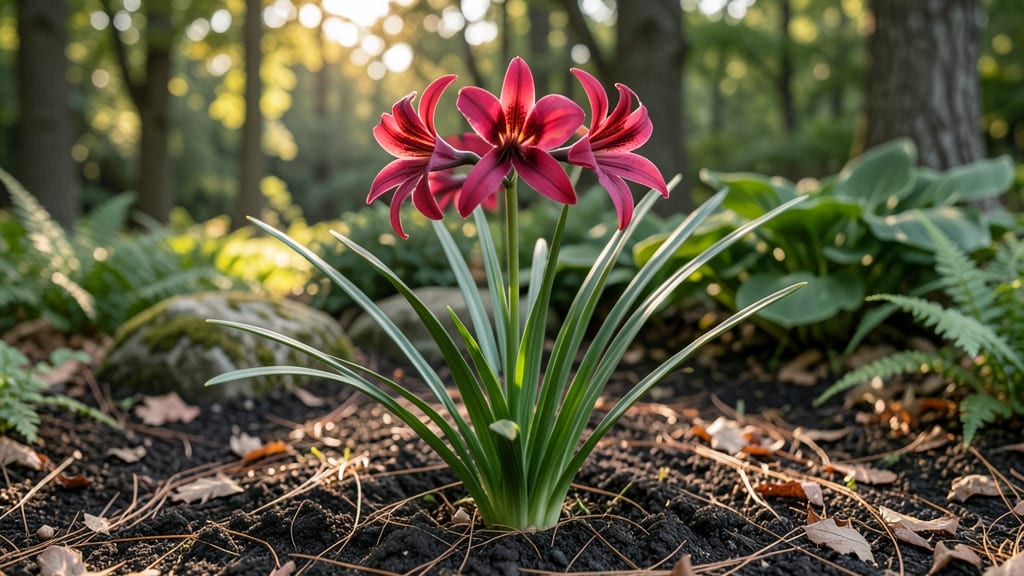
Planting Lycoris radiata bulbs brings stunning magenta blooms that pop up like magic after winter’s sleep. 🌸 I’ve grown these in my garden for years, and they’re the secret weapon for adding drama to spring borders—no fuss, just jaw-dropping color.
The key is getting the timing right: these bulbs need a cold winter dormancy to perform their best. They thrive in well-draining soil with partial shade, making them perfect for under trees or along fences.
Unlike typical spring bulbs, Lycoris radiata bulbs don’t need rich soil—just a spot where they won’t get waterlogged. Plant them 6 inches deep in fall, and they’ll reward you with blooms that last for weeks. What makes them special?
They’re chill-hardy, surviving winters in zones 4-9, and they multiply over time. Just avoid overwatering—they hate soggy soil—and you’ll have a low-maintenance perennial that keeps coming back bigger and bolder every year. Here’s the trick: let the foliage die back naturally after blooming.
This stores energy for next season’s show. And if you’re wondering how to propagate them? Simply dig up offsets in early fall and replant them—free plants for years to come!
📚 In This Guide
- What you need
- Instructions
- Tips and common mistakes
- Wrapping up and next steps
What you need
- ● Lycoris radiata bulbs: 3–5 bulbs (depending on desired coverage; larger bulbs yield bigger blooms). Choose firm, plump bulbs with no soft spots.
- ● Well-draining potting mix or garden soil: 1–2 cubic feet (for containers) or amended garden beds (for in-ground planting). Mix in compost or perlite (20–30%) for aeration.
- ○ Organic fertilizer: A balanced, slow-release formula (10-10-10 or 5-5-5) or bulb-specific fertilizer. Optional: Bone meal for phosphorus boost.
- ● Mulch: 1–2 inches of shredded bark, straw, or pine needles to retain moisture and regulate soil temp.
- ● Garden trowel or bulb planter: For digging holes (6–8 inches deep, 4–6 inches apart).
- ● Gloves: Heavy-duty to protect hands from sharp bulb edges.
- ● Watering can or hose with gentle nozzle: Avoid overwatering—bulbs hate soggy roots!
- ● Sunlight access: A spot with full sun to partial shade (6+ hours of sunlight daily). Pro tip: Morning sun + afternoon shade works best in hot climates!
- ● Cold-hardiness zone check: Lycoris radiata thrives in USDA Zones 5–9. In colder zones, plant in fall for winter dormancy.
- ● Soil moisture meter to monitor drainage.
- ● Epsom salt (for magnesium deficiency prevention).
- ● Stakes or cages (if stems need support in windy areas).
- ● Container with drainage holes (for patio gardening).
Step-by-step guide to planting and caring for Lycoris radiata bulbs
These striking perennials deliver show-stopping blooms with minimal fuss—here’s how to grow them successfully.
🌱 Step 1: Choose the Right Planting Site
Lycoris radiata thrives in full sun to partial shade, with at least 6 hours of direct sunlight daily. I always pick a spot with well-draining soil—they hate soggy roots. If your soil drains poorly, amend it with sand or grit to improve aeration.
These bulbs are cold-hardy down to USDA Zone 5, but they need a period of winter dormancy to bloom reliably. Avoid planting in areas where soil stays frozen for months. A slightly elevated spot helps prevent water pooling around the bulbs.
🪴 Step 2: Plant Bulbs at the Correct Depth and Spacing
Plant the bulbs 2-3 inches deep, with the pointed end facing upward. I space mine 6 inches apart in rows 12 inches apart—this gives them room to multiply while keeping foliage tidy. Use a trowel to dig holes just slightly larger than the bulb.
Cover the bulb with soil and water gently to settle it in place. Don’t worry about fertilizing at planting—these bulbs store energy underground and prefer lean soil. Mulch lightly with 2 inches of organic mulch (like shredded bark) to protect the soil from freezing and thawing cycles.
☀️ Step 3: Water and Maintain Through the Growing Season
Water deeply after planting, then let the soil dry out completely between waterings. Lycoris radiata stores water in its bulbs, so overwatering leads to rot. You’ll know it’s time to water again when the top 1-2 inches of soil feel dry to the touch.
Once blooms appear in late spring, reduce watering further—they’ll go dormant after flowering. The foliage will yellow and collapse naturally, which is normal. Never cut back foliage until it’s completely browned, as the plant needs to photosynthesize until dormancy.
⏰ Step 4: Prepare for Winter Dormancy
In fall, stop watering entirely once the foliage yellows. The bulbs will enter dormancy naturally as temperatures drop. A light layer of mulch (1-2 inches) helps insulate them through winter, but don’t smother the planting area—these bulbs need airflow.
In early spring, remove the mulch and wait for new shoots to emerge. You’ll see thin, grass-like leaves appear in late winter or early spring—this is your cue that the bulbs are waking up. Resist the urge to fertilize until after blooming; they’ll need their stored energy to produce those dramatic flowers.
✂️ Step 5: Divide and Propagate Every Few Years
Lycoris radiata bulbs multiply quickly, so divide clumps every 3-4 years to maintain vigor. Wait until the foliage dies back completely in late summer or early fall. Use a fork or trowel to carefully lift the bulbs, then separate any offsets with roots attached.
Replant the divisions immediately at the same depth. I always mark the spots with small stakes so I don’t accidentally dig them up later. These bulbs are tough, but they’ll reward your patience with bold, spider-lily-like blooms year after year.
Tips & tricks for perfect Lycoris radiata planting
Here's what I've learned after growing these dramatic bloomers for years—simple tricks to ensure stunning results.
Sunlight Secret: While the instructions call for full sun to partial shade, I've found that morning sun with afternoon shade works best in hotter climates. The bulbs tolerate this better than full afternoon sun, which can stress them. Watch for leaf scorch—if edges turn crispy, they're getting too much direct heat.
Planting Precision: When planting at the 2-3 inch depth specified, I always use the knuckle of my middle finger as a guide—it's naturally about 2 inches wide. This ensures consistent depth across multiple bulbs. The pointed end should face up, but if you accidentally plant one upside down, don't panic—it'll still grow, just might take a year to bloom.
Watering Wisdom: The 1-2 inch dry soil test is key, but I've learned to adjust for seasonal variations. In summer heat, check moisture every 3-4 days, while in spring rains, you might go 10 days between waterings. Always water deeply—these bulbs store moisture, so shallow watering encourages shallow roots that rot easily.
Dormancy Do's and Don'ts: During winter dormancy, I've found that removing all mulch in early spring is crucial. The bulbs need that temperature shift to break dormancy. I wait until I see those first grass-like shoots before removing mulch—this tells me the bulbs are actively waking up and ready for spring care.
Pro Tips for Lycoris Radiata Bulbs
- Here's what I've learned after growing these dramatic bloomers for years—simple tricks to ensure stunning results.
- Sunlight Secret: While the instructions call for full sun to partial shade, I've found that morning sun with afternoon shade works best in hotter climates.
- Planting Precision: When planting at the 2-3 inch depth specified, I always use the knuckle of my middle finger as a guide—it's naturally about 2 inches wide.
Frequently asked questions
Got questions about growing Lycoris radiata bulbs? You’re not alone! Here are some of the most common queries—and their answers—to help you cultivate stunning spring blooms with confidence.
When is the best time to plant Lycoris radiata bulbs?
Plant your bulbs in early fall (4–6 weeks before the first frost) for optimal root establishment. This gives them time to settle before winter dormancy. Avoid spring planting—they need cold exposure to bloom reliably. Pro tip: Aim for well-draining soil and a sunny spot to prevent rot.
How often should I water Lycoris radiata bulbs?
Water moderately after planting to encourage root growth, but reduce watering once leaves appear in spring. These bulbs are drought-tolerant once established—overwatering can lead to rot. Let the soil dry slightly between waterings, especially in winter.
Can Lycoris radiata survive harsh winters?
Yes! These bulbs are chill-hardy (USDA Zones 5–9) and thrive in cold climates. Mulch lightly in winter to protect roots, but avoid heavy mulch that traps moisture. If your area gets extreme cold (<20°F), a thin layer of straw or leaves adds insulation.
Why aren’t my Lycoris radiata bulbs blooming?
Common culprits:
- Insufficient chill hours—they need winter dormancy (6–8 weeks below 50°F).
- Poor drainage—soggy soil suffocates roots.
- Over-fertilizing—too much nitrogen = lush leaves, few flowers.
Are there alternatives to Lycoris radiata for similar spring blooms?
If you love their dramatic flowers, try:
- Daffodils (Narcissus)—earlier blooms, deer-resistant.
- Rain lilies (Zephyranthes)—heat-tolerant, repeat-blooming.
- Crinum lilies—hardy, fragrant, and drought-resistant.
Wrapping up and next steps
Growing Lycoris radiata bulbs is a rewarding way to add stunning, drama-filled blooms to your garden with minimal fuss—especially if you love plants that thrive in cooler climates! 🌸 Their resilience, striking flowers, and low-maintenance nature make them a perfect choice for both beginners and seasoned gardeners.
Now that you’re equipped with the right tips, why not take the next step? Whether you’re planting a few bulbs in your yard or dreaming of a full garden display, start small, experiment, and enjoy the process—your future spring blooms will thank you!