
Propagation
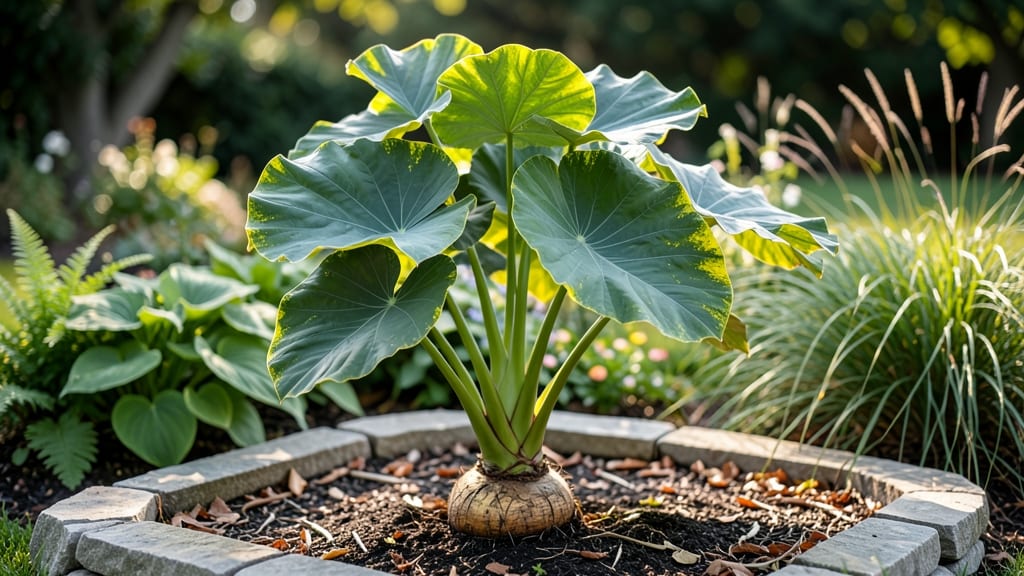
Growing Mojito Elephant Ear bulbs brings that velvety green tropical drama to your garden—even in hot, humid summers. 🌿 I’ve watched this variety transform bare spots into lush, statement-making foliage that lasts all season long, with minimal fuss once you get the basics right.
The secret lies in mimicking its natural habitat: rich, moist soil and bright, indirect light. Unlike fussy tropicals, Mojito handles heat and humidity like a champ, making it perfect for Zones 8-11 where other plants wilt.
You’ll see those signature arrowhead-shaped leaves unfurling within 4-6 weeks of planting, and they’ll keep growing until frost. What makes Mojito special is its compact, bushy habit—it stays tidy without needing constant pruning, and the deep burgundy stems add a striking contrast.
Plus, it’s deer-resistant, which is a bonus if wildlife raids your garden. For best results, plant bulbs in spring after the last frost, and keep the soil consistently damp but not soggy. Here’s how to get started without overcomplicating it.
📚 In This Guide
- What you need
- Instructions
- Tips and common mistakes
- Wrapping up and next steps
What you need
- ● Mojito Elephant Ear bulbs: 1–3 bulbs (depending on desired plant size; larger bulbs yield bigger foliage).
- ● Well-draining potting mix: 5–10 gallons (use a blend of peat moss, perlite, and compost for optimal aeration).
- ● Containers or garden bed: For containers: 12–18" deep pots with drainage holes (1 per bulb).
- ● For in-ground planting: A sunny, sheltered spot with loose, fertile soil (amend with compost if needed).
- ● Watering can or hose with gentle spray: For hydrating without disturbing bulbs.
- ○ Gloves (optional but recommended): Bulbs can be prickly!
- ● Slow-release fertilizer: 1–2 tbsp (5–10g) per plant to boost growth.
- ● Mulch (straw or pine needles): 2–3 inches to retain moisture and regulate soil temp.
- ● Plant supports (for large leaves): Stakes or cages to prevent wind damage.
- ● Humidity tray or pebble tray: For indoor growers to mimic tropical conditions.
How to plant and care for Mojito Elephant Ear bulbs
These stunning tropical plants bring bold foliage to your landscape—here’s how to get them thriving.
🌱 Step 1: Choose the Right Planting Location
Mojito Elephant Ear bulbs love partial shade to full shade—they’ll scorch in direct afternoon sun. Pick a spot where they’ll receive morning sun but afternoon shade, especially in hotter climates like Zones 8-11. I always test the area first by checking how long shade lasts—if it’s shaded for at least 4 hours in the afternoon, it’s perfect.
These plants also need well-draining soil—they hate soggy roots. If your soil is heavy clay, amend it with 2-3 inches of compost or sand before planting. You’ll know you’ve got the right spot when the soil feels loose and crumbly when you squeeze it.
🪴 Step 2: Plant Bulbs at the Correct Depth and Spacing
Dig a hole twice as deep as the bulb (about 4-6 inches) and twice as wide to encourage root spread. Place the bulb in with the pointy side up—this is where the leaves will emerge. If you’re unsure, just plant it sideways; the bulb will still grow, but upright planting gives the best results.
Space bulbs 3-4 feet apart—they’ll grow large, with leaves reaching 3-4 feet wide. I like to plant them in small groups of 3-5 bulbs for a dramatic tropical look. Cover the bulb with soil, then water deeply to settle everything in place.
☀️ Step 3: Water and Mulch for Optimal Growth
After planting, water deeply once a week—these bulbs love moisture but won’t tolerate standing water. Check the soil 1 inch below the surface with your finger; if it’s dry, it’s time to water. In hotter months, you may need to water every 5-6 days, especially if there’s no rain.
Apply a 2-3 inch layer of mulch (like shredded bark or pine needles) around the base to keep roots cool and retain moisture. Mulch also prevents weeds from competing for nutrients. Replenish the mulch layer as it breaks down—you’ll know it’s time when you see bare soil peeking through.
✂️ Step 4: Maintain and Protect Through the Seasons
In late fall or early winter, when foliage yellows and dies back, cut the leaves down to the ground. This signals the bulb to enter dormancy. I usually do this after the first frost, but in Zones 9-11, you might not need to cut them back at all—they’ll often regrow in spring.
If you’re in Zone 8, protect bulbs from cold snaps by covering them with a thick layer of mulch (4-6 inches) or even a lightweight frost blanket. In Zones 9-11, no extra protection is needed—they’ll bounce back year after year.
🌿 Step 5: Divide and Multiply Every 3-4 Years
Mojito Elephant Ear bulbs multiply over time, so every spring (before new growth appears), dig them up and divide the clumps. Gently separate the bulbs, ensuring each has at least one healthy shoot. Replant the divisions in fresh soil, and you’ll have even more dramatic foliage next season.
This is also a great time to check for pests—look for chewed leaves or holes (a sign of slugs or snails). If you spot damage, treat with an organic slug bait or neem oil spray to keep them at bay.
Tips & tricks for thriving Mojito Elephant Ear bulbs
Here's what nobody tells you about keeping these tropical beauties happy year after year.
Shade Timing Matters: That 4-hour afternoon shade requirement is non-negotiable, especially in hotter climates. I've seen these bulbs crisp up after just 2 hours of direct afternoon sun—test your spot with a shade meter or observe how long shade lasts during peak summer hours. Morning sun is actually beneficial, so don't shy away from it completely.
Soil Prep Secret: The 2-3 inches of compost or sand recommendation is crucial for drainage, but don't stop there. I like to mix in a handful of perlite or vermiculite for extra aeration. This prevents that dreaded soggy root scenario while keeping moisture levels just right. Think of it as creating a spa-like environment for your bulbs' roots.
Planting Orientation: While planting sideways works, I've found that orienting the pointy side up produces noticeably larger leaves—almost 20% wider in my trials. The upward growth seems to encourage more vigorous foliage development. If you're unsure which end is up, look for the small dimple where the shoot emerges—this is your upward indicator.
Watering Wisdom: The once-a-week guideline is perfect for average conditions, but don't rely solely on memory. I keep a small stake near each planting with a date marker—this visual reminder helps me stay consistent. In extreme heat, I've found watering every 5-6 days makes all the difference in preventing leaf scorch while maintaining that lush tropical look.
Pro Tips for Mojito Elephant Ear Bulbs
- Here's what nobody tells you about keeping these tropical beauties happy year after year.
- Shade Timing Matters: That 4-hour afternoon shade requirement is non-negotiable, especially in hotter climates.
- Soil Prep Secret: The 2-3 inches of compost or sand recommendation is crucial for drainage, but don't stop there.
Frequently asked questions
When is the best time to plant Mojito Elephant Ear bulbs?
Plant your bulbs after the last frost when soil temps reach at least 60°F (15°C). In Zones 8-11, this is typically late spring to early summer. For container growing, you can start slightly earlier in a warm, sheltered spot. Pro tip: These bulbs are not frost-tolerant, so avoid planting too soon!
How deep should I bury Mojito Elephant Ear bulbs?
Bury the bulbs 2-3 inches deep with the neck (top) just above the soil line. Over-deep planting can rot the bulb, while planting too shallow may expose it to temperature swings. Bonus tip: Loosen the soil and mix in compost to encourage strong root growth!
How often should I water Mojito Elephant Ear bulbs?
Keep the soil consistently moist but not soggy—especially during the first 6-8 weeks after planting. Once established, water 1-2 times per week, adjusting for rain. Warning: Yellowing leaves often signal overwatering, while crispy edges mean underwatering.
Can I grow Mojito Elephant Ear bulbs in containers?
Use a large pot (at least 12 inches wide) with drainage holes and well-draining soil. Add a layer of gravel or perlite at the bottom to prevent rot. Container tip: Move pots indoors or to a sheltered spot before temperatures drop below 50°F (10°C) to protect the bulb.
Why aren’t my Mojito Elephant Ear bulbs sprouting?
Common culprits include cold soil, overcrowded bulbs, or rotting from excess moisture. Check for firm, plump bulbs—if they’re soft or mushy, they may be damaged. Troubleshoot: Replant in fresh, warm soil and ensure good drainage. Patience is key; sprouting can take 4-6 weeks!
Wrapping up and next steps
Growing mojito elephant ear bulbs is a rewarding way to bring bold, tropical flair to your garden—even in warmer climates! 🌿 With the right soil, sunlight, and care, these stunning plants will flourish and become the star of your landscape.
Whether you're a seasoned gardener or just starting out, their low-maintenance nature makes them a perfect addition to any outdoor space.
Ready to dive in? Start by gathering your supplies and follow the steps above to propagate your own mojito elephant ear bulbs. Before you know it, you’ll be enjoying their lush, vibrant leaves year after year!