
Blooming
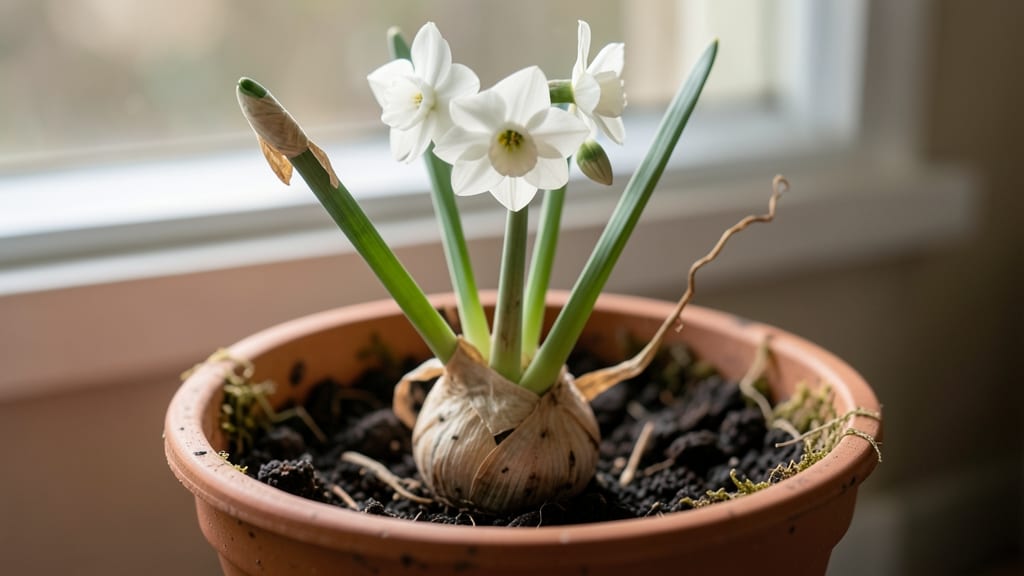
Paper white bulbs after bloom don’t have to end up in the trash—with the right care, they’ll reward you with next year’s fragrant display. 🌱 I’ve turned my spent paper whites into reliable bloomers by following a few key steps after those delicate white flowers fade.
The secret lies in letting the foliage do its job while you adjust watering and light just right.
After blooms wilt, keep the leaves—they’re the powerhouse feeding the bulb for next season. Move plants to bright, indirect light and reduce watering by half, letting the soil dry slightly between drinks.
Most gardeners make the mistake of cutting foliage too soon, which starves the bulb. Patience here pays off in stronger blooms the following winter.
By late spring, when foliage turns yellow and dies back naturally, you can replant bulbs outdoors in well-draining soil. Paper whites thrive in pots year after year, so don’t rush to discard them.
With proper care, they’ll bloom again in just 8-10 weeks—no replanting needed if you keep them indoors.
For outdoor planting, choose a sunny spot with sandy soil to prevent rot. Mulch lightly in winter to protect bulbs from freezing. The key is balance: too much water or shade, and you’ll attract pests or weaken the bulb.
Follow these steps, and you’ll enjoy fragrant blooms for years without buying new bulbs each season.
📚 In This Guide
- What you need
- Instructions
- Tips and common mistakes
- Wrapping up and next steps
What you need
- ● Paper white bulbs (after bloom) – 5–10 bulbs (adjust based on desired display size).
- ● Well-draining potting mix – 2–3 gallons (ensure it’s light, airy, and amended with perlite or sand for drainage).
- ● Container or garden bed – A pot with drainage holes (8–12 inches deep) or a sunny garden spot with loose soil.
- ○ Bone meal or bulb fertilizer – 1–2 tablespoons per bulb (optional but recommended for nutrient boost).
- ● Pruning shears or sharp scissors – For trimming foliage after blooms fade.
- ● Gloves – To protect hands while handling soil and bulbs.
- ● Watering can with a rose attachment – For gentle, even watering.
- ● Mulch (straw or shredded bark) – 1–2 inches to retain moisture and regulate soil temp.
- ● Plant labels – To track replanting dates and care notes.
- ○ Fungicide (optional) – If bulbs show signs of rot or disease.
How to care for paper white bulbs after they bloom
Here’s how I keep my paper whites thriving year after year—no guesswork, just proven steps.
🌱 Step 1: Let the Flowers Fade Naturally
Once your paper white blooms fade, resist the urge to cut them back immediately. Let the stems dry out completely on the plant—this process, called afterbloom care, helps the bulb store energy for next season. You’ll know they’re ready when the stems turn brown and crispy, usually within 2-3 weeks.
During this time, keep watering lightly—just enough to prevent the soil from drying out completely. Overwatering now can rot the bulb, while underwatering stresses it. A good rule is to water when the top ½ inch of soil feels dry to the touch. This balance ensures the bulb stays healthy while it prepares for dormancy.
🪴 Step 2: Trim and Remove Dead Foliage
After the stems have fully dried, use clean, sharp scissors to trim them back to about 1 inch above the soil line. This keeps the pot tidy and prevents mold or pests from settling in. The bulb will still have some green leaves—leave these alone. They’re the bulb’s food factory, converting sunlight into stored energy for next year’s blooms.
If the leaves start yellowing or browning before you’re ready to replant, don’t panic. This is normal as the bulb enters dormancy. Just trim the dead parts carefully, leaving the healthy green leaves intact. I like to wait until at least 60% of the leaves turn yellow before making any cuts—this ensures the bulb has absorbed as much energy as possible.
☀️ Step 3: Transition to Dormancy Conditions
Paper white bulbs need a period of dormancy to rebloom well. Move the pot to a cooler, darker spot with temperatures between 50-60°F. A basement, garage, or even a closet works perfectly. Avoid temperatures below 40°F, as this can damage the bulb. You’ll know dormancy is working when the remaining leaves eventually yellow and die back completely.
During dormancy, water sparingly—just enough to keep the soil from shrinking away from the bulb. I usually water every 4-6 weeks, or when the soil feels completely dry. Overwatering now can lead to rot, so err on the side of less water. This resting period is critical—without it, your bulbs may not produce strong blooms next season.
🌿 Step 4: Replant for Next Season’s Blooms
After 8-12 weeks of dormancy, your paper white bulb is ready to bloom again. Repot it in fresh well-draining potting mix—I like to use a mix designed for bulbs or amend regular potting soil with perlite for extra drainage. Choose a pot that’s only slightly larger than the bulb’s current container to encourage blooming rather than leaf growth.
Plant the bulb at the same depth it was growing before, with the top third of the bulb exposed above the soil. This helps prevent rot and encourages new growth. Water lightly after replanting, and place the pot in a bright spot with indirect light for the first week. Once new shoots appear, you can gradually increase light exposure to prepare for blooming season.
⏰ Step 5: Resume Care for Spring Blooms
As the weather warms and you see new growth, resume regular watering and fertilizing. Use a balanced, water-soluble fertilizer diluted to half strength every 4-6 weeks to encourage strong, healthy blooms. Place the pot in a spot with bright, indirect light—direct sun can scorch the leaves, especially in early spring.
Watch for new shoots emerging from the bulb, and you’ll know it’s ready to bloom again in 6-8 weeks. I like to rotate the pot occasionally so the plant grows evenly. With proper dormancy and care, your paper white bulbs can produce stunning blooms for 3-5 years or more, making them a fantastic long-term investment.
Tips & tricks for perfect paper white bulb revival
Reviving paper white bulbs for next season takes patience—but these little tricks make all the difference between a sad, weak rebloom and a showstopping display.
Dormancy Timing: The 8-12 week dormancy period is non-negotiable, but here's the secret: start counting from when the last leaf turns completely yellow, not when you first notice browning. I mark my calendar when I see 90% of leaves yellowed—this ensures the bulb gets its full rest. Too short, and you'll get weak stems; too long, and you risk bulb rot.
Temperature Watch: That 50-60°F range is critical, but don't panic if your basement dips below 40°F occasionally. A few days below won't harm the bulb—just avoid prolonged exposure. I've had bulbs survive brief dips to 35°F without issues, though I wouldn't make it a habit. The key is consistency in the 50-60°F zone for the majority of the dormancy period.
Replanting Depth: When repotting, use your finger to gauge depth—press the bulb into the soil until about two-thirds of it is covered. The exposed top third should be just visible above the soil line. This prevents rot while allowing the bulb to breathe. I like to use a chopstick to create holes for drainage if my mix isn't perfectly well-draining.
Pro Tips for Paper White Bulbs After Bloom
- Reviving paper white bulbs for next season takes patience—but these little tricks make all the difference between a sad, weak rebloom and a showstopping display.
- Dormancy Timing: The 8-12 week dormancy period is non-negotiable, but here's the secret: start counting from when the last leaf turns completely yellow, not when you first notice browning.
- Temperature Watch: That 50-60°F range is critical, but don't panic if your basement dips below 40°F occasionally.
Frequently asked questions
Got questions about what to do with your paper white bulbs after they’ve bloomed? You’re not alone! Here are some of the most common concerns—and straightforward answers to help you keep your garden thriving.
What should I do with paper white bulbs after they’ve finished blooming?
Once the flowers fade, don’t toss the bulbs! They need time to replenish energy for next year. Trim the faded blooms but leave the foliage intact. Let it yellow naturally (about 6–8 weeks), as this process stores nutrients back into the bulb. Only then can you replant or store them.
How long do I need to wait before replanting paper white bulbs?
Wait until the foliage turns completely yellow and withers on its own—this usually takes 6–8 weeks after blooming. Digging up bulbs too soon (like right after flowering) starves them of energy. If you’re in a colder climate, replant in autumn (6–8 weeks before frost) for best results.
Can I replant paper white bulbs in the same spot every year?
While you can replant them in the same spot, it’s best to rotate locations every 2–3 years to prevent soil depletion and pests. Paper whites thrive in well-draining soil, so amend the area with compost before replanting. If space is limited, divide the bulbs every few years to refresh growth.
What if my paper white bulbs don’t bloom next season?
Missing blooms often mean the bulbs weren’t given enough recovery time or nutrients. Check these fixes:
- Ensured full foliage yellowing before replanting.
- Used well-draining, fertile soil (they hate soggy roots!).
- Avoided overwatering or fertilizing after blooming.
- Considered dividing crowded bulbs.
Are there alternatives if I don’t want to replant paper whites?
If you’re not keen on replanting, try these options:
- Force them indoors: After blooming, keep bulbs in a cool, dark place (like a paper bag) for 8–10 weeks, then replant in pots for a late-winter display.
- Compost them: Once foliage dies back, add bulbs to your compost pile—they’ll break down naturally.
- Swap for other bulbs: Try daffodils, hyacinths, or snowdrops, which are hardier and often more forgiving.
Wrapping up and next steps
Caring for your paper white bulbs after bloom is all about patience and the right techniques! With proper revival, replanting, and maintenance, you’ll set the stage for stunning blooms next season.
Don’t let those bulbs fade into the background—give them the love they deserve, and they’ll reward you with beautiful flowers year after year.
Ready to take action? Start by assessing your bulbs today—whether it’s trimming, fertilizing, or replanting. Your garden’s next masterpiece is just a few steps away! 🌱✨