
Planting
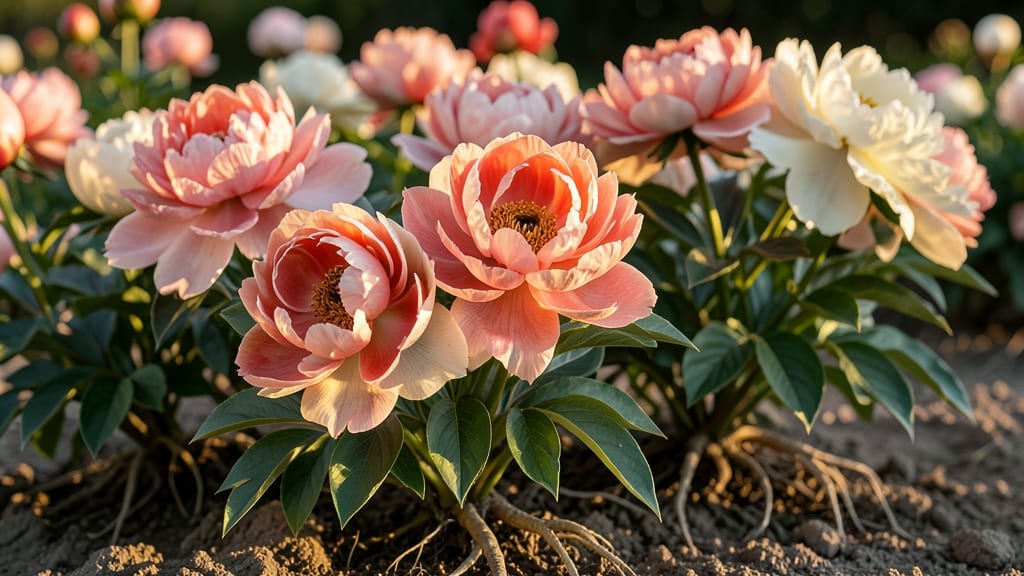
Spring is the perfect time to plant bulbs that return year after year with vibrant blooms and minimal maintenance. These 10 perennial bulbs deliver seasonal color, drought resistance, and natural beauty that thrives with almost no effort once established.
Daffodils for Early Season Sunshine
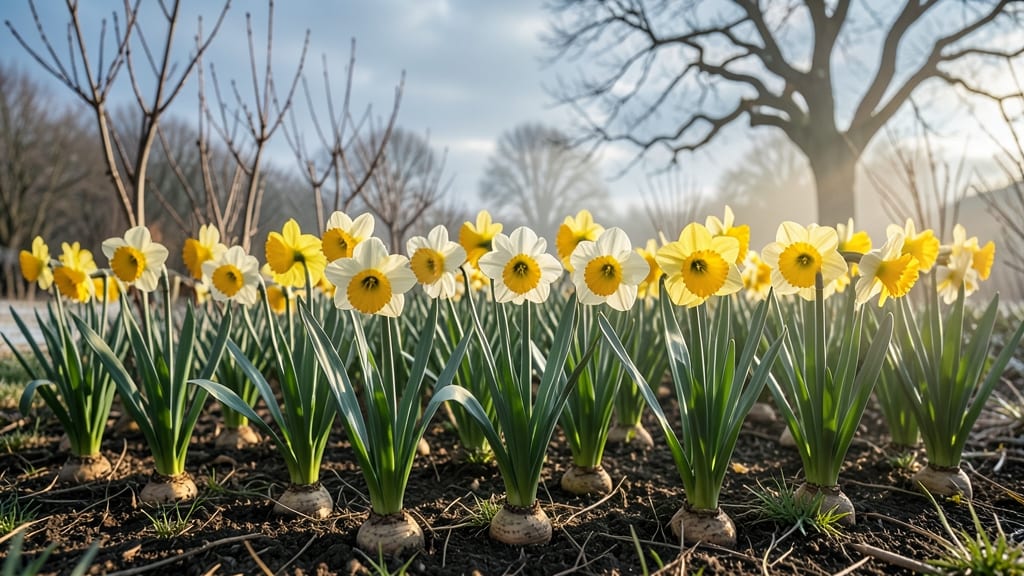
When your garden feels dormant under winter's last chill, daffodils burst onto the scene like nature's own alarm clock. Their cheerful yellow and white blooms appear as early as February in many climates, signaling that spring has truly arrived—and they do it while naturally deterring deer and squirrels from your other plants.
Plant these drought-tolerant bulbs in sunny borders or woodland edges where they'll multiply reliably year after year. For best results, set them 6 inches deep and 4-6 inches apart in well-drained soil. Their early blooms provide nectar for emerging pollinators, making them a dual-purpose early-season star.
Perfect for gardeners who want low-maintenance color that returns annually, daffodils thrive with almost no care once established. 🌱
Tulips for Bold Mid-Season Color
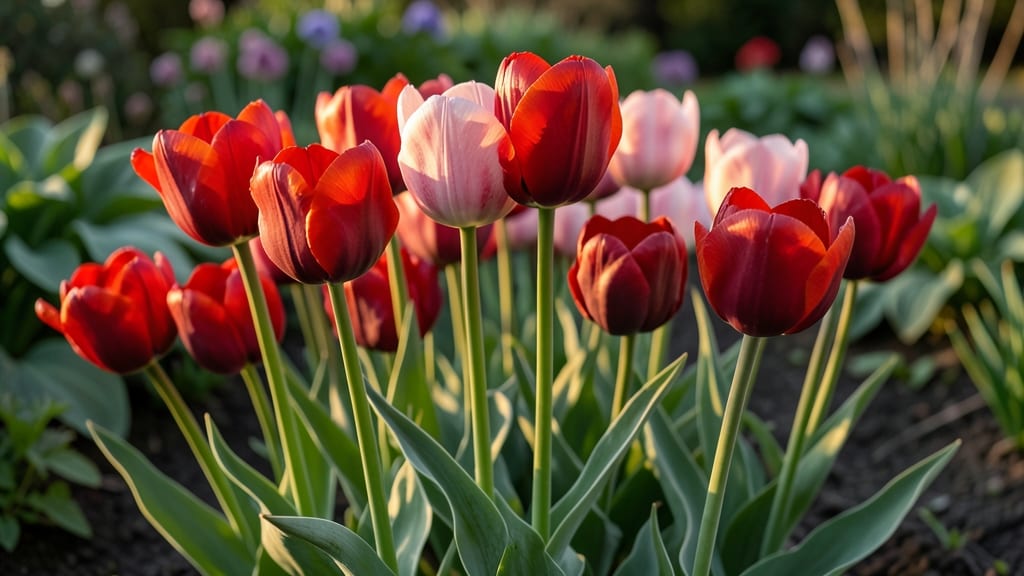
Ready to transform your garden into a mid-season showstopper? Darwin Hybrid tulips deliver oversized blooms in every color—from fiery reds to soft pinks—with stems strong enough for cutting. These aren't your grandmother's tulips; they're the bold, long-lasting stars of spring gardens.
Plant them in full sun with well-drained soil (they hate soggy feet) and watch them thrive in containers or cutting gardens. For extra longevity, deadhead spent blooms but leave foliage until it yellows—this feeds next year's flowers. Darwin Hybrids also resist wind better than other varieties, making them perfect for exposed spots.
Urban gardeners and small-space growers will love how these tulips pack maximum impact in minimal room. Their 3-4 week bloom period bridges the gap between early daffodils and late summer flowers, giving you continuous color with almost no effort. 🌻
Alliums for Dramatic Height
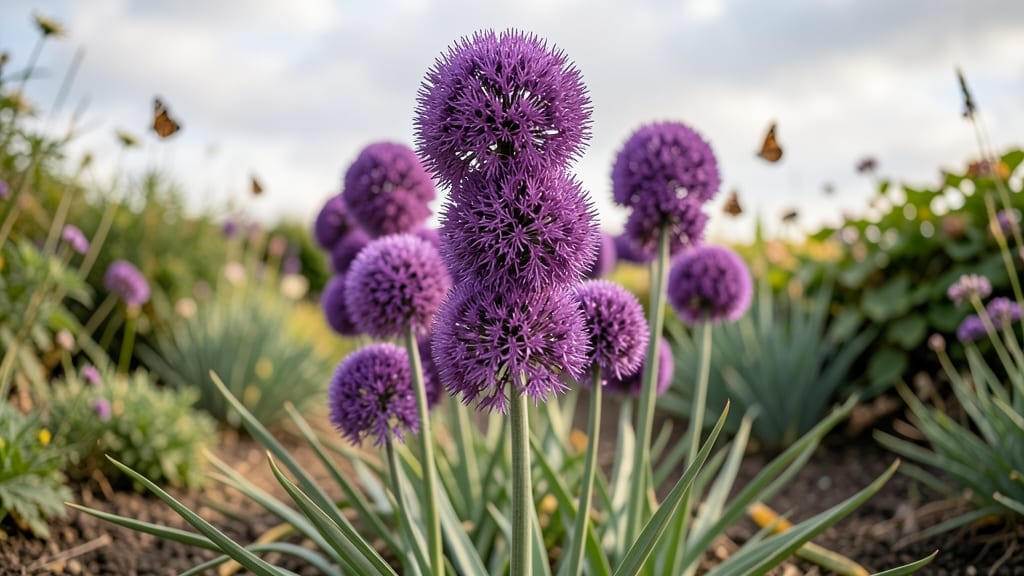
If you crave dramatic height without the fuss of tall perennials, alliums are your secret weapon. Their spherical purple blooms rise 2-4 feet tall, creating instant vertical impact in borders, pollinator gardens, or even as striking cut flowers. Unlike finicky plants, alliums thrive on neglect once planted.
Plant allium bulbs in fall (like 'Globemaster' or 'Purple Sensation') in well-drained soil with full sun to part shade. After blooming in late spring to early summer, simply cut back the seed heads and forget about them—they’ll return year after year with zero summer care. Their unique shape also makes them a bee magnet, adding functional beauty to your garden.
Perfect for busy gardeners or urban spaces, alliums deliver instant drama with minimal effort. Just plant, water occasionally, and watch them transform your garden into a pollinator paradise. 🌟
Crocus for Winter Interest
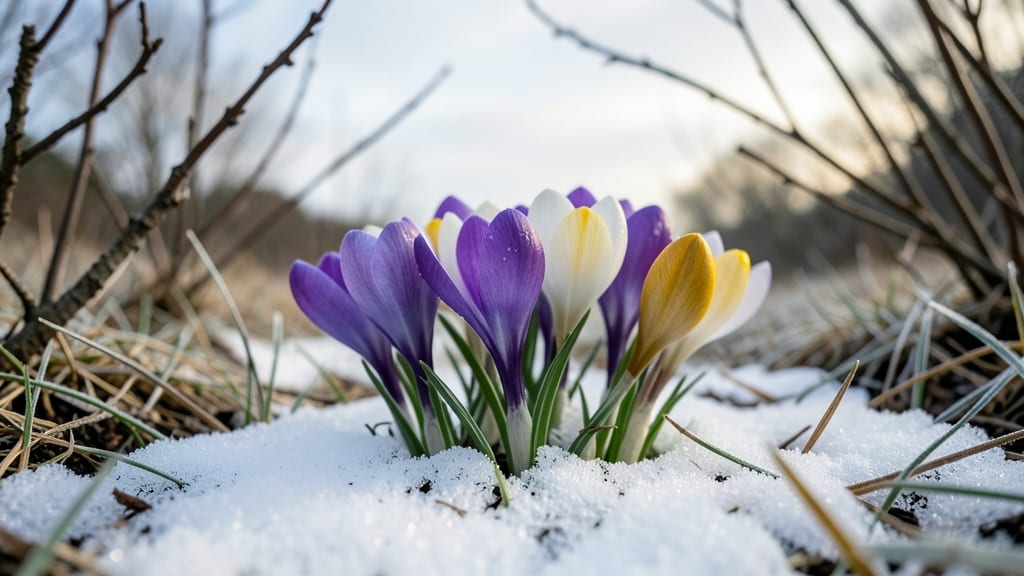
Want to beat winter blues with colorful blooms that appear before most gardens even wake up? Crocus is your secret weapon—these hardy bulbs emerge through snow to paint your landscape in cheerful purple, white, or yellow spots from late winter through early spring.
Plant them in fall (October-November) for a winter surprise, choosing well-drained soil and full sun to part shade. Most varieties thrive in USDA zones 3-8, making them perfect for cold climates. After blooming, their foliage fades naturally—no deadheading needed. Deer and squirrels usually leave them alone, too!
Ideal for rock gardens, borders, or even containers, crocus adds early pollinator support when few other flowers are available. Perfect for beginners or busy gardeners who want instant winter interest with zero fuss. 💚
Bearded Iris for Late Summer Show
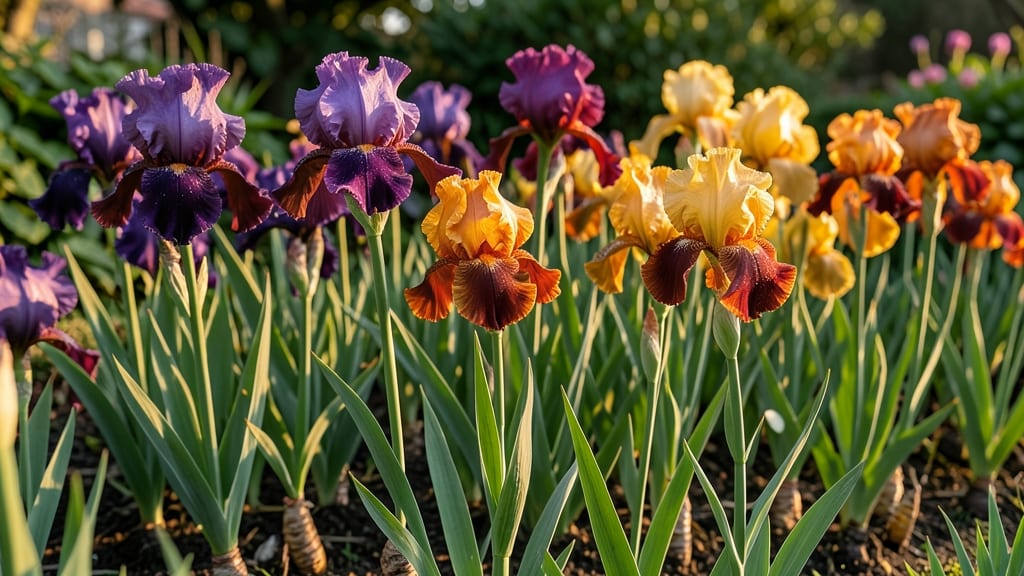
When your spring bulbs start fading but you crave more color, bearded iris steps in with a dramatic late-summer performance. These classic perennials deliver bold, ruffled blooms that last for weeks—often from July through September—while requiring almost no summer attention.
Plant the rhizomes (not bulbs) in full sun with well-drained soil, spacing them 12-24 inches apart. Their upright habit creates striking vertical accents that pair beautifully with lower perennials. Choose from over 3,000 varieties for colors ranging from deep purple to soft yellow, with many reblooming annually.
Perfect for gardeners who want low-maintenance color after the spring rush, iris thrives in USDA zones 3-9 and multiplies naturally over time. Just divide clumps every 3-4 years to keep them vigorous. 🌻
Lily of the Valley for Fragrant Shade
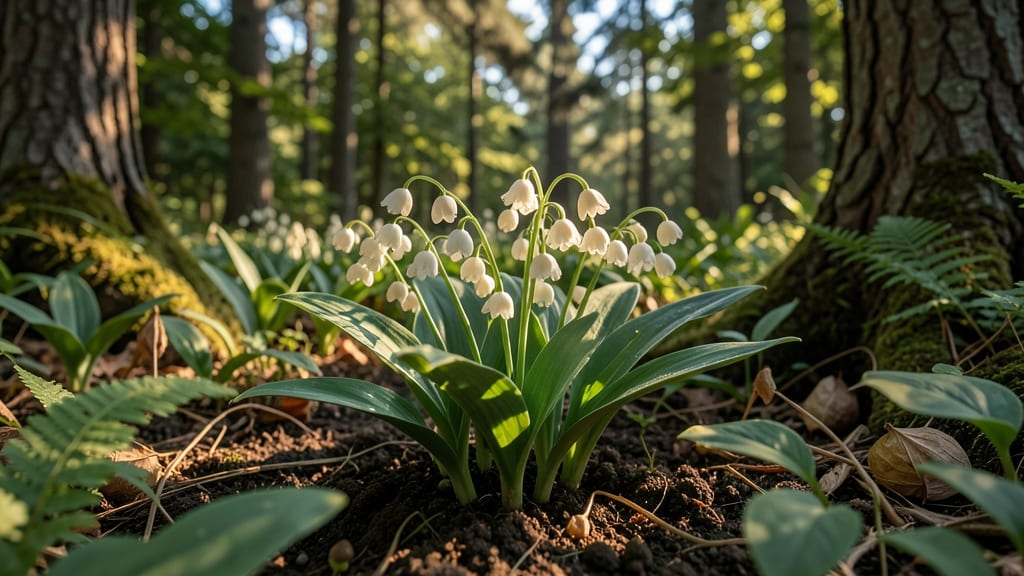
If your garden has shady spots where most bulbs refuse to bloom, lily of the valley is your secret weapon. This classic woodland plant thrives under tree canopies, producing delicate white bells with a heavenly fragrance that fills the air in late spring.
Plant the small bulbs 2-3 inches deep in well-drained, moist soil during early spring or fall. Once established, it spreads aggressively through underground runners, creating a dense, fragrant carpet that suppresses weeds naturally. The fragrant blooms attract pollinators while repelling deer, making it a dual-purpose plant for shaded areas.
Perfect for beginners or gardeners with limited sun, lily of the valley transforms difficult spaces into fragrant, low-maintenance beauty with almost no effort. 🌿
Daylilies for Heat Tolerance
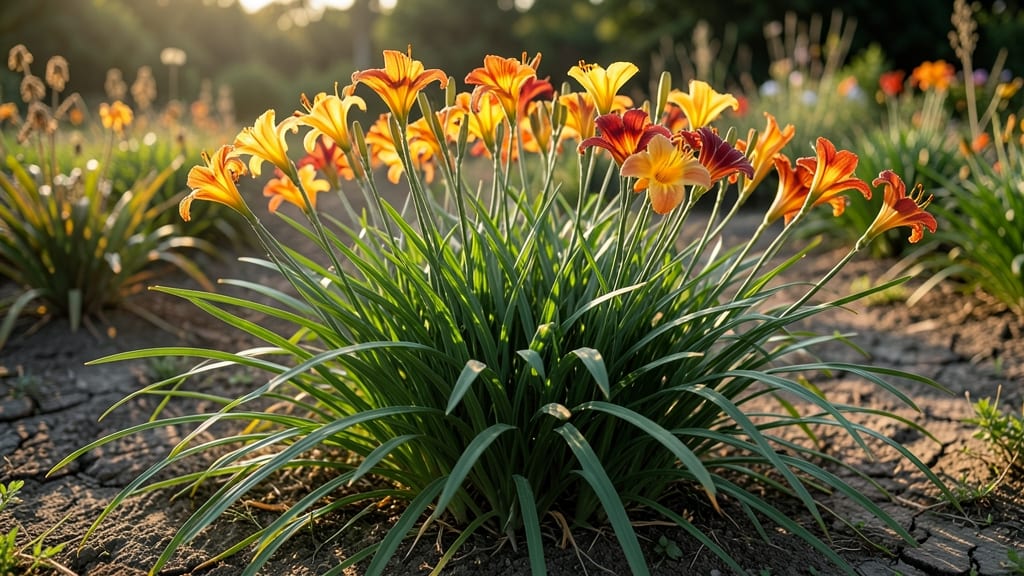
If your garden struggles with heat waves and dry spells, daylilies (Hemerocallis) are the unsung heroes you need. These hardy perennials deliver vibrant blooms in orange, yellow, or red while demanding almost no water once established—perfect for sunny borders that others avoid.
Unlike traditional bulbs, daylilies grow from rhizomes that spread underground, creating clumping growth that thrives in poor soil and full sun. Plant them in spring for summer blooms that last 4-6 weeks, with some varieties reblooming in fall. Their strap-like foliage stays green all season, adding texture even when not in bloom.
Urban gardeners and beginners will love how daylilies repel deer and require zero summer care. Just mulch lightly to retain moisture, and watch them multiply effortlessly year after year. 🌻
Fritillaria for Unique Checkered Blooms
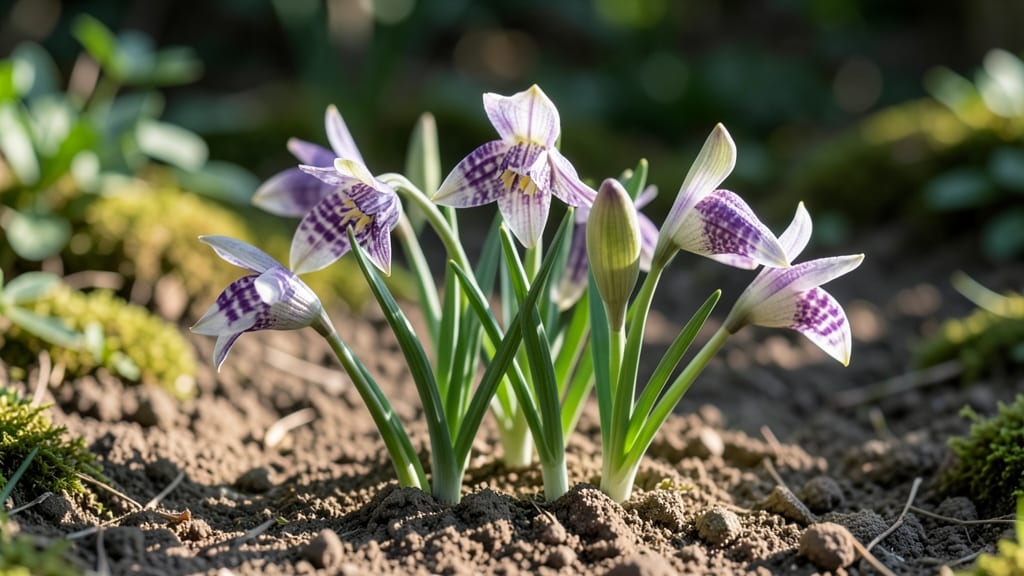
Want to add a touch of whimsy to your garden that feels like a secret from a fairy tale? Fritillaria bulbs deliver checkered bell-shaped blooms in shades of purple, white, and green that look like they belong in a storybook. These exotic beauties thrive in well-drained soil and partial shade, making them perfect for cottage gardens where their unusual patterns create conversation.
Plant Fritillaria imperialis (also called crown imperial) in early spring after the last frost, burying the bulb just 2-3 inches deep. Their fragrant, nodding flowers appear in late spring, followed by striking seed pods that add texture to the garden. Unlike many bulbs, fritillarias prefer moist but not soggy soil—ideal for woodland edges or under deciduous trees where they get dappled sunlight.
Cottage gardeners and those who love unexpected textures will adore how these bulbs stand out. Pair them with alliums or tulips for a magical spring display that feels both wild and intentional. 🌷
Hosta for Shade-Loving Foliage
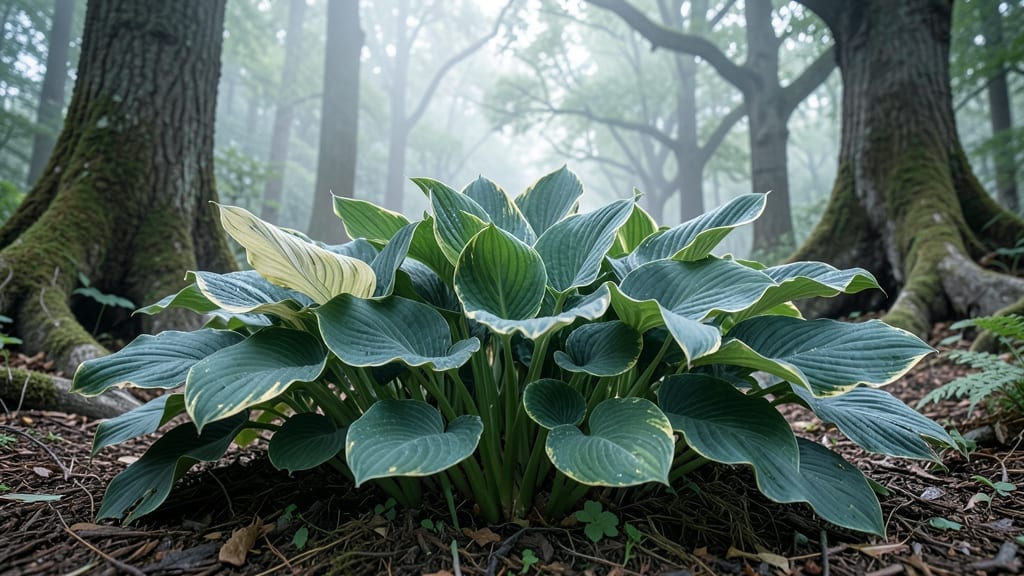
If your garden has shady spots where bulbs struggle, hosta tubers are your secret weapon for lush, year-round texture. Unlike traditional bulbs, hostas deliver bold foliage in shades of green, blue, or variegated patterns that thrive under dappled shade or full shade conditions—perfect for woodland gardens or north-facing beds.
Plant these low-maintenance perennials in spring after the last frost, spacing them 12-24 inches apart in well-draining soil. Hostas reward you with minimal seasonal changes, keeping their striking foliage vibrant from spring through fall. Their deer-resistant nature makes them ideal for problem areas, while their ability to spread creates a natural carpet of color.
Urban gardeners and shade gardeners will love how hostas fill empty spaces without needing sun. Just keep soil consistently moist during their first growing season for the fastest establishment. 🌿
Peony for Luxurious Garden Focal Point

Transform your garden into a timeless romance with peonies—the queen of spring blooms that deliver decades of drama with minimal effort. Unlike annuals, peonies reward patience by returning year after year, their fragrant, lush blooms becoming the centerpiece of any landscape.
Plant peony roots in early spring when soil reaches 50°F (10°C), ensuring they get 6-8 hours of full sun for the boldest blooms. Space them 3-4 feet apart to allow their foliage to flourish, and amend heavy clay soil with compost for optimal drainage. Once established, they thrive with minimal care—just deadhead spent blooms and mulch annually to protect roots.
Perfect for cottage gardens, wedding borders, or cutting gardens, peonies bring old-world elegance that no other perennial matches. Their long vase life and intoxicating scent make them a gardener's dream—ideal for those who want lasting beauty with almost no upkeep. 🌟