
Planting
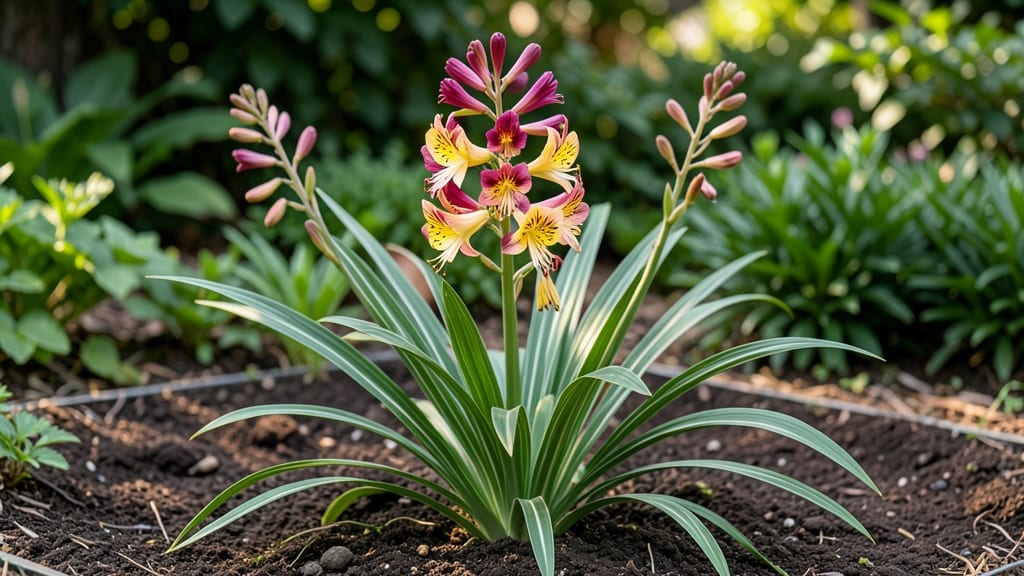
Planting Peruvian lily bulbs unlocks six months of trumpet-shaped blooms that outshine most perennials. 🌸 I’ve grown them in Zone 9 for years, and they’ve never failed—drought, heat, or neglect barely phases them. The secret lies in their shallow roots and thirst for sun, not fuss.
These bulbs thrive in well-draining soil mixed with sand or gravel, mimicking their native Andean hillsides. Plant them 2–3 inches deep in early spring or fall, spacing them 6–12 inches apart for that lush, border-friendly look. Water lightly after planting, then let nature take over—they’re surprisingly drought-tolerant once established.
By midsummer, you’ll be cutting stems for bouquets that last 10+ days in vases, their colors ranging from fiery orange to deep purple. The foliage stays tidy, too, so no messy cleanup. Just snip spent blooms to encourage more flowers until frost.
Perfect for containers, cottage gardens, or cutting gardens—they even rebound after being dug up. Here’s how to keep them blooming year after year without the drama.
📚 In This Guide
- What you need
- Instructions
- Tips and common mistakes
- Wrapping up and next steps
What you need
- ● Peruvian lily bulbs: 3–5 bulbs (choose healthy, firm ones with no soft spots).
- ● Well-draining potting mix: 2–3 gallons (or garden soil amended with compost for in-ground planting).
- ○ Containers (optional for pots): 12–16" diameter pots with drainage holes (or a garden bed in Zones 8–10).
- ● Slow-release fertilizer: 1 tbsp (5g) per plant (10-10-10 or similar).
- ● Mulch: 2–3 inches of organic mulch (straw or shredded bark) to retain moisture.
- ● Garden trowel or bulb planter (for digging).
- ● Watering can or hose with a gentle nozzle (avoid overwatering!).
- ○ Gloves (optional)—Alstroemeria can be prickly!
- ○ Stakes or support (optional)—if planting in windy areas.
Step-by-step guide to planting and caring for Peruvian lily bulbs
These drought-tolerant beauties thrive in warm climates—here’s how to plant them for maximum impact.
🌱 Step 1: Choose the Right Planting Location and Time
Peruvian lilies love full sun—at least 6 hours daily—and well-draining soil. I always pick a spot with afternoon shade if your summers hit 95°F or hotter, to prevent bulb stress. Plant in early spring, just as new growth appears above ground, or in fall after the first frost in your area.
Dig a hole 3-4 inches deeper than the bulb’s height and twice as wide to encourage root spread. Loosen the soil at the bottom—Peruvian lilies hate compacted roots. If your soil drains poorly, mix in a handful of coarse sand or perlite to improve aeration.
🌿 Step 2: Plant Bulbs Correctly for Strong Growth
Place the bulb with its pointed end facing up—this ensures the stem grows straight and avoids stunted blooms. Space bulbs 12-18 inches apart for single-stemmed varieties or 24 inches apart if you want clusters. I like to plant them in groups of 3-5 for a dramatic, natural look.
Cover the bulb with soil, pressing gently to remove air pockets but not compacting. Water deeply right after planting to settle the soil and encourage root development. Avoid overwatering now—Peruvian lilies are drought-tolerant once established, but they need consistent moisture during their first 4-6 weeks.
☀️ Step 3: Provide Optimal Water and Light Conditions
Water your Peruvian lilies once a week during the first growing season, allowing the top 2 inches of soil to dry out between waterings. Once established, they thrive on drought conditions—overwatering is the fastest way to rot these bulbs. Mulch lightly with 2-3 inches of organic matter (like shredded bark) to retain moisture and suppress weeds.
These plants need bright, direct sunlight to produce their signature trumpet-shaped blooms. If you notice stems stretching or leaves turning pale, move them to a sunnier spot immediately. In Zone 9-10, they may rebloom if given proper care—just deadhead spent flowers to encourage new growth.
✂️ Step 4: Support and Maintain for Long-Term Blooms
As stems grow, they’ll need support—especially in windy areas. I use 3-foot bamboo stakes or small metal cages to keep them upright. Tie stems loosely with soft plant ties or strips of fabric to avoid damaging the delicate stems. This prevents breakage and ensures those bold blooms reach their full potential.
After flowering, leave the foliage intact until it turns yellow naturally—this process recharges the bulb for next year’s blooms. Cut back dead stems but avoid removing leaves until they’ve fully browned. In Zone 8, you may need to dig up and store bulbs in winter, while Zones 9-10 can leave them in the ground year-round.
⏰ Step 5: Overwintering and Year-Round Care
In Zone 8, lift bulbs after the first frost and store them in a cool, dry place (50-60°F) until spring. Wrap them in newspaper or place them in a mesh bag to allow airflow. In Zones 9-10, mulch heavily with 4-6 inches of straw or leaves to protect roots during occasional cold snaps.
Peruvian lilies are low-maintenance once established, but I always fertilize lightly in early spring with a balanced, slow-release fertilizer. Avoid high-nitrogen feeds—these bulbs prefer phosphorus and potassium for strong blooms. With proper care, they’ll reward you with 3-5 foot tall stems and dramatic flowers for years.
Tips & tricks for thriving Peruvian lily bulbs
Here's what nobody tells you about getting those showstopping blooms—small details that make all the difference.
Soil Secrets: The key to happy Peruvian lilies isn't just drainage—it's aeration. After digging your 3-4 inch deep holes, I like to add a handful of coarse sand or perlite to the bottom layer before placing the bulb. This creates a natural air pocket that prevents rot, especially in clay-heavy soils. Think of it as giving your bulbs a breath of fresh air from day one.
Timing is Everything: For Zone 8-10 gardeners, the 6 hours of daily sun requirement is non-negotiable, but timing matters too. I plant mine in early spring when soil temps hit 60°F—this triggers consistent growth without shocking the bulbs. In fall, wait until after your first frost to avoid premature dormancy. The 4-6 week moisture window after planting is critical too—this is when roots establish themselves before the drought tolerance kicks in.
Support System: Those 3-5 foot tall stems need more than just stakes—they need the right kind. I've found that 3-foot bamboo stakes work beautifully, but for windy areas, I double up with metal cages>. The secret is tying stems loosely with fabric strips rather than wire. Wire cuts into the delicate stems as they grow, while fabric allows for natural expansion without damage. Trust me on this—your blooms will thank you.
Overwintering Hack: For Zone 8 gardeners, the 50-60°F storage temp is crucial, but airflow is just as important. I store my bulbs in mesh bags> rather than sealed containers. This prevents moisture buildup that leads to mold. Place a small piece of chalk in the bag to absorb any excess moisture—it works like a charm and keeps your bulbs fresh until spring planting.
Pro Tips for Peruvian Lily Bulbs
- Here's what nobody tells you about getting those showstopping blooms—small details that make all the difference.
- Soil Secrets: The key to happy Peruvian lilies isn't just drainage—it's aeration.
- Timing is Everything: For Zone 8-10 gardeners, the 6 hours of daily sun requirement is non-negotiable, but timing matters too.
Frequently asked questions
Got questions about growing Peruvian lily bulbs? You’re not alone! Here are answers to the most common ones—so you can grow these stunning, trumpet-shaped blooms with confidence.
When is the best time to plant Peruvian lily bulbs in my area?
For USDA Zones 8-10, plant bulbs in early spring (after the last frost) or late summer (6-8 weeks before the first frost). In warmer zones, fall planting works too—just ensure soil temps are above 60°F (15°C) to prevent rot. Pro tip: Mulch lightly to protect bulbs in winter!
Can Peruvian lilies survive winter in colder zones (7 or below)?
While they thrive in Zones 8-10, Peruvian lilies are tender bulbs and may not survive freezing temps. In colder zones, treat them as annuals or dig up bulbs after blooming, store them dry, and replant next spring. A greenhouse or container with winter protection can extend their lifespan!
How do I encourage bigger, showier blooms?
For bold, trumpet-shaped flowers, plant bulbs in full sun (6+ hours daily) and well-draining soil. Feed with a balanced bulb fertilizer (like 10-10-10) at planting and again in spring. Pro tip: Deadhead spent blooms to redirect energy to bulb growth!
Why aren’t my Peruvian lily bulbs blooming?
Common culprits: too much shade, overcrowded bulbs, or poor drainage. Ensure bulbs get sunlight and space (plant 6-12” apart). If soil stays soggy, amend with compost or sand. Patience! Bulbs may take 1-2 years to bloom after planting.
What are some low-maintenance alternatives to Peruvian lilies?
If you want drought-tolerant, bold blooms with less fuss, try:
- Dahlias (Zones 8-10, stunning variety)
- Canna lilies (tropical, thrives in heat)
- Daylilies (hardy, repeat blooms)
- Agapanthus (drought-resistant, architectural)
Wrapping up and next steps
Growing Peruvian Lily bulbs in USDA Zones 8-10 is a rewarding way to add dramatic, trumpet-shaped blooms to your garden with minimal fuss! 🌸 Their drought tolerance and striking colors make them a standout choice for sunny landscapes.
Whether you're a seasoned gardener or just starting out, these bulbs are a low-maintenance way to elevate your outdoor space.
Ready to transform your garden? Start by selecting healthy bulbs, prepping your soil, and planting them in well-draining spots. Once they’re in the ground, sit back and enjoy the show—your Peruvian Lilies will thank you with vibrant blooms year after year! 🌿✨