
Flowers
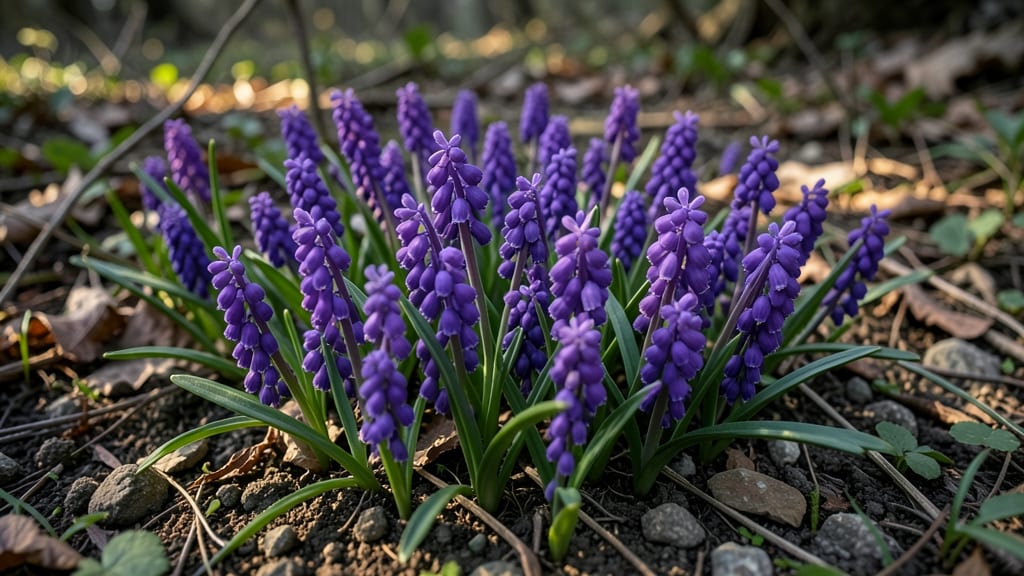
Transform dull shady garden corners into vibrant purple havens with these 10 hardy bulb flowers. Their unique shades and long bloom cycles bring color when other plants struggle, making them essential for low-light gardeners.
Grape Hyacinth Muscari armeniacum
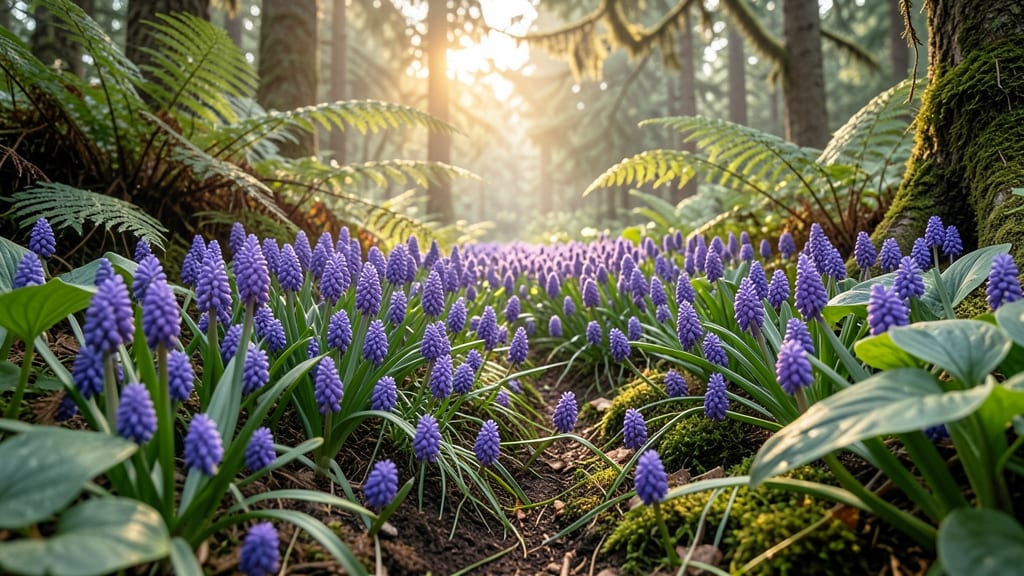
Imagine a woodland garden where purple cascades of tiny flowers spill across the ground like spilled jewels—grape hyacinth (Muscari armeniacum) delivers exactly that. This shade-loving bulb thrives where sunlight is scarce, rewarding you with dense, grape-shaped clusters that naturalize over time into a lush, self-sustaining carpet.
Plant bulbs 6 inches deep and 4 inches apart in fall (September–October) under deciduous trees or shrubs. Once established, they spread effortlessly, filling gaps with vibrant purple blooms from late spring to early summer. Their fragrant, pollinator-friendly flowers also deter deer, making them a low-maintenance superstar for shady spots.
Perfect for woodland gardeners, beginners, and urban balcony planters, grape hyacinths bring drama without the fuss. Pair them with ferns or hostas for a year-round purple-and-green dream. 💚
Cyclamen hederifolium Woodland Cyclamen
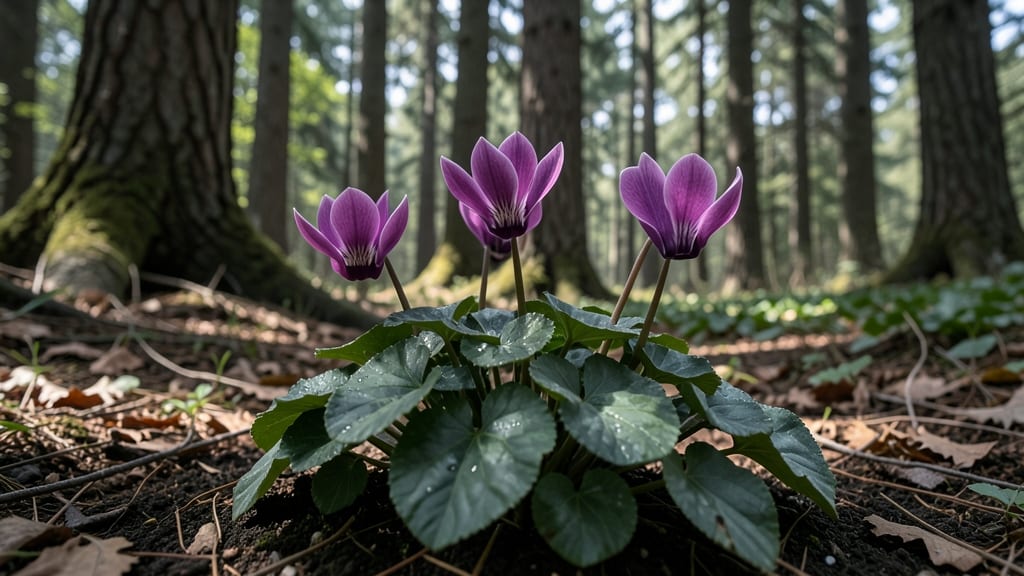
If you’ve ever struggled to find purple bulbs that thrive in deep shade, Woodland Cyclamen (Cyclamen hederifolium) is your secret weapon. Unlike sun-loving bulbs, this native woodland beauty blooms cheerfully in dappled light or even full shade, making it ideal for under trees or north-facing beds.
Its heart-shaped, marbled leaves emerge in fall and persist through winter, while delicate lavender-purple flowers appear in early spring, often before snow melts. Plant bulbs just below soil level in well-draining, humus-rich soil—no summer watering required once established. Deer and rabbits typically avoid them, and they self-seed gently for naturalized drifts.
Perfect for woodland gardeners, shade-loving beginners, or anyone craving early spring color without the fuss, this cyclamen brings magic to forgotten corners. 💚
Fritillaria meleagris Snake’s Head Fritillary
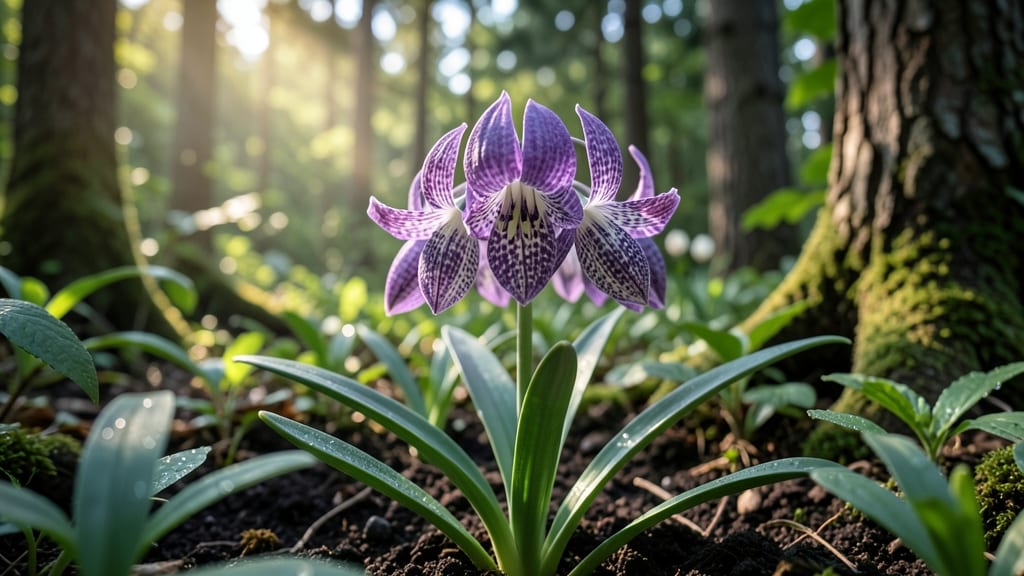
Want to add a touch of exotic drama to your shady garden without sacrificing blooms? The Fritillaria meleagris, or Snake’s Head Fritillary, delivers with its striking checkered purple petals—like a living piece of art. These bulbs thrive where others fail, flourishing in moist, shady spots that would drown most plants.
Plant them in spring or fall under trees or along borders, ensuring well-draining soil mixed with compost. Their late spring blooms (April–May) attract bees and hummingbirds, while their unique foliage adds texture year-round. Perfect for cottage gardens, they naturalize slowly but reward patience with clusters of bell-shaped flowers that nod gracefully in the breeze.
Cottage gardeners and woodland enthusiasts will love this bulb’s drought-tolerant once established and deer-resistant nature. It’s the secret weapon for adding whimsical charm to forgotten corners. ✨
Allium Purple Sensation Ornamental Onion
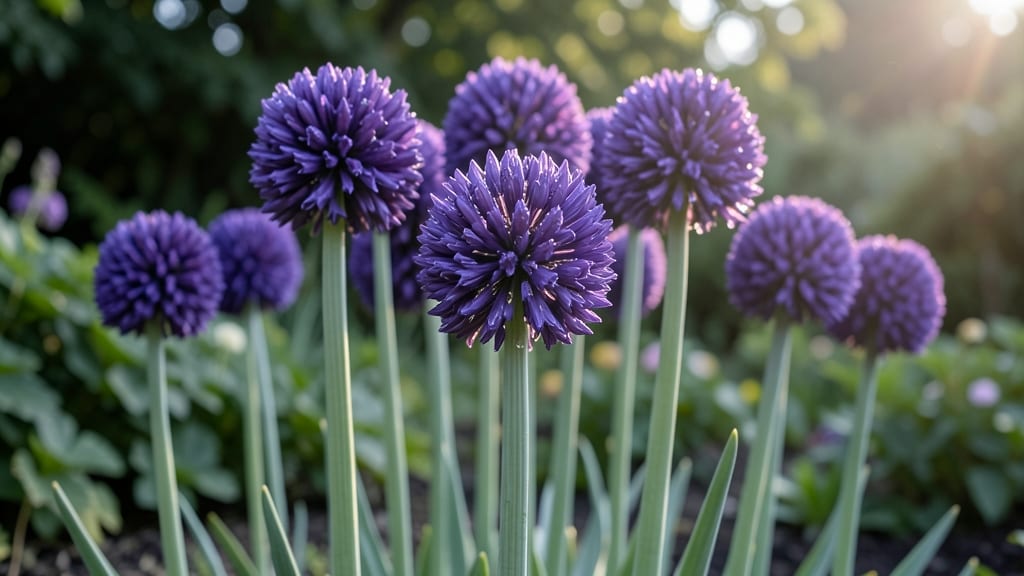
Want to add dramatic height to your shady borders without the fuss of full-sun plants? Allium Purple Sensation delivers globe-shaped purple blooms that look like oversized flowers on sturdy stems, reaching 2-3 feet tall—perfect for cutting gardens or back-of-border statements.
This ornamental onion thrives in partial shade to full shade, making it ideal for woodland gardens, north-facing beds, or under trees. Plant bulbs in fall (6-8 weeks before frost) in well-draining soil, and enjoy late spring to early summer blooms that last 4-6 weeks. The deep purple spheres contrast beautifully with silver foliage or yellow perennials like black-eyed Susans.
Cutting garden lovers will adore its long-lasting stems—10-14 days in a vase—while pollinators flock to the abundant nectar. It’s the easy-care superstar for gardeners who want bold color without the maintenance of sun-loving bulbs. 🌻
Erythronium revolutum Revolute Dog’s Tooth Violet
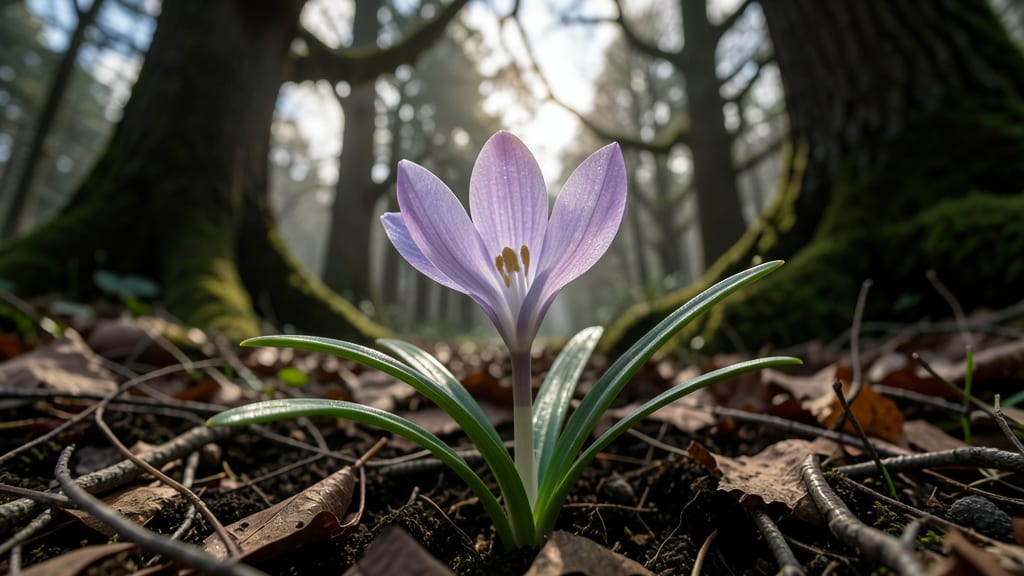
If you’ve ever struggled to find bulbs that thrive in the deepest shade under towering trees, Erythronium revolutum is your answer. This underrated gem produces soft purple blooms with backward-curving petals that stand out like a whisper of spring magic in the gloomiest corners of your garden.
Perfect for woodland gardens, it blooms in early spring when few other plants are awake, and its dark green, mottled leaves add texture long after the flowers fade. Plant bulbs 3-4 inches deep in well-draining soil under deciduous trees—their shade is ideal, and they’ll reward you with year-round interest as leaves persist into summer.
This bulb is a game-changer for gardeners with shady, difficult spaces, offering both beauty and resilience. 🌷
Scilla siberica Siberian Squill
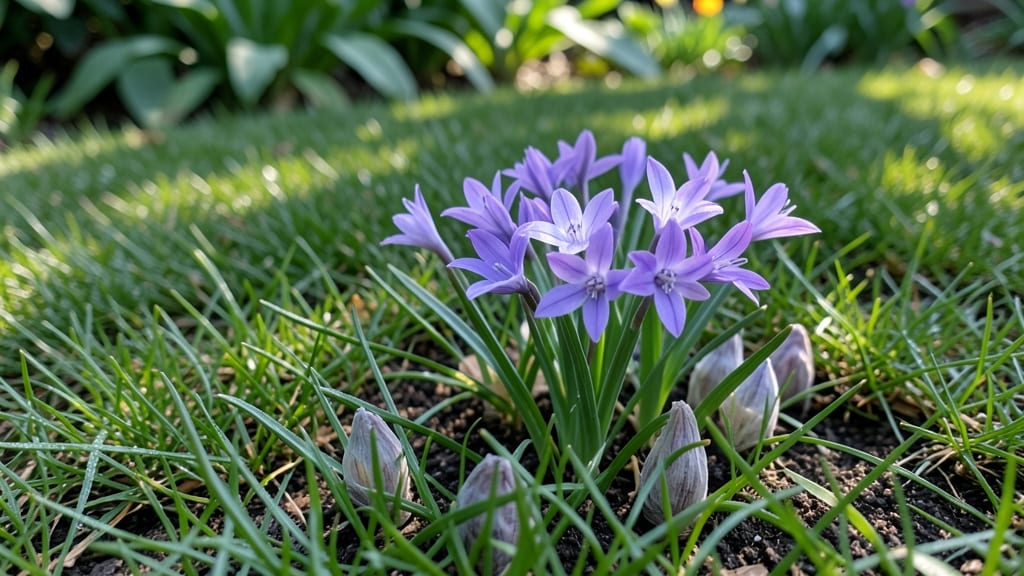
Looking for a low-maintenance way to brighten up shady lawns or garden edges? Scilla siberica, or Siberian squill, delivers cheerful star-shaped purple blooms that pop against green grass in early spring—often before most other bulbs even wake up.
This hardy bulb thrives in partial to full shade, making it perfect for tucked-away spots like under shrubs or between stepping stones. Plant bulbs 3-4 inches deep in fall, and watch them naturalize aggressively over time, creating a self-sustaining carpet of color. They’re also deer-resistant, so they’ll survive where other plants might get munched.
Ideal for beginners and busy gardeners, Siberian squill requires almost no care once established—just a little water during dry spells. It’s the secret weapon for filling gaps and adding early-season drama without the fuss. 🌻
Chionodoxa luciliae Glory of the Snow
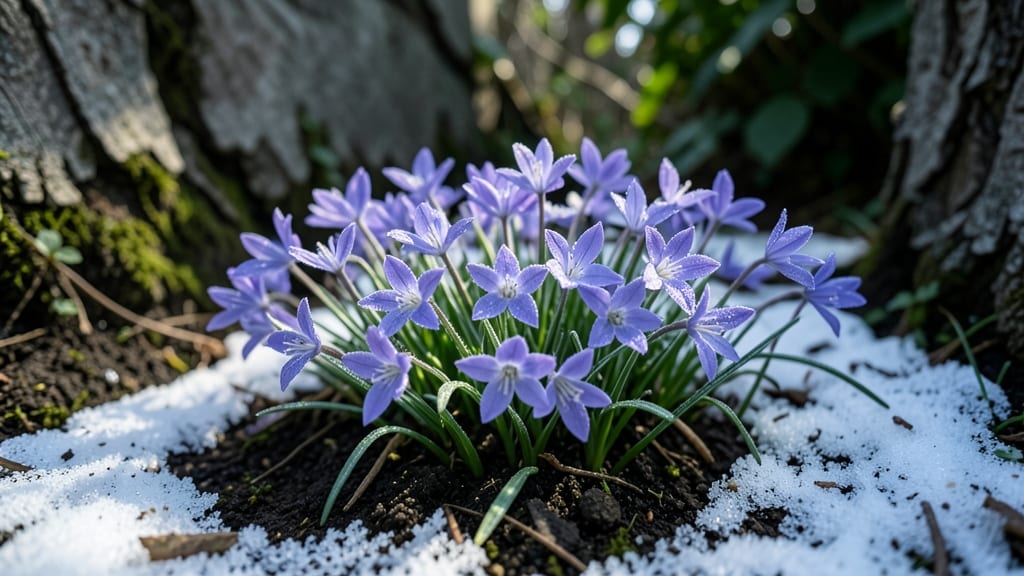
When late winter feels like the most colorless time of year, Glory of the Snow (Chionodoxa luciliae) arrives like a purple surprise. These tiny, star-shaped blooms push through snow and frost to create pockets of vibrant color in shady corners where few other plants dare to grow.
Plant them in containers or along woodland edges for a burst of early spring cheer, as they thrive in partial to full shade with well-draining soil. Their 3-4 week bloom window (typically March-April) makes them perfect for brightening up dark corners before spring bulbs take over. Since they multiply over time, you’ll get more blooms each year with minimal effort.
This bulb is a must-have for urban gardeners with limited light or anyone who wants to extend their garden’s season. Just plant them shallowly (2-3 inches deep) and watch them transform bare spots into cheerful purple displays. 🌟
Brodiaea laxa Harvest Brodiaea
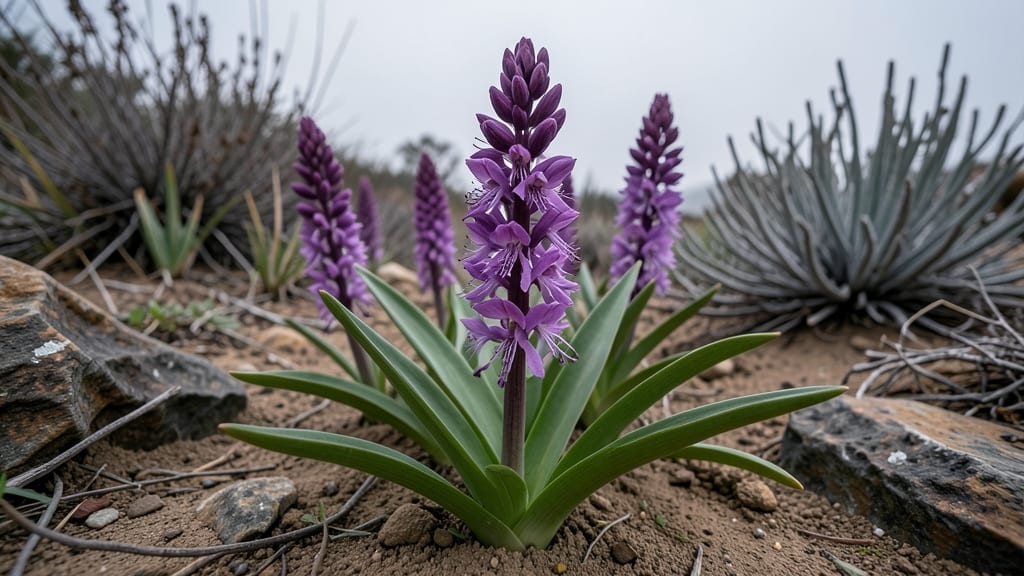
When other bulbs wilt in dry shade or coastal winds, Brodiaea laxa stands tall with its dramatic purple flower spikes. This native California beauty thrives where moisture is scarce and sun is limited, making it the perfect solution for challenging garden spots.
Plant bulbs in late summer or fall at a depth of 4-6 inches, spacing them 3-4 inches apart in well-draining soil. The late summer bloom (July-August) provides color when many gardens are dormant, and its drought-tolerant nature means almost no watering once established. The slender leaves and striking vertical blooms add architectural interest to dry gardens or coastal landscapes.
Perfect for gardeners with tough spots to fill, this bulb brings drama without fuss. 🌻
Iris histrioioides Dwarf Purple Iris
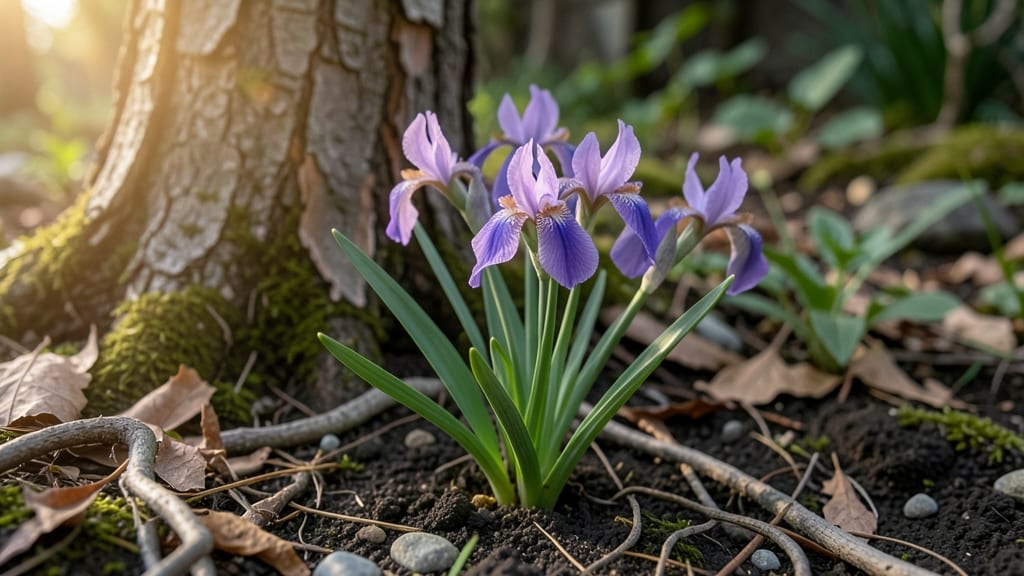
If you love the classic iris look but lack space for towering varieties, Iris histrioioides delivers all the elegance in miniature form. This dwarf purple iris thrives in shady spots where most bulbs refuse to grow, making it a game-changer for rock gardens, woodland edges, or tight urban courtyards.
With delicate lavender-purple blooms on 12-inch stems, it spreads gradually over time, creating natural drifts without becoming invasive. Plant the rhizomes in well-draining soil with partial shade, and water moderately once established. Unlike its taller cousins, this iris tolerates dry shade and even rocky soil, perfect for areas where other plants struggle.
Urban gardeners and small-space enthusiasts will appreciate how this iris adds early spring color without demanding attention. Its compact size and woodland charm make it ideal for filling gaps between stepping stones or lining shady pathways. 🌷
Muscari botryoides Spanish Bluebell

Tired of shady spots that refuse to bloom? The Spanish Bluebell (Muscari botryoides) turns neglected corners into lush purple displays with minimal effort. Unlike traditional bluebells, this variety thrives in poor soil and spreads aggressively, creating dense clusters that naturalize like wildflowers.
Its longer bloom season (late spring through early summer) gives you weeks of grape-like purple flowers that attract bees and butterflies. Plant bulbs in partial to full shade and watch them multiply yearly—ideal for borders, woodland gardens, or even under trees where other plants struggle.
Perfect for low-maintenance gardeners, this bulb adds drama without fuss, making it a standout choice for purple lovers who want effortless color. 🌱