
Propagation
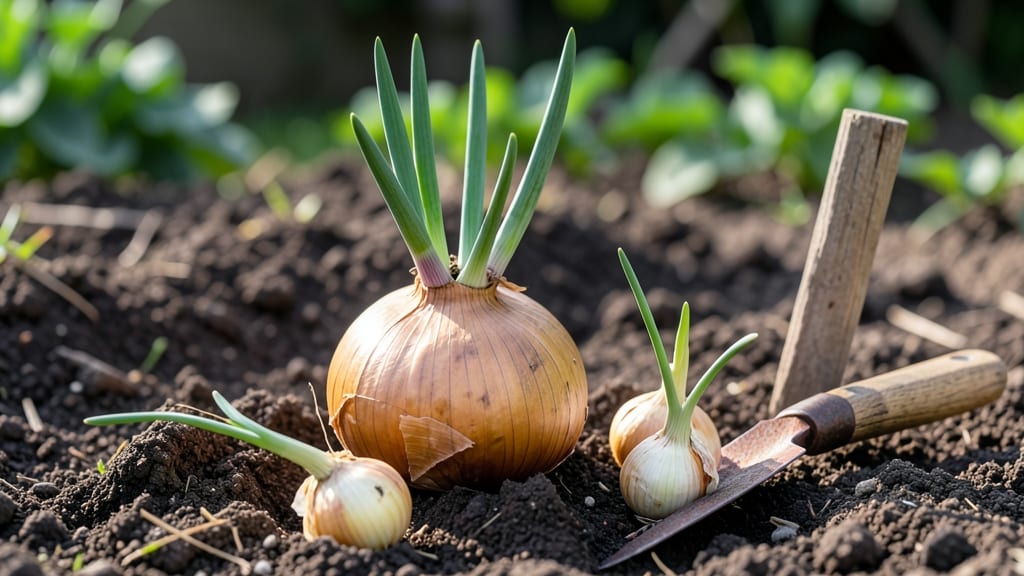
My kitchen countertop now grows green onions faster than I can use them—no soil required. 🌱 Raising onions from bulbs is one of those gardening hacks that feels like magic until you try it once.
The process is simple, and the results are crisp, fresh green onions ready to harvest in just a few weeks.
All you need is a store-bought onion bulb, a shallow container, and water. No fancy tools or garden space—just a sunny windowsill. The key is keeping the water level just right: enough to cover the roots but not drown the bulb.
Within days, you'll see those feathery green shoots emerge, and they grow fast.
By week three, you'll have harvestable green onions that taste sweeter than store-bought. The best part? You can snip what you need and keep regrowing the same bulb for months. It's like having a never-ending supply of fresh herbs without the upkeep of a full garden.
Perfect for small spaces, busy cooks, or anyone who wants to cut grocery costs. Here's how to get started—and avoid the common mistakes that can stall growth.
📚 In This Guide
- What you need
- Instructions
- Tips and common mistakes
- Wrapping up and next steps
What you need
- ● Onion bulbs: 3–5 medium-sized, organic green onions (store-bought or homegrown). Choose bulbs with at least 2 inches of healthy green tops still attached.
- ● Water: 1–2 cups of room-temperature or slightly warm water (chlorine-free if possible). Tap water is fine—just let it sit out for 24 hours if chlorinated.
- ● Container: A small glass or jar (8–12 oz, like a mason jar or ramekin).
- ● OR a shallow dish (like a saucer) with at least 1–2 inches of water depth.
- ○ Scissors or knife: A clean pair to trim the onion bulbs (optional but helpful for shaping).
- ● Natural light source: A sunny windowsill (south-facing is ideal) or a grow light (LED or fluorescent) for 6–8 hours/day.
- ● Organic fertilizer: A pinch of seaweed extract or diluted fish emulsion (1 tsp per gallon of water) every 2–3 weeks for faster growth.
- ● Fresh water: A spray bottle to mist leaves and keep them hydrated between water changes.
- ● Notebook: To track growth progress (because watching those greens sprout is so satisfying!).
Step-by-step instructions for regrowing green onions in water
Here's the simple method I use to keep fresh green onions growing all season long.
🌱 Step 1: Select and Prepare the Onion Bulb
Choose a fresh onion with at least 1 inch of green tops still attached—these are your regrowth stems. I always pick the ones with the thickest, most vibrant greens because they've got the best energy stored in the bulb. Cut off the root end, leaving about ½ inch of the bulb base intact.
Rinse the cut end under cool water to remove any dirt or dried papery skins. This clears the way for new roots to emerge. Don't worry if it looks messy—what matters is the clean base where roots will sprout. Place the bulb in a small container with about 1 inch of water so the base sits just below the waterline.
💧 Step 2: Provide Water and Indirect Light
Change the water every 2-3 days to keep it fresh. Stale water breeds bacteria that can rot the bulb base before roots even form. You'll know it's time when the water looks cloudy or develops an unpleasant smell—toss it immediately and rinse the bulb base again.
Set the container in a spot with bright, indirect light—a kitchen windowsill works perfectly. Direct sun can overheat the water and scorch the emerging roots. Watch for tiny white root hairs appearing within 3-5 days. These are your first sign of success—keep the water level consistent so they grow longer and stronger.
🌿 Step 3: Encourage Leaf Growth and Harvest Regularly
Once roots reach about 1 inch long, the green tops will start growing vigorously. Here's the thing—you can actually harvest the greens while the bulb is still regenerating. Snip the outer leaves when they reach 4-6 inches tall, leaving the inner leaves and bulb intact. This encourages continuous growth and gives you fresh greens for weeks.
I like to harvest every 7-10 days by cutting just above the bulb. The more you harvest, the bushier the regrowth becomes—it's like giving the plant a haircut that stimulates new growth. Just avoid cutting more than ⅓ of the greens at once, or the bulb won't have enough energy to keep producing.
⏰ Step 4: Maintain the Regrowth Cycle
After about 6-8 weeks, you'll notice the greens slowing down. This means the bulb's stored energy is running low. At this point, you have two options: start a new bulb or let the current one rest. I usually begin with a fresh onion every 2 months to keep a steady supply without waiting for regrowth.
When you do restart with a new bulb, notice how the water level affects growth. If the roots turn brown or mushy, the water's too deep—trim them back and reduce the water level. Healthy roots should be white and firm. Keep this up, and you'll have fresh green onions ready whenever you need them, without ever buying another bunch.
Tips & tricks for perfect onion regrowth
Here's what nobody tells you about keeping your green onions thriving without soil.
Selection Tip: Don't just grab any onion from the store. Look for bulbs with thick, vibrant green tops that are still firmly attached. The thicker the greens, the more energy the bulb has stored for regrowth. I always skip the wilted ones—they won't regrow well. Also, avoid onions that feel soft or spongy when squeezed gently, as they've likely started decomposing inside.
Water Level Secret: The 1-inch water guideline is perfect, but here's the thing: you want just the base submerged, not the entire bulb. If the water covers more than half the bulb, it'll rot before roots form. I use a small glass or jar so I can easily monitor the waterline. When roots appear, trim any that turn brown or mushy—they're drowning, not growing!
Light Position: That bright, indirect light is crucial. I place my onion containers on the kitchen windowsill facing east or north to avoid harsh afternoon sun. If you notice the water getting warm to the touch or the roots look scorched, move it back a few inches. Too much direct sun can actually cook the roots before they get a chance to establish themselves.
Harvesting Hack: When you're ready to harvest those 4-6 inch greens, use clean scissors or kitchen shears instead of pulling them by hand. This prevents damaging the bulb and encourages bushier regrowth. I like to harvest every 7-10 days, but never take more than a third of the greens at once. Think of it like giving your onion plant a haircut—just enough to stimulate growth without stressing the bulb.
Pro Tips for Raising Onions From Bulbs
- Here's what nobody tells you about keeping your green onions thriving without soil.
- Selection Tip: Don't just grab any onion from the store.
- Water Level Secret: The 1-inch water guideline is perfect, but here's the thing: you want just the base submerged, not the entire bulb.
Frequently asked questions
Got questions about regrowing onions from scraps?
You’re not alone! Here are answers to the most common queries to help you grow lush green onions effortlessly—even as a beginner.
Can I regrow any type of onion from a bulb?
Most green onions (scallions) and spring onions regrow well, but yellow or red storage onions (like those in your pantry) won’t sprout reliably. Look for bulbs with firm roots or green shoots—those are your best bets! Avoid dried-out or moldy scraps.
How long does it take for regrown onions to be ready to harvest?
With patience, you’ll see 1–2 inches of regrowth in 1–2 weeks (indoors, in water). For full harvests, wait 3–6 weeks—just trim the greens as needed! Outdoor regrowth (in soil) may take slightly longer but yields thicker stalks.
Do I need to change the water daily?
Yes! Fresh water = happy onions. Change the water every 1–2 days to prevent bacteria and root rot. Add a drop of hydrogen peroxide (3%) weekly to keep it clean and oxygenated. Avoid tap water with chlorine—let it sit out for 24 hours first if needed.
What if my onion scraps rot instead of growing?
Rotting usually means too much water, poor airflow, or mold. Try these fixes:
- Trim roots to 1 inch and let them dry for 30 minutes before re-submerging.
- Use filtered or distilled water (chlorine can harm roots).
- Move to a brighter spot (but avoid direct sun, which overheats the water).
- Switch to soil if water regrowth fails—plant the bulb in moist potting mix for stability.
Can I grow onions from scraps outdoors in my garden?
Once your onion starts sprouting, transplant it to soil for a permanent home. Choose a spot with partial sun (4–6 hours/day) and well-draining soil. Space bulbs 4–6 inches apart to avoid crowding. Mulch lightly to retain moisture.
Wrapping up and next steps
Raising onions from bulbs is a simple, rewarding way to keep fresh green onions on hand year-round—no soil or garden required! 🌱 With just a few basic supplies and a little patience, you can enjoy crisp, flavorful regrowth straight from your kitchen.
Whether you're a beginner or a seasoned gardener, this method proves that growing food can be effortless and fun.
Now that you’re armed with tips and tricks, why not try it today? Grab a spare onion, a jar of water, and give it a shot—your future meals (and taste buds) will thank you!
For even more greens, experiment with other regrowth methods like lettuce or celery. Happy growing! 🌿