
Plants
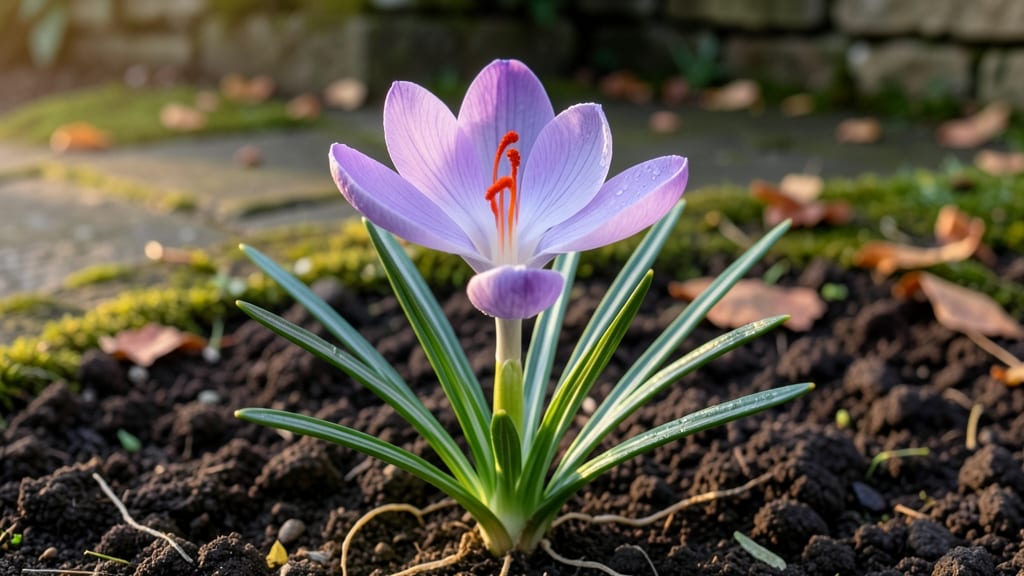
Growing saffron from Crocus sativus bulbs feels like unlocking a secret spice garden—one that delivers the world's most expensive crop right to your yard. 🌱 The delicate purple blooms hide golden threads worth $5,000 per pound, and with the right conditions, you can harvest your own.
I planted mine last fall, and by late autumn, they'll reward me with vibrant flowers and precious saffron.
The key is patience and precision: plant bulbs in well-draining soil, 3-4 inches deep, with 4-6 inches between each. They thrive in full sun and need minimal water once established—overwatering is the fastest way to ruin your crop.
Most gardeners assume saffron needs a Mediterranean climate, but I've grown it successfully in USDA Zones 6-9 with proper winter protection.
When harvest time arrives, you'll carefully pluck the three crimson stigmas from each flower—each one a tiny thread of pure flavor. A single plant yields about 0.1 grams of saffron, so you'll need dozens of blooms for a pinch of spice.
The process is meditative, and the aroma when drying the threads is intoxicating.
Common mistakes? Planting too deep, harvesting too early, or skipping the winter chill period. But once you master it, saffron becomes a year-round luxury—grown in your own backyard, not a gourmet shop. Ready to grow something extraordinary?
📚 In This Guide
- What you need
- Instructions
- Tips and common mistakes
- Wrapping up and next steps
What you need
- ● Saffron bulbs (Crocus sativus): Quantity: 5–10 bulbs (for a small harvest; scale up for larger yields). Specification: Certified organic or disease-free, preferably from a reputable supplier (e.g., Bare Root Online or local nurseries).
- ● Well-draining potting mix or garden soil: Type: Sandy loam or cactus/succulent mix (avoid heavy clay). Additives: Perlite or coarse sand (20–30% by volume) to improve drainage.
- ● Containers or garden bed: Option 1: 6–8 inch pots (1 bulb per pot) with drainage holes. Option 2: Raised garden bed (6+ inches deep) with full sun exposure (6+ hours/day).
- ● Fertilizer: Type: Balanced, low-nitrogen fertilizer (e.g., 5-5-5 or 10-10-10, diluted to half-strength). Timing: Apply sparingly after planting (avoid over-fertilizing).
- ○ Mulch (optional but recommended): Type: Straw or shredded leaves (1–2 inches) to protect bulbs in winter.
Step-by-step instructions for growing and harvesting saffron from Crocus sativus
Here’s how to cultivate these prized flowers and harvest their legendary golden threads.
🌱 Step 1: Plant Saffron Corms in Well-Draining Soil
Saffron corms (Crocus sativus) need full sun and well-draining soil to thrive. Plant them in fall (8-10 weeks before your first frost) at a depth of 3-4 inches, spacing them 4-6 inches apart. The corms are small—about the size of a walnut—so handle them gently to avoid bruising.
Work in 1-2 inches of compost before planting to enrich the soil without making it too dense. If your garden soil is heavy clay, mix in sand or perlite to improve drainage. Saffron hates soggy roots, so avoid low-lying areas where water pools. After planting, water lightly to settle the soil around the corms.
☀️ Step 2: Provide Ideal Growing Conditions
Saffron corms need 6-8 hours of direct sunlight daily for strong growth. If your climate is mild, they’ll bloom in late fall or early winter, while colder regions may see spring blooms. Keep the soil evenly moist but not waterlogged—water when the top inch feels dry to the touch.
Once the green shoots appear (about 6-8 weeks after planting), reduce watering slightly. Overwatering at this stage can weaken the stems and reduce saffron quality. A light mulch (1 inch) helps retain moisture and regulate soil temperature, but avoid thick layers that could suffocate the corms.
🌿 Step 3: Identify and Harvest Saffron Flowers
Saffron blooms are vibrant purple with six petals and three bright red stigmas (the prized saffron threads). Harvest in the early morning when the flowers are fully open but still fresh. Gently twist the flower head off the stem—do not pull to avoid damaging the corm.
Each flower yields just 3-4 threads, so you’ll need hundreds of flowers for even a small harvest. Handle the stigmas carefully—they’re delicate and brittle. Lay them flat on a clean, dry surface (like parchment paper) to dry for 24-48 hours in a dark, well-ventilated area. Avoid direct sunlight, which can bleach the color.
⏰ Step 4: Dry and Store the Saffron Threads
Once the stigmas are completely dry and brittle, remove any remaining flower parts. Store the threads in an airtight glass jar away from light and heat. Saffron loses potency over time, so use it within 1-2 years for the best flavor and color.
For 4 servings, you’ll need at least 200-300 flowers—so plan accordingly! If you’re new to saffron growing, start with a small batch to perfect your technique before scaling up. The reward? The world’s most luxurious spice, grown right in your garden.
Tips & tricks for perfect saffron cultivation
These insider secrets will help you maximize your saffron harvest and avoid common pitfalls.
Timing is Everything: Plant your saffron corms exactly 8-10 weeks before your first frost—this gives them time to establish roots before winter dormancy. I've learned the hard way that planting too early or late can result in weak growth or no blooms at all. Mark your calendar and set reminders, because this window is critical for success. The 6-8 hours of direct sunlight they need daily starts from the moment they sprout, so choose your planting location carefully.
Harvesting Technique: The early morning is truly the best time to harvest saffron flowers—this is when they're at their freshest and most vibrant. I always use a pair of clean, sharp scissors to snip the flower heads just above the stem, then gently twist off the flower head with my fingers. Never pull the flowers directly, as this can damage the delicate corm underneath. Remember, each flower only yields 3-4 threads, so patience is key when harvesting hundreds of flowers.
Drying Secrets: For optimal drying, lay your saffron stigmas on a clean, dry surface like parchment paper in a dark, well-ventilated area for 24-48 hours. I've found that using a small fan on low setting helps circulate air without disturbing the delicate threads. Avoid direct sunlight at all costs—it can bleach the precious golden color. Once completely dry and brittle, store your saffron in an airtight glass jar away from light and heat to preserve its potency for up to 1-2 years.
Soil Science: The well-draining soil requirement is non-negotiable for saffron. If your garden soil is heavy clay, mix in sand or perlite to create the perfect drainage. I've seen many gardeners struggle with soggy roots because they didn't take this step seriously. Also, work in 1-2 inches of compost before planting—this gives your corms the nutrients they need without making the soil too dense. The 4-6 inch spacing between corms allows for proper air circulation, which is crucial for preventing fungal issues.
Pro Tips for Saffron Bulbs Crocus Sativus
- These insider secrets will help you maximize your saffron harvest and avoid common pitfalls.
- Timing is Everything: Plant your saffron corms exactly 8-10 weeks before your first frost—this gives them time to establish roots before winter dormancy.
- Harvesting Technique: The early morning is truly the best time to harvest saffron flowers—this is when they're at their freshest and most vibrant.
Frequently asked questions
Got questions about growing and harvesting Crocus sativus for saffron? You’re not alone!
Here are answers to the most common queries—from planting to troubleshooting—to help you cultivate these golden threads like a pro.
When is the best time to plant saffron bulbs?
Plant Crocus sativus bulbs in early fall (September–October), about 4–6 weeks before the first frost. This gives them time to establish roots before winter dormancy. In warmer climates, aim for late summer to early fall—just avoid planting when soil temps exceed 70°F (21°C).
How long does it take for saffron crocus to produce flowers?
Patience is key! Saffron bulbs typically take 8–12 weeks to flower after planting, usually blooming in late fall or early winter (November–January, depending on your climate). First-year flowers may be sparse, but subsequent years yield 3–5 blooms per bulb—each with precious stigmas.
Why aren’t my saffron crocus bulbs flowering?
No flowers? Check these common culprits:
- Improper planting depth: Bulbs should sit 3–4 inches deep—too shallow = no blooms.
- Poor drainage: Soggy soil rots bulbs. Amend with sand or gravel if needed.
- Insufficient sunlight: These bulbs thrive in full sun (6+ hours/day).
- Young bulbs: First-year bulbs often skip flowering; give them a second season.
Pro tip: Divide bulbs every 3–4 years to boost vigor!
Can I grow saffron in containers, or does it need garden soil?
Yes! Saffron bulbs adapt well to containers (12+ inches deep) with well-draining potting mix. Use a blend of cactus/succulent mix + perlite to mimic rocky, dry conditions. Place pots in full sun and water sparingly—overwatering is their #1 enemy. Bonus: Containers make harvesting stigmas easier!
How many saffron threads can I get from one crocus flower?
Each Crocus sativus flower yields 3 vibrant red stigmas (the prized saffron "threads"), plus 1 yellow style. One bulb produces 3–5 flowers, so expect 9–15 threads per bulb annually. To maximize yield, harvest in the morning (stigmas are longest then) and dry them within 24 hours in a dark, airy space.
What can I do with saffron crocus bulbs after harvesting?
After harvesting stigmas, leave the flower intact to photosynthesize for 1–2 weeks to replenish the bulb. Then, trim the stem but keep the bulb in the ground—it’ll regrow next season! If bulbs weaken after 5+ years, dig them up, separate offsets, and replant to refresh the patch.
Wrapping up and next steps
Growing saffron bulbs (Crocus sativus) is a rewarding journey that connects you to one of the world’s most prized spices—right in your own garden! 🌱 With patience, the right timing, and a little know-how, you’ll unlock the magic of harvesting those golden threads for gourmet dishes, teas, or even wellness rituals.
Now that you’re armed with the essentials, why not take the next step? Plant a few bulbs this fall and watch your garden bloom with luxury—one delicate crocus at a time.