
Container Gardens
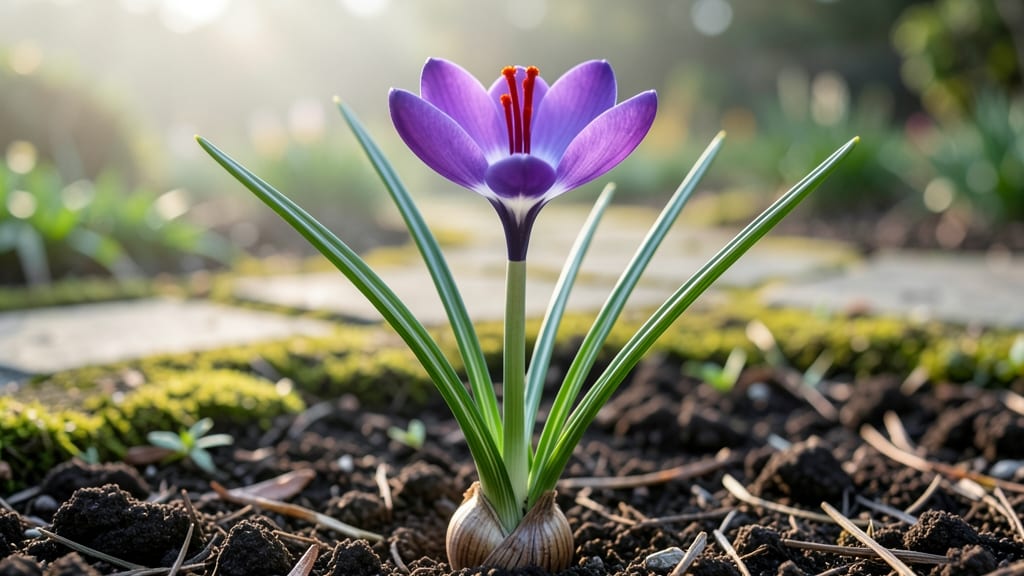
Growing saffron bulbs means trading fast gratification for a reward that feels like striking gold—each tiny crimson thread is worth its weight in spices. 🌱 I’ve spent three years perfecting my saffron patch, and the key isn’t just patience, but understanding how these finicky corms behave.
They demand specific conditions: cool winters, dry summers, and a soil mix that mimics their native rocky slopes.
The real magic happens in the timing: plant in late summer when soil temps drop below 70°F, and let them naturalize like wildflowers. You’ll need well-draining soil (think 50% sand or perlite) to prevent rot, and bright sunlight for those signature purple blooms.
Most gardeners quit here—but the harvest is where it gets thrilling.
By October, you’ll spot the delicate crocus blooms, and that’s when the hand-pollination begins. Each flower yields just 3-5 threads, but the flavor? Unmatched. The first harvest feels like a secret shared between you and the earth—no pesticides, no shortcuts, just pure crocus magic.
This isn’t a crop for impatient gardeners, but for those who love slow victories. The bulbs multiply over years, and with each harvest, your kitchen spices gain depth that store-bought saffron can’t match. Here’s how to set it up right the first time.
📚 In This Guide
- What you need
- Instructions
- Tips and common mistakes
- Wrapping up and next steps
What you need
- ● Saffron bulbs (corms): 10–20 bulbs per container (6"–8" deep). Choose certified organic or high-quality corms for best results.
- ● Well-draining potting mix: 2–3 bags (1–2 cubic feet each) of a sandy-loam blend (e.g., 60% garden soil + 30% perlite + 10% compost). Avoid heavy clay!
- ● Containers: 1–2 large pots (12"–16" diameter) with drainage holes, or raised beds (minimum 8" depth). Terracotta or fabric pots work best.
- ● Slow-release fertilizer: 1 cup of balanced 10-10-10 or organic worm castings per container.
- ● Drip irrigation or spray bottle: For gentle watering (avoid overhead soaking).
- ● Garden trowel or small shovel: For planting and dividing bulbs.
- ● pH test kit: Aim for 6.0–7.0 (saffron prefers slightly acidic to neutral soil).
- ● Mulch (straw or pine needles): 1–2 inches to retain moisture and regulate temperature.
- ○ Grow lights (LED, full-spectrum): Optional for indoor growing (12–14 hours/day in winter).
- ● Thermometer: Monitor soil temps—ideal range is 50°F–75°F (10°C–24°C).
Step-by-Step instructions for cultivating saffron crops
Here's how I've learned to coax vibrant saffron blooms from stubborn bulbs—patience and precision pay off.
🌱 Step 1: Select and Prepare the Right Bulbs
Saffron thrives with Crocus sativus bulbs, which look like small, rounded onions. Choose certified disease-free bulbs from specialty growers—they're pricier but worth it for your first crop. I always order mine in early summer so they arrive firm and plump, not shriveled or soft.
Soak the bulbs in lukewarm water for 12 hours before planting. This softens the outer layers and jumpstarts root growth. Don't skip this—dry bulbs often rot before they sprout. After soaking, let them dry completely on a paper towel for 24 hours to prevent fungal issues.
🪴 Step 2: Plant in Well-Draining, Sandy Soil
Saffron bulbs demand perfect drainage. Amend heavy soil with sand or perlite until it resembles a sandy loam. I dig a trench 4-6 inches deep and space bulbs 3-4 inches apart—they multiply aggressively, so resist overcrowding. The ideal planting depth is 2-3 inches below the soil surface.
Plant in full sun with 6-8 hours daily exposure. If your climate gets hotter than 85°F, provide afternoon shade to prevent bulbs from overheating. Water immediately after planting to settle the soil around the bulbs, then let the area dry completely before watering again.
☀️ Step 3: Maintain Dormancy and Controlled Watering
Saffron bulbs need a dormant period of 8-10 weeks after planting before they'll flower. During this time, water only when the top 2 inches of soil feel dry—overwatering causes rot. I use a moisture meter to check, as saffron bulbs are sensitive to soggy conditions.
Once you see shoots emerge in early fall, resume regular watering. The plants will grow slowly until winter, then burst into bloom in late fall or early spring—right when most gardens are dormant. This is the secret to saffron's unique harvest window.
⏰ Step 4: Harvest Stigmas at Peak Freshness
Harvest saffron stigmas on a dry morning after the flowers have fully opened but before they wilt. I wear gloves and gently twist each flower to remove the three crimson stigmas—never pull them out, or you'll damage the bulb. Place the stigmas on a clean, dry surface to dry for 24-48 hours in a cool, dark place.
Store dried stigmas in an airtight container away from light and moisture. A single ounce of saffron requires 75,000 flowers, so harvest judiciously. The first harvest yields the most potent flavor—subsequent years produce fewer blooms as the bulbs age.
✂️ Step 5: Divide and Refresh Bulbs Every 3 Years
After 3 years, saffron bulbs decline in vigor. In early summer, dig up the clumps and separate the smaller bulbs. Discard any that feel soft or shriveled—they won't regrow. Replant the healthy ones immediately, as they need time to establish before winter.
This division also prevents overcrowding, which reduces both bloom quantity and saffron quality. I label each new planting with the year to track maturity. With proper care, a single bulb can produce harvestable flowers for 5-7 years.
Tips & tricks for perfect saffron cultivation
These insights will help you avoid common pitfalls and maximize your saffron harvest's quality and yield.
The Soaking Secret: The 12-hour lukewarm water soak in Step 1 is non-negotiable—it jumpstarts root growth by softening the bulb's outer layers. I've learned the hard way that skipping this step leads to rot before sprouting. Use a thermometer to confirm the water stays between 75-80°F; cooler water slows germination, while hotter water can damage the bulbs. After soaking, pat them dry thoroughly on paper towels for the full 24 hours to prevent fungal infections that could ruin your entire crop.
Drainage is Everything: When amending your soil in Step 2, don't just add sand—create a proper sandy loam texture. I mix equal parts sand and existing soil, then test by squeezing a handful: it should crumble easily when dry and drain completely within 30 minutes when wet. The 2-3 inch planting depth is critical too—too shallow and they'll overheat, too deep and they won't get enough light to flower. Mark your planting locations with stakes if you're unsure about depth consistency.
Dormancy Timing: That 8-10 week dormant period in Step 3 is where most beginners fail. Use a garden timer to track exactly 56-70 days from planting before resuming watering. I set calendar reminders because saffron bulbs won't flower without this precise dormancy. During this time, check soil moisture with your finger—only water when the top 2 inches feel completely dry. Overwatering here is the #1 cause of bulb rot that kills entire crops.
Harvest Precision: For Step 4's 24-48 hour drying period, I use a small wooden drying rack in my basement where humidity stays below 50%. The key is airflow—place a small fan on low setting nearby to gently circulate air without creating drafts. Harvest only on dry mornings after dew has evaporated, and always wear gloves to protect your skin from the delicate stigmas. I've found that harvesting at 9 AM gives me the freshest stigmas while still maintaining their vibrant color.
Pro Tips for Saffron Bulbs Growing
- These insights will help you avoid common pitfalls and maximize your saffron harvest's quality and yield.
- The Soaking Secret: The 12-hour lukewarm water soak in Step 1 is non-negotiable—it jumpstarts root growth by softening the bulb's outer layers.
- Drainage is Everything: When amending your soil in Step 2, don't just add sand—create a proper sandy loam texture.
Frequently asked questions
Got questions about growing saffron bulbs? You’re not alone—this delicate spice demands patience and precision! Below, we’ve rounded up the most common queries to help you cultivate thriving saffron crops with confidence.
How long does it take for saffron bulbs to mature and produce harvestable stigmas?
Saffron bulbs (technically Crocus sativus corms) typically take 3 to 5 years to reach full maturity and yield high-quality stigmas. The first harvest is usually modest, but with proper care—like consistent moisture and well-draining soil—your patience will pay off with vibrant, aromatic threads by year 3 or 4.
When is the best time to plant saffron bulbs for a fall harvest?
Plant saffron bulbs in late summer (August–September) for a fall harvest. The corms need 6–8 weeks of cool weather (below 70°F) to establish roots before flowering. In warmer climates, consider a winter dormancy trick: plant in early fall, let them rest, then water lightly in early spring to encourage blooms.
Why aren’t my saffron bulbs flowering? What’s going wrong?
Lack of flowers often stems from immature corms, poor dormancy, or overwatering. Ensure your bulbs get:
- Full sun (6+ hours/day)—saffron thrives in bright light.
- Dry dormancy (summer rest)—stop watering when leaves yellow.
- Well-draining soil—waterlogged roots = no blooms!
Can I grow saffron in containers? What’s the ideal setup?
Saffron adapts well to containers with:
- Depth: 12–18 inches (corms need room to spread).
- Drainage: Drill holes + use a mix of sandy loam + perlite.
- Size: 2–3 bulbs per 6-inch pot (or 1 bulb per 10-inch pot).
Are there cheaper alternatives to saffron bulbs for beginners?
If saffron bulbs seem pricey (they can cost $10–$20 each!), start with:
- Safflower seeds (not the same spice, but easy to grow and edible).
- Autumn crocus bulbs (Colchicum autumnale)—similar care, though toxic if ingested.
- Turmeric rhizomes—a budget-friendly spice with golden hues and anti-inflammatory benefits.
Wrapping up and next steps
Growing saffron bulbs is a rewarding journey that blends patience with vibrant results—whether you're cultivating them in containers or your garden. With the right climate, soil, and care, you can enjoy year-round harvests of this prized spice.
Start small, experiment with varieties, and soon you’ll be savoring the golden threads of success!
Ready to dive in? Plant your first bulbs today and watch your saffron dreams bloom—literally! 🌱✨