
Propagation
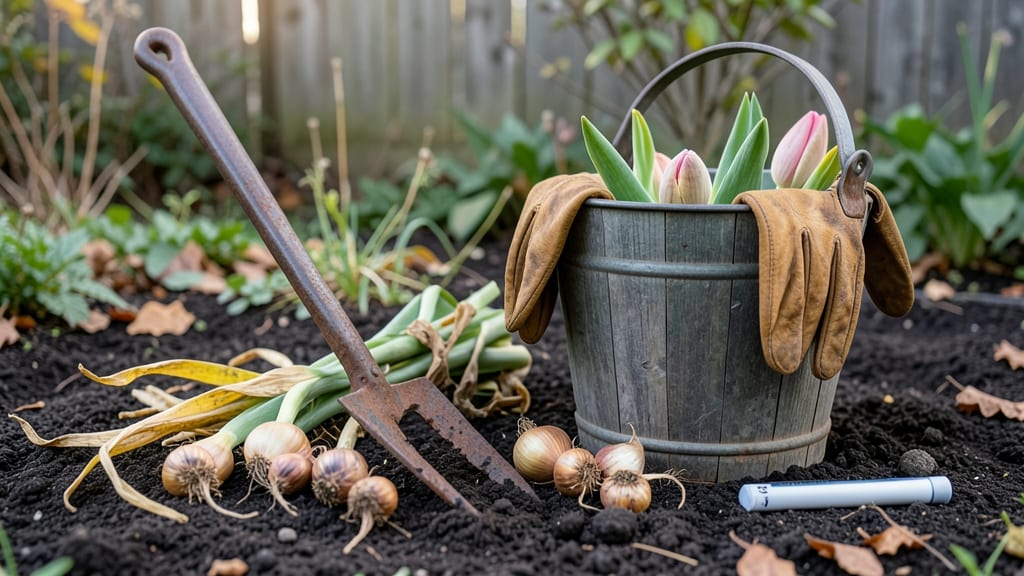
Saving tulip bulbs isn’t just about digging them up—it’s about giving them the perfect dormancy to return stronger next spring. 🌱 I’ve learned that skipping this step means smaller blooms (or none at all) the following year, but with the right care, you can turn last year’s flowers into next year’s showstoppers.
The secret lies in timing and conditions: harvest bulbs 6 weeks after flowering when foliage turns yellow, let them dry in a dark, well-ventilated spot for 2 weeks, then store them in a cool (40–50°F), dry place wrapped in paper or mesh.
Too much moisture or warmth? That’s how rot starts—so avoid plastic bags and damp storage areas.
By spring, you’ll see fresh green shoots pushing through the soil, proving your bulbs survived winter. The key is patience: bulbs need 12–16 weeks of dormancy to rebuild energy for blooming. Skimp on this, and you’ll get weak stems and sparse flowers.
Works for hybrid tulips, species tulips, and even those fancy double varieties. Here’s how to avoid the most common mistakes—like harvesting too early or storing them in the fridge—and ensure your bulbs come back bigger and better every year.
📚 In This Guide
- What you need
- Instructions
- Tips and common mistakes
- Wrapping up and next steps
What you need
- ● Tulip bulbs – Healthy, mature bulbs (at least 2 inches in diameter) for best results.
- ● Well-draining potting mix – A blend of 50% peat moss or coconut coir and 50% perlite or coarse sand (10-15 lbs for a standard container).
- ● Container or storage box – A plastic mesh bag, cardboard box, or ventilated container (12”x12”x6” minimum for 10-15 bulbs).
- ● Labeled tags or markers – To track bulb varieties (e.g., "Darwin Hybrid Tulips – 2025").
- ○ Garden gloves – Protect your hands while handling bulbs (optional but recommended!).
- ● Pruners or sharp knife – For trimming foliage post-bloom (sterilized with rubbing alcohol).
- ○ Fungicide (e.g., copper-based) – Optional for treating bulbs if mold or rot is suspected (follow label instructions).
- ○ Thermometer/hygrometer – Optional to monitor storage conditions (ideal: 40–50°F and 40–60% humidity).
- ○ Silica gel packets – Optional to absorb excess moisture in storage containers.
Step-by-step guide to storing tulip bulbs for next season
Here’s how I’ve kept my tulips blooming year after year—no fancy tools, just smart timing and care.
⏰ Step 1: Wait Until Foliage Fully Dies Back
After tulips finish blooming, leave the stems and leaves alone—do not cut them. The foliage feeds the bulb for next year’s flowers. Wait until it turns completely brown and crispy, usually 6-8 weeks after blooming. You’ll know it’s ready when the leaves look like dry straw and snap easily when bent.
This is the most critical step. If you cut back too soon, the bulb won’t store enough energy. I mark the date on my calendar when the last tulip blooms, then count 6 weeks from that day to know when to harvest.
✂️ Step 2: Dig Up Bulbs When Soil Cools
Once the foliage is completely dead, dig up the bulbs on a dry, sunny day when the soil is cool but not frozen. Use a garden fork to loosen the soil around the bulb, then gently lift it out. Shake off excess dirt—don’t wash them—as moisture speeds up rot during storage.
Handle bulbs carefully; their papery skins protect against disease. If you see any soft or mushy spots, discard those bulbs immediately. Healthy bulbs should feel firm and dry to the touch.
🪴 Step 3: Cure and Store in a Cool, Dry Place
Let the bulbs cure for 2-3 weeks in a shady, well-ventilated spot (like a garage or basement) where temperatures stay between 60-70°F. This dries out the outer skins and prepares them for dormancy. I place them in a cardboard box with holes for airflow—no plastic bags.
Once cured, store them in a paper bag or mesh sack (not airtight) in a cool, dark place like a refrigerator crisper drawer or basement. Check them monthly for rot or mold. If stored properly, tulip bulbs will last 3-5 years without replanting.
🌱 Step 4: Replant in Fall for Next Year’s Blooms
Plant bulbs 6-8 weeks before your first frost, when soil temperatures drop below 60°F. Dig holes 6-8 inches deep and 6 inches apart, place bulbs with the pointed end up, then cover with soil. Water lightly to settle it in.
Don’t fertilize right after planting—wait until spring when new shoots appear. The key is timing: bulbs need cold to bloom, so if you replant too early, they’ll sprout and get damaged by frost.
Tips & tricks for perfect tulip bulb storage
Here's what I've learned after years of trial and error with my own tulip collection—these little tricks make all the difference for next spring's blooms.
Timing is Everything: Those 6-8 weeks after blooming are non-negotiable. I've ruined bulbs by cutting back too soon, but marking my calendar when the last tulip blooms helps me count down accurately. The foliage needs that full time to photosynthesize and store energy for next year. If you're in doubt, wait until the leaves are completely crispy and snap like dry straw.
Soil Temperature Matters: The instructions mention digging when soil is cool but not frozen—this is crucial. I test with my finger: if I can't comfortably keep it in the soil for 10 seconds, it's too hot. Too-warm soil can stress the bulbs, while frozen soil makes them brittle. Aim for that sweet spot between 50-60°F for perfect digging conditions.
Storage Wisdom: The 2-3 week curing period at 60-70°F is often skipped, but it's what prevents mold during storage. I've used cardboard boxes with holes for airflow, but you can also spread them out on a screen in a dry basement. The key is keeping them completely dry—any moisture will cause rot. I check mine monthly and toss any bulbs that feel soft or smell off.
Replanting Reminder: That 6-8 week window before frost is tighter than it sounds. I set calendar alerts for my region's first frost date, then count backward. Planting too early can cause premature sprouting, while planting too late means the roots won't establish before winter. A soil thermometer helps verify when temperatures drop below 60°F—this is your green light to plant.
Pro Tips for Saving Tulip Bulbs
- Here's what I've learned after years of trial and error with my own tulip collection—these little tricks make all the difference for next spring's blooms.
- Timing is Everything: Those 6-8 weeks after blooming are non-negotiable.
- Soil Temperature Matters: The instructions mention digging when soil is cool but not frozen—this is crucial.
Frequently asked questions
Got questions about keeping your tulip bulbs happy through dormancy? You’re not alone! Here are answers to the most common concerns—so you can prep like a pro for next year’s stunning blooms.
When is the best time to dig up tulip bulbs?
Dig tulip bulbs after foliage turns brown and crispy (usually 6–8 weeks post-bloom) but before the first hard frost. In most regions, this means late summer to early fall (August–September). Waiting too long risks bulb rot, while digging too early starves them of energy for next year’s flowers.
Can I leave tulip bulbs in the ground over winter?
Yes! If you live in USDA Zones 5–8, tulips often survive winter in the ground with proper care. Mulch heavily (4–6 inches) with straw or leaves after the ground freezes, and remove mulch in early spring. However, bulbs may weaken over time—digging and dividing every 3–4 years rejuvenates blooms.
What’s the best way to store tulip bulbs over winter?
Store bulbs in a cool (35–45°F), dry place like a garage or unheated basement. Use paper bags or mesh containers (not plastic!) to allow airflow. Check monthly for mold or soft spots—discard any mushy bulbs. Avoid refrigerators (humidity buys rot) and never freeze them!
Why did my tulip bulbs rot after digging?
Rot usually happens from overwatering, poor airflow, or storing too warm. Cure it next time by: letting bulbs dry in a shady spot for 1–2 weeks post-digging, using well-draining soil, and storing them in a cool, dark place. If bulbs are already slimy, trim the bad parts and replant only healthy sections.
Can I save tulip bulbs from grocery-store flowers?
Unfortunately, no—store-bought tulips are often forced in greenhouses and won’t rebloom. However, you can try saving bulbs from organic, untreated nursery tulips by following the same digging and storage steps. Patience is key: it may take 1–2 years for them to flower again!
Wrapping up and next steps
Saving tulip bulbs is all about patience, timing, and a little extra care—and you’ve got this! 🌱 By following these dormant care secrets, you’ll ensure vibrant blooms year after year, turning your garden into a springtime masterpiece.
Now that you’re equipped with the know-how, why not share your new skills? Invite a neighbor to join you in bulb-saving adventures or experiment with different varieties to expand your floral collection. Happy gardening!