
Planting
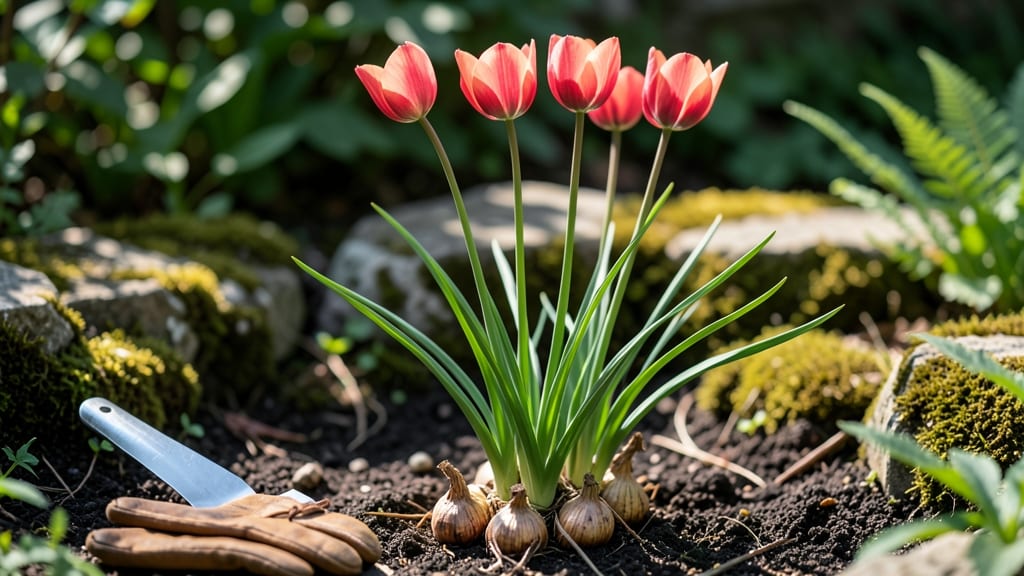
Growing Siam tulip bulbs means fragrant blooms that defy winter’s chill. 🌸 Unlike traditional tulips, these tropical beauties thrive with minimal cold exposure, making them perfect for warm climates or even indoor growing.
I’ve grown them in containers on my patio, and they’ve rewarded me with vibrant blooms from late winter through spring—no frost required.
The secret lies in their love for well-draining soil and bright, indirect light. Plant bulbs in 6-inch-deep pots or directly in garden beds with compost-rich soil, and place them where they’ll get morning sun and afternoon shade.
Siam tulips prefer warmth—think 60-75°F—so they’re ideal for zones 8-11 or greenhouses. Overwatering is their downfall, so let the top inch of soil dry between waterings.
You’ll notice buds forming in 8-12 weeks, and the blooms—ranging from fiery reds to soft pinks—fill the air with a sweet, spicy fragrance. Deadhead spent flowers to encourage more blooms, and fertilize lightly every 4-6 weeks with a balanced, water-soluble mix.
These bulbs multiply over time, so you’ll soon have enough to share or expand your collection.
Common mistakes? Planting too deep (they rot easily) or giving them too much water. If your bulbs aren’t flowering, check their light—too little sun stunts growth, while too much can scorch leaves.
With the right care, Siam tulips will bloom year after year, proving that stunning flowers don’t need a cold winter to shine.
📚 In This Guide
- What you need
- Instructions
- Tips and common mistakes
- Wrapping up and next steps
What you need
- ● Siam tulip bulbs: 3–5 bulbs (depending on desired cluster size). Choose firm, plump bulbs with no soft spots.
- ● Well-draining potting mix: 1–2 gallons (for containers) or amended garden soil (for in-ground planting). Mix in perlite or sand (20–30%) for aeration.
- ● Pot or garden bed: Containers: 6–8" diameter pots with drainage holes (1 bulb per pot or 2–3 bulbs in larger pots).
- ● Garden beds: Sunny, sheltered spot with loose, fertile soil (pH 6.0–7.0).
- ● Slow-release fertilizer: 1–2 tbsp (5–10g) of 10-10-10 or bulb-specific fertilizer per pot/planting hole.
- ● Watering can or hose: With a gentle spray nozzle for hydration.
- ○ Mulch (optional but recommended): 1–2 inches of organic mulch (e.g., straw or shredded bark) to retain moisture and regulate temperature.
- ● Gloves: To protect hands while handling bulbs or soil.
- ● Trowel or bulb planter: For digging holes (2–3" deep for bulbs).
- ● Spray bottle: For misting leaves during dry spells.
- ○ Grow lights (optional): 12–14 hours of light daily if indoors or in low-light areas.
- ● Plant labels: To track varieties and planting dates.
How to grow Siam tulip bulbs for year-round color
These exotic beauties defy convention—here's how to coax their vibrant blooms with minimal fuss.
🌱 Step 1: Select and Prepare the Perfect Bulbs
Choose firm, plump Siam tulip bulbs—look for smooth, unblemished skins with no soft spots. I always inspect mine under bright light to catch hidden damage. These bulbs need well-draining soil and partial shade to thrive, unlike traditional tulips that demand full sun and cold dormancy.
Soak the bulbs in lukewarm water for 12 hours before planting. This softens the outer layers and jumpstarts root growth. I use a shallow tray and cover them loosely with a damp paper towel to maintain moisture without drowning. The goal is to wake them up gently—no need to force germination.
🪴 Step 2: Plant in Containers or Ground with Ideal Conditions
For containers, use a 6-8 inch deep pot with fast-draining mix—I blend 50% potting soil, 30% perlite, and 20% orchid bark. Siam tulips hate soggy roots, so add a 1-inch layer of gravel at the bottom for drainage. Plant bulbs 3-4 inches deep, spacing them 4-6 inches apart—closer spacing encourages lush foliage.
In ground, choose a spot with morning sun and afternoon shade, especially in hot climates. The soil should drain quickly but retain moisture—amend heavy clay with sand or compost. Mulch lightly with 1 inch of bark chips to regulate soil temperature. These bulbs prefer 60-75°F soil temps, so avoid planting in freezing ground.
☀️ Step 3: Water and Feed for Continuous Blooms
Water sparingly after planting—just enough to settle the soil. Once shoots appear, keep the soil evenly moist but never soggy. Siam tulips bloom best with consistent moisture, but they'll forgive occasional dry spells better than waterlogged roots. I use a self-watering pot for container plants to maintain steady dampness without overdoing it.
Feed lightly every 4-6 weeks with a balanced liquid fertilizer (10-10-10). Too much nitrogen makes them focus on leaves instead of flowers. I cut the fertilizer dose in half during bloom time—this encourages more flowers instead of lush foliage. Watch for yellowing leaves as a sign of over-fertilizing.
✂️ Step 4: Deadhead and Care for Next Season's Blooms
Snip off spent blooms just above the leaf node to redirect energy to bulb storage. Don't remove all foliage—let the leaves yellow naturally, as they photosynthesize to nourish next year's blooms. I mark my calendar 6-8 weeks after flowering to remind myself to reduce watering gradually.
In winter, reduce watering to once every 2-3 weeks unless your climate stays mild. These bulbs don't need dormancy like traditional tulips, but they do appreciate a dry rest period. If you live in a frost-free zone, they'll keep blooming year after year with proper care. For colder areas, dig and store them in dry peat moss at 50-60°F until spring.
🌿 Step 5: Divide and Propagate Every 3-4 Years
When bulbs produce offsets (small bulbs around the parent), it's time to divide. I wait until after flowering when foliage has fully yellowed. Gently separate the offsets, keeping at least one healthy leaf attached to each. Plant the offsets 2-3 inches deep in fresh mix—they'll bloom in 1-2 years.
Siam tulips reward patience. The first year might be modest, but with consistent care, they'll multiply and fill your garden with exotic blooms from spring through fall. Real talk: these bulbs are finicky about moisture, but once you nail the drainage, they're low-maintenance superstars.
Tips & tricks for growing Siam tulip bulbs
Here's what nobody tells you about growing these tropical beauties—lessons I learned after a few too many wilted attempts.
Soaking Strategy: The 12-hour soak in lukewarm water is your secret weapon for jumpstarting growth. I've found that using a tray with slightly elevated edges prevents water from pooling around the bulbs, which could lead to rot. After soaking, let them air dry for about 30 minutes before planting—this prevents fungal issues down the line. The key is consistency: maintain that lukewarm temperature throughout the soak, as cold water can shock the bulbs while hot water might damage their delicate outer layers.
Container Size Matters: When using containers, don't skimp on depth—those 6-8 inch pots might seem generous, but Siam tulips develop deeper root systems than traditional bulbs. I've had success with 10-inch pots that give the roots room to establish without becoming root-bound. For ground planting, consider adding a 2-inch layer of coarse sand beneath your planting mix if your native soil is particularly dense. This creates an instant drainage layer that mimics their native tropical conditions. The 4-6 inch spacing between bulbs might seem tight, but it actually encourages those stunning, lush foliage displays.
Light Balance: That morning sun/afternoon shade recommendation is critical, especially in hotter climates. I've noticed that even a few hours of intense afternoon sun can cause the leaves to scorch while the bulbs themselves are still trying to establish roots. For container growers, rotate your pots every few weeks to ensure even light exposure all around. In cooler climates, you might actually get away with more sun, but always monitor the leaves—they'll tell you when they're getting too much.
Fertilizer Timing: The 4-6 week feeding schedule is perfect, but here's the trick: alternate between liquid fertilizer and a slow-release granular fertilizer every other application. This gives you the benefits of both immediate nutrients and long-term feeding without overwhelming the bulbs. During bloom time, I switch to a phosphorus-heavy fertilizer (like 5-10-5) to encourage more flowers. And that yellowing leaves warning? It's your body telling you to cut back—don't ignore it, or you'll end up with lush foliage and no blooms.
Pro Tips for Siam Tulip Bulbs
- Here's what nobody tells you about growing these tropical beauties—lessons I learned after a few too many wilted attempts.
- Soaking Strategy: The 12-hour soak in lukewarm water is your secret weapon for jumpstarting growth.
- Container Size Matters: When using containers, don't skimp on depth—those 6-8 inch pots might seem generous, but Siam tulips develop deeper root systems than traditional bulbs.
Frequently asked questions
Got questions about growing Siam tulip bulbs? You’re not alone! Here are answers to the most common concerns—from planting tips to troubleshooting—to help you cultivate stunning, low-chill blooms with ease.
How cold do Siam tulip bulbs need to bloom?
Unlike traditional tulips, Siam tulips thrive with minimal chill hours—just 300–500 hours below 45°F (7°C). This makes them perfect for warmer climates (Zones 8–11) or containers moved indoors in winter. For colder zones, plant in fall and mulch heavily to protect roots.
When is the best time to plant Siam tulip bulbs?
Plant bulbs in fall (6–8 weeks before frost) for spring blooms, or in early spring (after soil warms to 50°F/10°C) for summer flowers. In mild climates, you can plant year-round! Just ensure bulbs get consistent moisture until roots establish (about 4–6 weeks).
Can Siam tulips rebloom yearly like regular tulips?
Yes! With proper care, Siam tulips often rebloom annually. After flowering, leave foliage until it yellows to feed the bulb for next season. Fertilize lightly in early spring with a balanced 10-10-10 formula. Mulch in winter to retain moisture and protect roots.
What if my Siam tulip bulbs aren’t flowering?
No blooms? Check these fixes:
- Chill hours: Move containers indoors for winter if temps stay too warm.
- Sunlight: Ensure 6+ hours of sun daily—partial shade can reduce blooms.
- Overcrowding: Dig up and separate bulbs every 3–4 years to improve airflow.
- Fertilizer: Lack of nutrients? Use a low-nitrogen, high-phosphorus feed (like 5-10-10) in early spring.
Are Siam tulips deer- or rabbit-resistant?
While not fully deer/rabbit-proof, Siam tulips are less appealing than traditional tulips due to their unique scent and texture. For extra protection, plant near deterrent companions like alliums, lavender, or daffodils, or use physical barriers (chicken wire) in high-risk areas.
Wrapping up and next steps
Growing Siam tulip bulbs is a rewarding way to enjoy vibrant blooms with minimal fuss—even in warmer climates! 🌸 Their low chill requirements and striking colors make them a standout choice for gardeners who want year-round beauty without the hassle.
Whether you're a seasoned green thumb or just starting, these bulbs prove that stunning flowers are just a few steps away.
Ready to bring a splash of color to your space? Start by selecting healthy bulbs, prep your soil, and plant with confidence. Soon, your garden will be bursting with Siam tulip magic—one bloom at a time! 🌱✨