
Planting
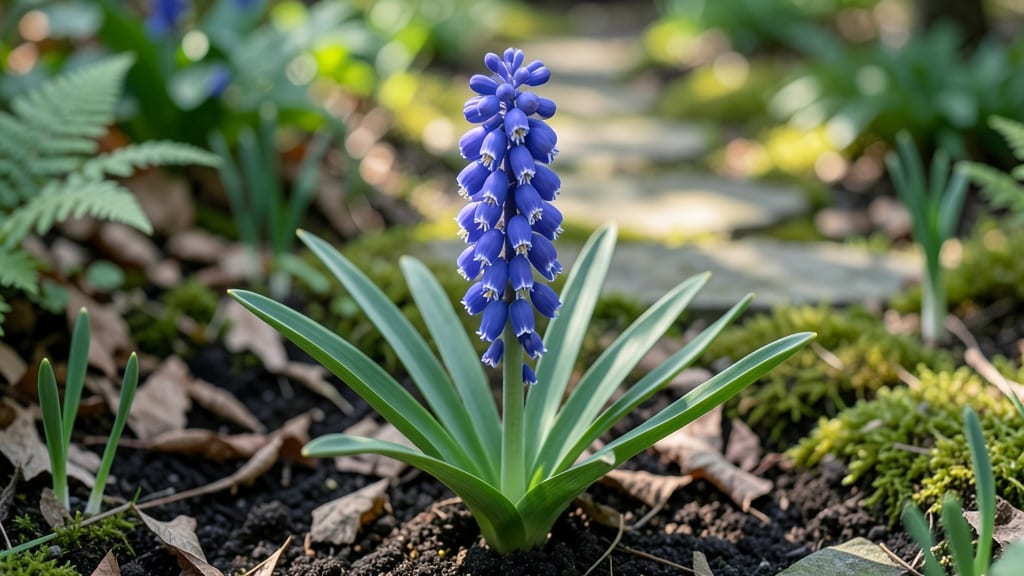
Growing Spanish bluebell bulbs transforms your garden into a springtime explosion of blue—and they keep coming back year after year with almost no effort. 🌱 These hardy perennials thrive in spots most flowers avoid, blooming when others are still waking up, and they spread like wildfire once happy.
The secret lies in their love for partial shade and well-draining soil—they hate soggy roots but adore dappled sunlight. Plant them in fall, water lightly until established, then let nature take over. Unlike annuals, these bulbs multiply underground, creating natural drifts that multiply your impact without extra work.
By late spring, you'll have vibrant blue bells swaying in the breeze, followed by fresh green foliage that stays lush until summer. The best part? They're drought-tolerant once established, making them perfect for low-maintenance gardens. Works beautifully in borders, woodland gardens, or even under trees where other plants struggle.
Here's how to get them thriving in your space—no green thumb required!
Why Your Spanish Bluebells Falter
Spanish bluebells (Hyacinthoides hispanica) are prized for their vibrant blooms and low-maintenance charm, but even the hardiest bulbs can struggle to thrive. Understanding the root causes behind their failure helps gardeners take corrective action—before it’s too late.
Below, we break down the key reasons why these bulbs might not perform as expected, from soil issues to seasonal timing, with science-backed explanations and actionable fixes.
Spanish bluebells thrive in well-draining, slightly acidic to neutral soil (pH 6.0–7.0), but many gardeners unknowingly create conditions that stunt their growth. Here’s what goes wrong:
- Compacted or Clay-Heavy Soil:
Bulbs need oxygen and drainage to prevent rot. Clay soil holds too much water, suffocating roots and leading to fungal infections. Test your soil: Press a handful—if it forms a tight ball when wet, it’s too dense.
- Lack of Organic Matter:
Spanish bluebells prefer loamy soil rich in compost or leaf mold. Without it, nutrients deplete quickly, causing weak stems and sparse blooms. Fix it by amending beds with aged compost (2–3 inches deep) before planting.
- Wrong pH Levels:
Soil that’s too alkaline (pH >7.5) locks out essential nutrients like phosphorus and iron, leading to yellowing leaves (chlorosis). Test your soil with a kit and adjust with sulfur (to lower pH) or lime (to raise it) as needed.
💡 Pro Tip: If your soil is sandy, mix in peat moss or coconut coir to retain moisture without compacting. For heavy clay, raise bulbs in raised beds or containers with a 50/50 mix of soil and perlite.
Spanish bluebells are not your average bulb. Planting them too deep, too shallow, or at the wrong time disrupts their natural dormancy cycle, leading to weak growth or no blooms at all.
- Incorrect Depth:
These bulbs should be planted 4–6 inches deep (twice their diameter). Planting too shallow (<3 inches) exposes them to temperature fluctuations and pests, while burying them too deep (<8+ inches) starves them of sunlight, causing bolting (premature flowering) or no blooms.
- Wrong Season for Planting:
Spanish bluebells are fall-planted perennials, ideally between September and November in USDA Zones 5–9. Planting in spring or late fall (after the first frost) gives roots insufficient time to establish before winter, leading to winter kill or stunted growth.
- Overcrowding:
Bulbs need space to multiply. Planting them too close (<2–3 inches apart) competes for nutrients, resulting in smaller blooms and leggy stems. Solution: Space bulbs 4–6 inches apart in clusters of 3–5 for a fuller look.
⏰ Timing Fix: For year-round blooms, stagger plantings every 4–6 weeks from early fall to mid-winter (in mild climates). Use mulch (2–3 inches of straw) after planting to protect bulbs from freezing.
Spanish bluebells are drought-tolerant once established, but too much or too little water at critical stages can be fatal. Here’s how to get it right:
- Overwatering After Planting:
Freshly planted bulbs rot if soggy. Water only once after planting (to settle soil), then hold off until shoots emerge. Overwatering in fall/winter can also dilute soil nutrients, weakening next year’s blooms.
- Drought Stress During Bloom:
Once flowering begins (spring), bulbs need consistent moisture to support heavy blossoms. Signs of drought: Wilting leaves, buds that fail to open, or stems that flop. Fix: Water deeply 1–2 times per week (1 inch total), focusing on the base of the plant.
- Poor Drainage in Containers:
Potted bluebells suffocate if water pools. Ensure containers have drainage holes and use a mix of 50% potting soil, 30% perlite, and 20% compost. Water only when the top inch of soil is dry.
🌡️ Heatwave Hack: If temperatures exceed 85°F (29°C), mulch with gravel or straw to insulate roots and reduce evaporation.
Spanish bluebells are relatively pest-resistant, but a few culprits can decimate bulbs if left unchecked. Identifying the problem early is key:
- Squirrels and Rodents:
These critters dig up bulbs for snacks, especially in winter or early spring. Signs: Missing bulbs, shallow holes, or chewed foliage. Prevent with chicken wire (1/4-inch mesh) over beds or plant bulbs in containers sunk into the ground.
- Slugs and Snails:
These pests munch on emerging shoots, leaving slime trails and ragged holes. Bait with beer traps or use copper tape around pots to deter them.
- Fungal Diseases (e.g., Bulb Rot):
Caused by overwatering or poor drainage, fungal infections turn bulbs mushy and black. Prevent by sterilizing tools with rubbing alcohol, avoiding wet foliage, and planting in full sun (6+ hours/day).
- Aphids and Spider Mites:
These sap-suckers weaken stems, causing yellowing leaves and stunted blooms. Blast them off with a strong spray of water or use neem oil (1 tsp per gallon of water).
🔥 Emergency Fix: If you spot moldy bulbs, dig them up, trim affected areas with sterile scissors, and replant in fresh
Revive And Protect Your Blooms
Spanish bluebells may bring vibrant color to your garden with minimal fuss, but even the hardiest bulbs can face challenges.
Whether your plants are struggling to thrive or simply not blooming as expected, these practical solutions will help you diagnose and fix common issues—plus keep your garden looking its best year after year.
If your Spanish bluebell bulbs are planted but refuse to flower, the issue might be dormancy or overcrowding.
🔥 Cause: Bulbs Need More Time or Light
Spanish bluebells often take 1–2 years to establish before blooming.
If you’ve recently planted them, patience is key! - Solution: Ensure they get full sun to partial shade (6+ hours of sunlight daily). - Fix: Thin out overcrowded clumps—dig up bulbs, separate them, and replant with 3–4 inches of space between each.
🍳 Cause: Poor Soil or Nutrients
Bluebells thrive in well-draining, slightly acidic soil (pH 6.0–7.0). Compacted or nutrient-poor soil can stunt growth.
- Solution: Amend soil with compost or peat moss before planting.
- Fix: Apply a balanced, low-nitrogen fertilizer (like 10-10-10) in early spring.
💡 Prevention Tip:
- Mulch lightly (1–2 inches) after planting to retain moisture without suffocating bulbs.
- Avoid heavy fertilizers—too much nitrogen promotes foliage over flowers.
Yellowing leaves, soft rot, or moldy bulbs signal fungal infections, often from overwatering or poor airflow.
👨🍳 Cause: Overwatered or Waterlogged Soil
Bluebells hate soggy roots—excess moisture invites rot.
- Solution: Ensure well-draining soil (mix in perlite or sand if needed).
- Fix: Water only when the top inch of soil is dry—never let bulbs sit in standing water.
🥘 Cause: Fungal Spots or Powdery Mildew
Damp foliage or crowded plants create the perfect fungal feast.
- Solution: Prune affected leaves immediately and dispose of them (don’t compost).
- Fix: Spray with neem oil or copper fungicide (follow label instructions).
✨ Prevention Tip:
- Space plants properly (6+ inches apart) for airflow.
- Water in the morning so leaves dry quickly.
Chewing leaves, holes in petals, or wilting stems? Pests like slugs, snails, or aphids may be the culprits.
🔪 Cause: Slugs & Snails Devouring Blooms
These slimy pests love tender bluebell leaves and flowers.
- Solution: Set up beer traps (bury a shallow dish filled with beer) or use iron phosphate bait.
- Fix: Handpick them at night (when they’re most active) and drop them in soapy water.
⏰ Cause: Aphids or Spider Mites Sucking Sap
Sticky leaves or webbing mean tiny pests are draining your plants.
- Solution: Blast them off with a strong stream of water.
- Fix: Apply insecticidal soap or horticultural oil (reapply every 5–7 days).
🎯 Prevention Tip:
- Encourage natural predators like ladybugs by planting marigolds or dill nearby.
- Remove debris where pests hide (like mulch piles).
Bluebells are hardy but can struggle in scorching heat or deep freezes.
🔥 Cause: Heat Stress (Wilting or Brown Tips)
Too much sun + drought = crispy foliage.
- Solution: Provide afternoon shade with a light cloth or lattice.
- Fix: Water deeply at the base (not overhead) to prevent evaporation.
❄️ Cause: Frost Damage (Blackened Leaves)
Early or late frosts can kill emerging shoots.
- Solution: Mulch heavily (3–4 inches) in fall/winter.
- Fix: Cover young plants with frost cloth if temperatures dip below 25°F.
💡 Prevention Tip:
- Plant in microclimates (e.g., near walls or under trees for winter protection).
- Avoid late-season fertilizing—it encourages tender new growth before frost.
| Problem | Quick Fix | Prevention Tip |
|---|---|---|
| No blooms | Thin bulbs, add sunlight, fertilize | Mulch lightly, avoid overcrowding |
| Fungal rot | Improve drainage, fungicide spray | Water at soil level, space plants |
| Slug/snail damage | Beer traps, iron phosphate bait | Remove hiding spots, handpick at night |
| Aphids/mite infestation | Soap spray, blast with water | Attract ladybugs, clean up debris |
| Heat stress | Shade cloth, deep watering | Plant in partial shade if hot climate |
| Frost damage | Mulch thickly, frost cloth | Choose sheltered planting spots |
With these fixes, your Spanish bluebells should bounce back stronger—and with bold, year-round blooms that require almost no effort. Happy gardening! 🌸
Frequently asked questions
Can Spanish bluebell bulbs grow in containers?
Yes! These bulbs thrive in containers as long as you use a well-draining mix (50% potting soil, 30% perlite, 20% compost) and ensure the pot has drainage holes. Choose containers at least 8 inches deep and 12 inches wide for 3-5 bulbs. Place them in partial shade to prevent overheating.
How do I know when Spanish bluebells are ready to bloom?
Watch for tall, grass-like foliage emerging in early spring—this signals new growth. Blooms typically appear 4-6 weeks later, when stems reach 12-18 inches tall. First-year bulbs may produce minimal flowers, but established clumps will burst with vibrant blue clusters annually.
Why are my Spanish bluebell leaves turning yellow?
Yellowing leaves usually mean overwatering or poor drainage. Let the soil dry between waterings and ensure containers/pots have drainage. If the yellowing is paired with black spots, it could be fungal rot—reduce moisture and consider a fungicide spray. Test your soil pH too (ideal range: 6.0-7.0).
Can I divide Spanish bluebell clumps?
Divide them every 3-4 years in early fall. Dig up the clump, gently separate the bulbs (they'll pull apart easily), and replant immediately. Space them 4-6 inches apart in clusters of 3-5 for a natural, full look. This prevents overcrowding and encourages bigger blooms.
Are Spanish bluebells deer-resistant?
While they're less appealing than hostas or tulips, deer may still nibble if other food is scarce. For extra protection, plant them near deer-resistant companions like lavender or salvia, or use physical barriers like chicken wire. The bitter taste of established bulbs often deters deer after the first year.