
Propagation
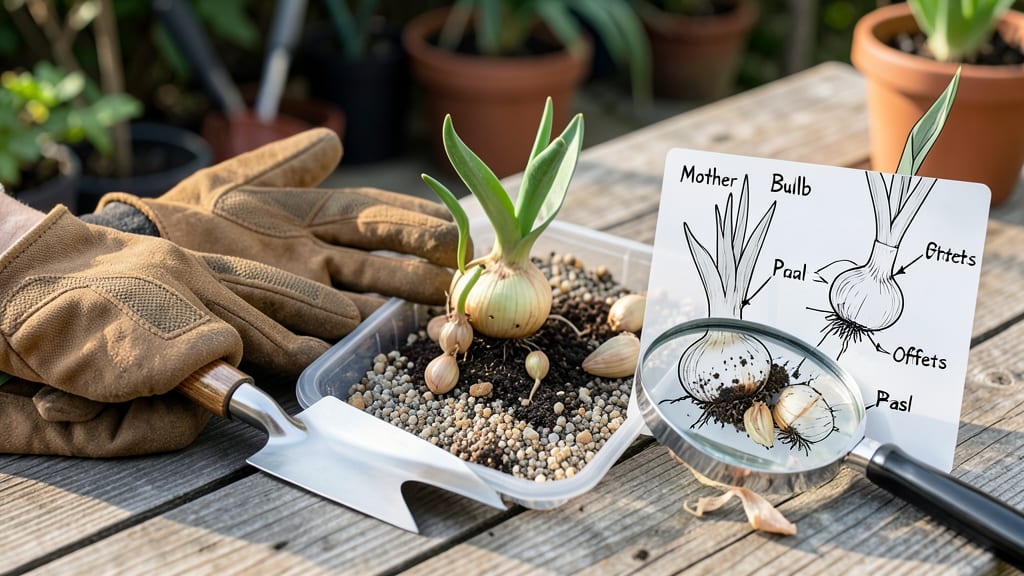
Your tulip blooms fade, but the bulb’s work isn’t done—splitting tulip bulbs after flowering unlocks bigger, bolder flowers next spring. 🌷 I’ve divided hundreds of bulbs, and the secret lies in timing, gentle handling, and knowing when a bulb begs for space.
Overcrowded clumps mean fewer stems and smaller blooms, but a few minutes of careful work now guarantees a showstopper display in 2025.
The best time to split is 6-8 weeks after blooms fade, when foliage yellows but hasn’t died back completely. You’ll need a sharp knife, gloves, and a bucket of soaking water—no fancy tools, just patience. Dig up bulbs, separate the layers, and discard any soft or shriveled ones.
Healthy bulbs have firm, papery skins and a single growing point; discard any without one. This isn’t rocket science, but it is precision work—one wrong cut ruins a bulb.
Replant the largest bulbs (at least 2 inches deep) in loose, well-draining soil, spacing them 4-6 inches apart. Smaller offsets can wait a year or go into pots. Water lightly after planting, then let nature take over.
By next spring, you’ll see 20-30% more blooms per bulb—proof that a little effort now pays off in dramatic color. The key? Don’t rush the process; bulbs need time to establish roots before winter arrives.
Here’s the part most gardeners miss: frequency matters. Split every 3-4 years to prevent decline, but skip it if bulbs are still thriving. And yes, you can split in fall—just do it early (September) and protect newly planted bulbs from freezing.
Overcrowding isn’t just an aesthetic issue; it starves your tulips of energy, turning your garden’s star into a supporting actor. Let’s fix that.
The Hidden Triggers Behind Bulb Splitting
Tulip bulbs splitting isn’t just a random quirk of nature—it’s a response to specific environmental and biological cues. Understanding these triggers helps gardeners anticipate, prevent, or even encourage the process for healthier plants. Here’s why your tulip bulbs might be dividing like puzzle pieces:
Tulip bulbs are geophytes, meaning they store energy underground to fuel above-ground growth. When bulbs grow too close together, their roots compete for nutrients, water, and oxygen. This competition triggers a survival mechanism: the bulb splits to produce smaller, independent bulbs (called offsets or bulbils).
- Science behind it: The bulb’s apical meristem (growth center) detects root-bound stress and diverts energy into producing new shoots and bulbs instead of expanding the original.
- Actionable sign: If you see bulbs growing in tight clusters with stunted foliage, they’re likely splitting due to overcrowding.
- Fix it: Dig up bulbs every 3–4 years to separate offsets. Aim for 3–4 inches between bulbs when replanting.
Tulip bulbs have a finite lifespan. After 3–5 years, older bulbs naturally decline in vigor, producing fewer blooms and more offsets. This is their way of rejuvenating—splitting into smaller bulbs that can regrow with fresh energy.
- Science behind it: As bulbs age, their reserve carbohydrates (stored as starch) deplete. The plant shifts focus to producing daughter bulbs (offsets) rather than maintaining one large bulb.
- Actionable sign: Bulbs that split easily when handled or produce tiny blooms on long stems are likely past their peak.
- Fix it: Replace aging bulbs every 3–4 years. Use offsets from splits to propagate new plants—just know they may take 1–2 years to bloom.
Tulips thrive in well-draining, slightly acidic soil (pH 6.0–7.0). If the soil lacks key nutrients or is too rich in nitrogen, bulbs may split as a stress response. Here’s how:
| Nutrient Issue | Why It Causes Splitting | Fix It |
|---|---|---|
| Excess Nitrogen (from fresh manure or high-N fertilizers) | Promotes leafy growth over bulb development, weakening the central bulb’s structure. | Use a balanced fertilizer (e.g., 5-10-10) or compost instead. Avoid fertilizing after June. |
| Phosphorus/Potassium Deficiency (common in sandy or depleted soils) | Bulbs can’t store enough energy for next year’s growth, leading to premature splitting. | Amend soil with bone meal (phosphorus) or wood ash (potassium) before planting. |
| Poor Drainage (waterlogged soil) | Roots suffocate, causing rot and forced offsets as the bulb “escapes” the stress. | Plant in raised beds or sandy loam. Add perlite or grit to heavy clay. |
Not all tulips split equally! Some hybrids—especially species tulips (Tulipa tarda, Tulipa clusiana) and Darwin Hybrid tulips—are prone to bulb division due to their natural propagation methods. Even cultivated varieties like ‘Parrot’ or ‘Fringed’ tulips may split more aggressively.
- Science behind it: These varieties evolved to self-propagate via offsets, ensuring survival in wild conditions. Their bulbs lack strong apical dominance, meaning they produce multiple growth points instead of one central bulb.
- Actionable sign: If your tulips consistently split every year without obvious stress, genetics may be the culprit.
- Fix it: Embrace the process! Use offsets to expand your garden for free. Just replant them shallower (4–6 inches deep) to encourage faster establishment.
💡 Pro Tip: If you’re not seeing splits but want bigger blooms, avoid disturbing bulbs for 2–3 years. The less you dig, the more energy they’ll put into one central bulb!
Fixing overcrowded tulip bulbs
When your tulip bulbs start splitting, it’s a sign they’ve outgrown their space—and with the right approach, you can turn this into an opportunity for more vibrant blooms next season.
Whether your bulbs are clustered too tightly, struggling to thrive, or simply looking exhausted, these solutions will help you revive your garden while ensuring healthier, more abundant tulips year after year.
If your tulip bulbs have grown into a dense, tangled mass, they’re competing for nutrients and space. Here’s how to gently untangle them without damage:
- 🌱 Dig Carefully After Blooming Wait until 6–8 weeks after flowering (when foliage yellows but hasn’t fully died back). Use a garden fork to lift bulbs, shaking off excess soil to expose the cluster.
- 🧵 Gently Pull Apart the Bulbs Separate the bulbs by hand or with a small knife, ensuring each has its own root base. Discard any shriveled or mushy bulbs—they won’t regrow.
- 📏 Sort by Size for Optimal Growth
Group bulbs into three categories:
- Large bulbs (2+ inches): Plant these first—they’ll bloom most vigorously next year.
- Medium bulbs (1–2 inches): These are your mid-tier bloomers; plant them slightly deeper.
- Small bulbs (<1 inch) or offsets: These are future stars! Plant them shallowly (4–6 inches deep) in a separate bed or pot for nurturing.
- 🌿 Replant with Proper Spacing Space bulbs 6–8 inches apart in well-draining soil. Mix in compost or bone meal (for phosphorus) to encourage root growth.
💡 Pro Tip: Label your newly planted bulbs with stakes or a garden map—tulips can take 2–3 years to reach peak bloom after division!
If your tulips bloom weakly or fail to return year after year, they may be nutrient-depleted or in poor soil conditions. Revitalize them with these steps:
- 🔄 Rotate Planting Locations Tulips deplete soil nutrients quickly. Move divided bulbs to a fresh spot every 3–4 years to prevent disease and exhaustion.
- 💧 Improve Soil Drainage
Tulips hate soggy roots. Amend heavy clay soil with:
- Sand or perlite (for grit)
- Peat moss or coconut coir (for aeration)
- A handful of garden lime if your soil is acidic (test with a pH kit).
- 🌿 Feed for Stronger Blooms Apply a balanced fertilizer (10-10-10) at planting, then top-dress with compost in early spring. Avoid high-nitrogen fertilizers—they encourage foliage over flowers!
- ☀️ Ensure Full Sun Exposure Tulips need 6+ hours of sunlight daily. If shaded by trees or structures, consider relocating them to a sunnier bed.
✨ Prevention Tip: Mulch around tulips with straw or shredded leaves in winter to protect bulbs from freezing and thawing cycles, which can weaken them over time.
Small offsets (baby bulbs) form at the base of mature tulips but often fail to mature. Boost their growth with these tricks:
- 🏺 Plant Shallowly for Offsets Bury offsets only 2–3 inches deep—deeper planting can suffocate them. Use a mix of sandy soil and compost for faster rooting.
- 💧 Keep Soil Moist (But Not Soggy) Water offsets regularly during their first growing season (spring/early summer). Once established, they’ll need less water.
- 🌿 Avoid Over-Fertilizing Too much nitrogen can make offsets grow foliage instead of bulbs. Use a low-nitrogen, high-phosphorus fertilizer (like 5-10-10) to encourage bulb development.
- 🕰️ Be Patient—It Takes Time Offsets may take 2–3 years to bloom. Mark their location with flags or a sketch to track progress!
🎯 Golden Rule: Never cut back tulip foliage until it fully yellows. The leaves feed the bulb for next year’s blooms!
By addressing overcrowding, refreshing soil, and nurturing offsets, you’ll transform your splitting tulip bulbs into a thriving, multi-year display. With a little care, those once-tangled clumps will reward you with bigger, brighter blooms for seasons to come!
Frequently asked questions
When is the absolute best time to split tulip bulbs?
Wait until 6-8 weeks after blooming when the foliage turns yellow but hasn't completely died back. This timing lets bulbs finish storing nutrients for next year while making them easier to handle. Never split in fall unless you're replanting immediately in well-draining soil.
How do I tell if a tulip bulb needs splitting?
Look for these signs: bulbs growing in tight clusters, stunted foliage, or fewer blooms than expected. Healthy bulbs should have 3-4 inches between them when mature. If you see multiple small bulbs forming around a central bulb, that's your cue to divide them.
Can I replant tulip offsets right after splitting?
Small offsets (1 inch or less) should wait until next spring for planting. Larger offsets (1-2 inches) can be planted immediately but need extra care—keep soil consistently moist and plant them shallower (2-3 inches deep) than mature bulbs. Mark their location so you don't disturb them.
What should I do with the tiny bulbils that form on tulip stems?
These stem bulbils are less reliable than offsets but worth trying! Gently twist them off when dry, then plant them 1/2 inch deep in sandy soil. They may take 3+ years to bloom, but they're free plants. For faster results, focus on the larger offsets from bulb division.
Will splitting tulip bulbs reduce next year's flowers?
Not if done correctly! Properly divided bulbs actually produce 20-30% more blooms next season by eliminating competition. The key is replanting the largest bulbs (2+ inches) immediately and giving them proper spacing (6-8 inches apart). Smaller offsets will bloom eventually but may need one more season to mature.