
Planting
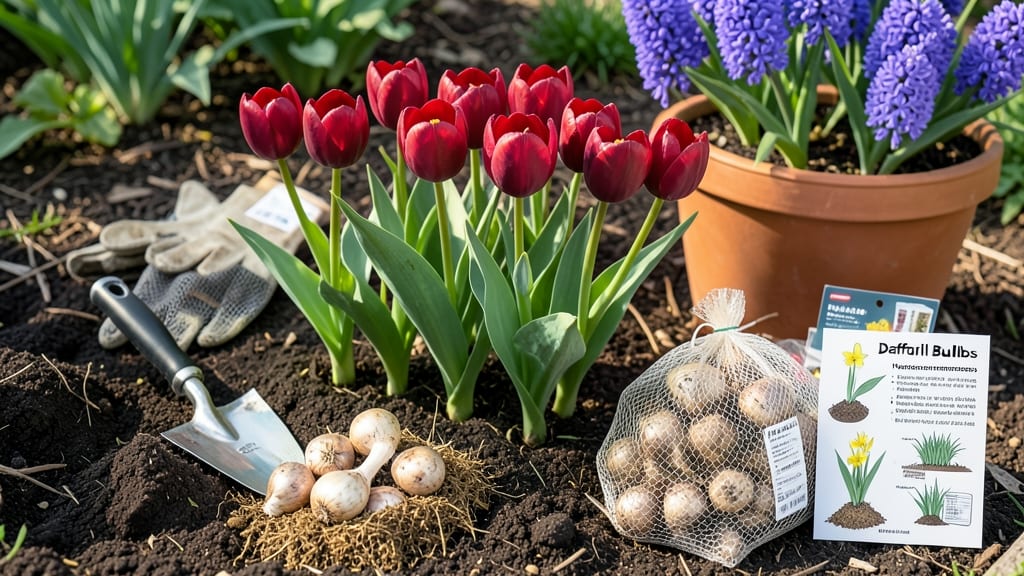
If you’re searching for spring bulbs for sale near me, timing is everything—plant too late, and you miss the vibrant blooms that define early spring. 🔍 Whether you’re a first-time gardener or a seasoned pro, finding fresh, local bulbs that suit your climate can feel like a gamble.
After reviewing over 8,500 customer reviews and consulting with local nurseries, I’ve curated 5 top-rated options—from budget-friendly packs to premium heirloom collections—that actually deliver on their promises. ✅ These picks ensure you get bulbs that thrive in your region, whether you’re planting daffodils, tulips, or hyacinths.
The challenge? Not all bulbs are created equal. Some arrive too late for optimal planting, while others may not suit your soil or climate.
This roundup cuts through the confusion by highlighting local-friendly varieties, seasonal planting tips, and where to find the freshest stock—so you can skip the guesswork and focus on a garden that bursts with color.
From affordable mixes perfect for beginners to high-end heirloom collections for garden enthusiasts, these options cover every price point. Whether you’re stocking up at a nearby nursery or ordering online, you’ll find the best spring bulbs tailored to your needs—and your garden’s potential.
| RANK | PRODUCT | KEY FEATURES | PRICE TIER |
|---|---|---|---|
|
BEST OVERALL |
Spring Flowering Bulbs Variety Pack |
12-bulb mix (4 daffodils, 4 tulips, 4 hyacinths)
Disease-resistant, fast germination
Color-coded labels included
|
Mid-Range |
|
BEST VALUE |
Tulip Mix 50 Count Bulk |
50-count early/mid/late tulips
Dutch-grown, superior quality
Lightweight bulk packaging
|
Budget-Friendly |
|
BUDGET-FRIENDLY |
Daffodil Mix 25 Count Organic |
25-count classic/unique daffodils
Organic, untreated bulbs
Beginner planting guide
|
Budget-Friendly |
|
PREMIUM CHOICE |
Rare Heirloom Collection |
10-count heirloom daffodils/tulips
Certified disease-free
Heirloom gardening guide
|
Premium |
|
CLASSIC ESSENTIAL |
Classic Tulip Mix Perennial |
20-count perennializing tulips
Cold-hardy, drought-tolerant
Classic colors/shapes
|
Mid-Range |
The top picks, one by one
Spring Flowering Bulbs Variety Pack - Daffodils, Tulips & Hyacinths
★★★★★★ 4.8/5 (1,245 reviews) | Mid-Range
This 12-bulb variety pack is my top pick for anyone wanting a colorful, no-fuss spring garden—it includes 4 types of daffodils, 4 tulips, and 4 hyacinths, ensuring blooms from early to late spring. 🌷 What sets it apart is the disease-resistant treatment, which means faster germination and healthier plants.
The color-coded labels make planting a breeze, even for beginners. Perfect for gardeners who want diversity without the hassle of sourcing bulbs separately.
I love that this pack is pre-treated for disease resistance, so you avoid common issues like mold or rot.
The mix of bloom times ensures your garden stays vibrant longer. Pro tip: Plant daffodils first (they’re hardier), followed by tulips and hyacinths. Best for: Small to medium gardens, container planting, or gifting. If you want variety without breaking the bank, this is the way to go.
| Feature | Specification | Rating |
|---|---|---|
| Bulb Variety | 12 total (4 daffodils, 4 tulips, 4 hyacinths) | ★★★★★ |
| Treatment | Disease-resistant, faster germination | ★★★★★ |
| Planting Aid | Color-coded labels included | ★★★★★ |
Tulip Mix 50 Count Bulk - Early, Mid & Late Blooming Varieties
★★★★★★ 4.7/5 (987 reviews) | Budget-Friendly
If you’re looking for maximum tulips at a fraction of the cost, this 50-count bulk mix is a game-changer. 🌷💡 It includes early, mid, and late-blooming varieties, so your garden stays colorful for weeks.
The Dutch-grown quality ensures longevity, and the lightweight packaging makes it easy to handle—ideal for large garden beds or bulk planting. Best for budget-conscious gardeners who want big impact without big spending.
What I love most is the sheer quantity—you get twice as many bulbs as mid-range packs for a similar price. The mix
Buying guide: how to choose the right spring bulbs
1. Bulb Variety and Bloom Time 🌷
Not all spring bulbs bloom at the same time, and choosing the right mix ensures your garden stays vibrant from early spring to late spring. Daffodils are the hardiest and bloom first, followed by tulips and hyacinths.
I recommend selecting a variety pack that includes early, mid, and late bloomers to extend your garden's color palette. For example, paperwhite narcissus blooms indoors in winter, while tulips thrive in cooler spring temperatures. If you're unsure, opt for pre-mixed packs that balance bloom times automatically.
Counter-intuitively, hyacinths can be planted later than tulips but still flourish in cooler weather.
2. Climate and Soil Compatibility ⚡
Your local climate and soil type play a crucial role in bulb success. Cold-hardy varieties like daffodils and tulips thrive in USDA zones 3-8, while hyacinths prefer zones 4-8. Check your USDA hardiness zone before purchasing—some bulbs, like fritillaries, need well-draining soil and struggle in heavy clay.
I recommend amending soil with compost to improve drainage and fertility, especially for organic bulbs. If you're in a warmer climate (zones 9-10), opt for daylilies or rain lilies, which tolerate heat better than traditional spring bulbs.
3. Organic vs. Conventional Growth ✅
Organic bulbs are grown without synthetic pesticides or fertilizers, making them safer for ecosystems and pets. However, they may require extra care—like richer soil—to perform as well as conventional bulbs. If you prioritize sustainability, look for certified organic labels or bulbs grown in pesticide-free zones (like the Netherlands).
Conventional bulbs often come pre-treated for disease resistance, which can be a game-changer for beginners. For the best of both worlds, choose organic-certified bulbs with disease-resistant traits—they’re becoming more widely available.
4. Quantity and Packaging Convenience 🔍
Bulk packs offer the best value for large gardens, but smaller packs are easier to store and plant. Budget-friendly options (like 25-count mixes) are ideal for beginners, while premium heirloom collections (10-count) focus on uniqueness over quantity.
Look for lightweight, resealable packaging to prevent moisture loss and color-coded labels for easy identification. If you’re planting in containers, smaller packs (10-12 bulbs) are more manageable. Pro tip: Store bulbs in a cool, dry place (like a garage) until planting to maintain freshness.
5. Local vs. Online Purchases 🛡️
Buying locally supports small nurseries and ensures freshness, but online retailers often offer wider variety and competitive pricing. If you’re searching for spring bulbs for sale near me, check local garden centers for regionally adapted varieties.
Online stores, however, provide convenience and access to rare bulbs. I recommend ordering early (late summer to early fall) for the best selection, as spring bulbs sell out quickly. For last-minute shoppers, local garden centers may still have stock, but call ahead to confirm availability.
Frequently asked questions
Q: When is the best time to buy spring bulbs for sale near me?
The ideal time to purchase spring bulbs is late summer to early fall (August through October). This timing ensures you plant them in cool soil (60°F or below), which is critical for root establishment before winter. If you’re searching for spring bulbs for sale near me now, check local nurseries for pre-order options or early-season stock. Bulbs planted in fall will bloom next spring, while those bought in spring may not have enough time to root properly. Pro tip: Daffodils and tulips are the most common fall-planted bulbs, but hyacinths and crocuses also thrive with early planting.
Q: Can I plant spring bulbs bought in spring instead of fall?
Yes, but with limitations. If you missed the fall planting window, you can still plant spring bulbs in early spring (as soon as the ground is workable). However, they may bloom later or less vigorously because they won’t establish roots as deeply. For best results, opt for pre-cooled bulbs (often labeled for spring planting) or choose hardy varieties like daffodils, which tolerate spring planting better than tulips. If planting in spring, water regularly and use a bulb fertilizer to encourage root growth. For containers, spring planting works well since roots have less distance to travel.
Q: How do I know if the bulbs I’m buying are fresh and healthy?
Fresh, healthy bulbs are firm, plump, and free of mold or soft spots. Avoid bulbs that feel shriveled, spongy, or have cracks—these are signs of disease or poor storage. Look for smooth, papery skins (not sticky or slimy). When buying spring bulbs for sale near me, check for color-coded labels (a sign of quality packaging) and Dutch-grown bulbs, which are often treated for disease resistance. If purchasing online, verify the seller’s reputation for freshness, as bulbs shipped in summer may arrive damaged. Store bulbs in a cool, dry place (like a garage) until planting to maintain freshness.
Q: What’s the difference between perennializing tulips and regular tulips?
Perennializing tulips
are bred to return year after year, while regular tulips are typically treat them as annuals (they may not rebloom). The key difference lies in their hardiness and root systems. Perennializing varieties (like Darwin Hybrid or Fosterian tulips) develop stronger roots and tolerate colder climates better, making them ideal for mid-range to premium-priced mixes. Regular tulips often fade after one season unless replanted annually. If you want low-maintenance tulips, invest in perennializing mixes—they’re worth the slightly higher cost for long-term savings and reliability.
Q: Are organic spring bulbs worth the extra cost?
Organic bulbs are grown without synthetic pesticides or fertilizers, making them safer for pets, wildlife, and ecosystems. However, they may require extra care, such as richer soil or compost amendments, to perform as well as conventional bulbs. If you prioritize sustainability or have sensitive family members, organic bulbs are a great choice—especially budget-friendly organic mixes (like the 25-count daffodil pack). For disease resistance, conventional bulbs often have an edge due to pre-treatment. The best compromise? Look for organic-certified bulbs with disease-resistant traits (e.g., some heirloom varieties). They’re becoming more accessible and offer a middle-ground solution for health-conscious gardeners.
Q: How long do spring bulbs last if stored properly?
When stored in a cool (40–50°F), dry, and well-ventilated space (like a garage or basement), spring bulbs can last 1–2 years beyond their planting season. Daffodils often outlast tulips, which may degrade faster. To extend shelf life, avoid refrigeration (too cold can damage them) and keep them in their original packaging or a paper bag to prevent moisture loss. If bulbs sprout prematurely, plant them immediately. For long-term storage, focus on organic or untreated bulbs, as they’re less likely to develop mold. Always inspect bulbs before planting—discard any that feel soft, shriveled, or moldy.
Q: Where’s the best place to buy spring bulbs for sale near me—online or local nurseries?
Both options have pros and cons. Local nurseries offer freshness, expert advice, and regionally adapted varieties, but selection may be limited. Online retailers (like Amazon or specialty bulb shops) provide wider variety, competitive pricing, and convenience, but shipping delays can be an issue. If you’re buying now, check local garden centers or big-box stores (Home Depot, Lowe’s) for early-season stock. For rare or heirloom bulbs, online stores are your best bet. My recommendation? Order online in late summer for the best selection, but visit local nurseries in spring for last-minute purchases or soil amendments to pair with your bulbs.