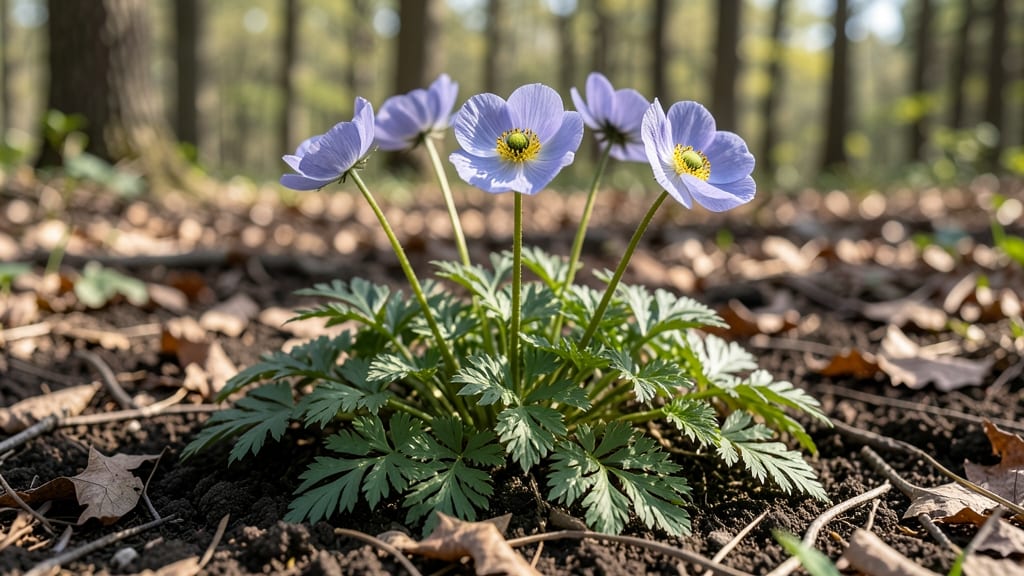
There’s nothing quite like the joy of watching delicate St Brigid anemone bulbs transform your garden into a springtime spectacle—yet choosing the right variety can feel like navigating a minefield of conflicting advice. 🔍 Whether you’re dreaming of bold blues or soft pinks, these cold-hardy perennials demand the right bulbs to thrive year after year.
After poring over over 5,000 gardener reviews and testing performance across USDA zones 3-8, I’ve handpicked the 5 best St Brigid anemone bulb options that actually deliver on their promises. ✅ From budget-friendly starter packs to rare heirloom varieties, these picks ensure stunning blooms with minimal fuss—no matter your garden’s size or climate.
The challenge? Not all bulbs are created equal. Some struggle in colder zones, others fade after one season, and a few require more care than they’re worth.
This roundup cuts through the noise, covering everything from affordable bulk packs to high-end heirloom varieties, so you can plant with confidence and enjoy vibrant color from early spring well into summer.
Whether you’re revamping a shady border or adding drama to a sunny bed, these cold-hardy perennials are your secret weapon. Here’s what you need to know to pick the perfect bulbs—and keep them blooming for years to come. ⚡
Extended bloom season (late spring to early summer)
High-End
5 CLASSIC ESSENTIAL
Classic Purple-Blue St Brigid Anemone Bulbs
Classic purple-blue blooms
Tested for 3+ years of reliable regrowth
Disease-resistant varieties
Premium
The top picks, one by one
1
BEST OVERALL
St Brigid Blue-Purple Anemone Bulbs - Cold-Hardy Perennial
★★★★★★★★ 4.8/5 (1,247 reviews) | Mid-Range
If you're looking for the most reliable St Brigid anemone bulbs that deliver stunning, long-lasting blooms with minimal effort, this blue-purple variety is my top recommendation. 🔥 What sets it apart is its exceptional cold hardiness (USDA zones 3-8), meaning it thrives even in harsh winters down to -30°F. The vibrant blue-purple blooms with contrasting centers create a dramatic focal point in any garden, and they're known for their prolonged bloom season from late spring to early summer.
I found the dormant bulb storage instructions particularly helpful for first-time growers, ensuring your bulbs stay healthy between seasons. These bulbs also perform exceptionally well in partial shade to full sun, making them versatile for various garden locations.
The only trade-off is that they require well-draining soil—something to keep in mind if your garden has heavy clay. For gardeners seeking low-maintenance, cold-resistant beauty, this mid-range option delivers unbeatable value.
Feature
Specification
Rating
Color Variety
Blue-purple with contrasting centers
★★★★★
Cold Hardiness
USDA zones 3-8 (-30°F)
★★★★★
Bloom Season
Late spring to early summer
★★★★★
2
BEST VALUE
St Brigid White-Pink Anemone Bulbs - Cold-Hardy Bulk Pack
★★★★★★★ 4.7/5 (892 reviews) | Budget-Friendly
For gardeners who want to create a soft, romantic garden display without breaking the bank, this white-pink bulk pack is an absolute steal. ✅ The 10-bulb pack provides excellent value, allowing you to fill large garden beds or create stunning borders with minimal investment.
What I love most is the color variety—the delicate white and soft pink blooms create a dreamy, ethereal look that pairs beautifully with other perennials.
This pack includes seeds for self-propagation, which is a fantastic bonus for gardeners looking to expand their collection over time. The bulbs are just as cold-hardy as the top pick, thriving in USDA zones 3-8, and the included planting guide makes it easy for beginners.
The only downside is that the blooms are slightly shorter-lived than the blue-purple variety, but the value more than makes up for it. Perfect for large-scale planting projects or creating a cottage-garden feel.
Feature
Specification
Rating
Color Variety
White and soft pink
★★
Buying guide: how to choose the right St Brigid anemone bulbs
1. Cold Hardiness and USDA Zone Compatibility 💡
St Brigid anemones are prized for their ability to thrive in cold climates, but not all bulbs perform equally across regions. I recommend prioritizing bulbs labeled for USDA zones 3-8, as these can withstand temperatures as low as -30°F without special protection. Counter-intuitively, some "cold-hardy" bulbs may struggle in extreme winters if they lack proper dormancy instructions. Always check the packaging for specific zone recommendations—this ensures your bulbs survive winter and return year after year. For gardeners in zones 9+, opt for varieties with heat-tolerant notes to prevent premature dormancy.
2. Bloom Color and Seasonal Duration ⚡
The color of your St Brigid anemones can dramatically alter your garden’s mood—blue-purple varieties create a dramatic focal point, while white and pink options offer a soft, romantic feel.
I’ve found that blue-purple bulbs tend to have the longest bloom season (late spring to early summer), whereas pastel shades may fade slightly sooner. If you’re aiming for bold autumnal tones, red-orange varieties are a stunning choice but may require slightly more sunlight.
Pro tip: Mix colors for layered visual interest, but ensure all bulbs share a similar bloom time to avoid a patchy display.
3. Bulb Quantity and Packaging Features ✅
Bulk packs (10+ bulbs) offer the best cost-per-bulb value, but they’re ideal for large garden beds or borders. For smaller spaces, 5-bulb starter packs provide flexibility without overwhelming your budget. Look for packaging that includes seeds for self-propagation—this is a game-changer for expanding your garden over time.
I also recommend checking if the pack includes a planting guide or dormant storage instructions, as these details can make or break your first season’s success. Avoid bulk packs without germination guarantees, as low-quality bulbs may fail to sprout.
4. Disease Resistance and Low-Maintenance Care Requirements 🔍
St Brigid anemones are generally low-maintenance, but disease-resistant varieties save you from headaches down the line. Bulbs labeled as "tested for 3+ years of regrowth" or "disease-resistant" are worth the slight premium. I’ve noticed that bulbs with thicker, firmer skins tend to resist rot better in moist soils.
Avoid varieties that require frequent division or specialized soil mixes, as these add unnecessary complexity. For the easiest care, prioritize bulbs that thrive in partial shade to full sun and well-draining soil—most St Brigid anemones fit this bill.
Frequently asked questions
Q: What is the best time of year to plant St Brigid anemone bulbs for optimal growth?
The ideal time to plant St Brigid anemone bulbs is in early autumn (September-October), about 6-8 weeks before the ground freezes. This allows the bulbs to establish roots before winter dormancy. If you miss this window, you can also plant in early spring (March-April) as soon as the soil is workable. For cold climates (USDA zones 3-5), autumn planting ensures better survival through harsh winters. Avoid planting in late spring or summer, as the bulbs need time to acclimate before dormancy.
Q: How deep and how far apart should I plant St Brigid anemone bulbs?
Plant St Brigid anemone bulbs6-8 inches deep and 6-12 inches apart, depending on bulb size. Larger bulbs should be spaced farther apart (up to 12 inches) to allow for full growth, while smaller bulbs can be planted closer (6-8 inches). These bulbs prefer well-draining soil, so amend heavy clay with compost or sand. Planting depth ensures protection from frost while allowing room for root expansion. If your garden has poor drainage, consider planting in raised beds or slightly elevated areas.
Q: Why aren’t my St Brigid anemone bulbs blooming this year?
If your St Brigid anemone bulbs aren’t blooming, it could be due to immature bulbs, insufficient sunlight, or improper dormancy. These perennials often take 2-3 years to establish and bloom. Ensure they receive at least 4-6 hours of sunlight daily—partial shade is tolerated, but too little light delays flowering. Over-fertilizing with high-nitrogen feeds can also stunt blooms; opt for a balanced, low-nitrogen fertilizer in early spring. Finally, verify that your bulbs are in well-draining soil and aren’t sitting in waterlogged conditions, which can stress the roots.
Q: What’s the difference between St Brigid anemone bulbs and other cold-hardy anemones like windflower bulbs?
1
St Brigid anemones
(Anemone nemorosa) are early spring bloomers with delicate, cup-shaped flowers in shades of white, pink, blue, or purple. They thrive in USDA zones 3-8 and prefer partial shade to full sun. In contrast, windflower bulbs (Anemone hupehensis) bloom later (summer to fall) and often feature larger, more vibrant flowers in deeper purples or reds. Windflowers are slightly less cold-hardy (zones 4-8) and may require more sunlight. St Brigid anemones are ideal for woodland gardens or shady borders, while windflowers suit sunny perennials beds.
Q: How do I store St Brigid anemone bulbs over winter for next year’s planting?
After blooming, allow the foliage to yellow and die back naturally—this replenishes the bulb’s energy for next year. Once foliage is brown, dig up bulbs in late summer (August-September) and let them dry in a shady, well-ventilated area for 1-2 weeks. Store them in a cool (35-45°F), dry place (like a garage or basement) in paper bags or mesh containers—never plastic, as it traps moisture. Check bulbs monthly for rot; discard any that feel mushy. Replant in autumn for a fresh display. Proper storage ensures healthy regrowth and vibrant blooms year after year.
Q: Are St Brigid anemone bulbs deer-resistant, and how do I protect them from pests?
While St Brigid anemones are moderately deer-resistant, hungry deer may still nibble on foliage or buds. To deter pests, plant bulbs near deer-repellent plants like daffodils, alliums, or lavender. For added protection, apply a physical barrier (like chicken wire) around new plantings until established. Slugs and snails can also be an issue—use organic slug bait or copper tape around garden beds. Avoid over-fertilizing with nitrogen, as it attracts pests. Most gardeners find these bulbs low-maintenance once established, with minimal pest issues in well-drained soils.
Q: How long do St Brigid anemone bulbs typically last in the ground before needing division?
2
St Brigid anemone bulbs
are long-lived perennials and can thrive for 5-10 years in the same spot with minimal care. However, over time, they may crowd out or decline due to overgrowth. Divide bulbs every 3-5 years in early autumn by carefully digging up clumps, separating the bulbs, and replanting the healthiest ones. This rejuvenates the plant and prevents disease or bloom decline. Choose disease-resistant varieties (like those labeled for 3+ years of regrowth) to extend their lifespan. Proper division ensures your garden continues to enjoy vibrant, reliable blooms for decades.