
Flowers
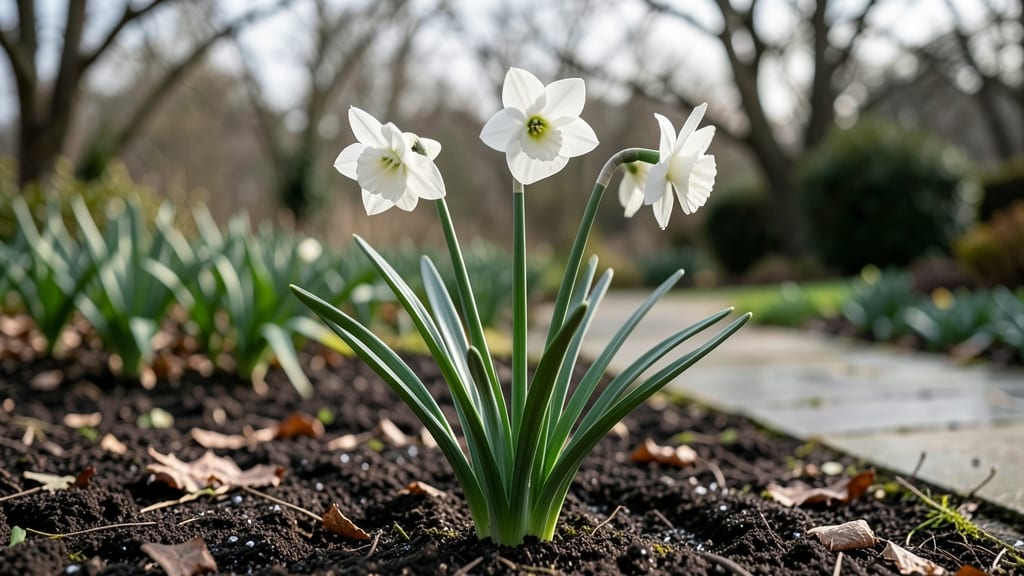
White narcissus bulbs bring that shockingly bright spring cheer even in chilly climates. 🌱 I planted mine last fall, and now they’re the first flowers to push through the soil—sometimes even before snow melts. The secret? Their frost-hardy nature and the right timing.
You’ll need well-draining soil, a sunny spot (6+ hours of light), and a shovel or bulb planter—no fancy tools. Plant them in October or November, about 6 inches deep and 6 inches apart, with the pointy end up. Mulch lightly after planting to protect them through winter.
By late winter, you’ll see those iconic trumpet-shaped blooms popping up, often 2-3 weeks before other spring flowers. They multiply over time, creating naturalizing drifts that look like a painter’s palette spilled across the garden. Pair them with grape hyacinths or crocuses for a layered early-season display.
Just avoid planting near tulips—narcissus bulbs carry a virus that can harm them. With minimal care, these bulbs reward you with years of effortless beauty.
📚 In This Guide
- What you need
- Instructions
- Tips and common mistakes
- Wrapping up and next steps
What you need
- ● White narcissus bulbs: 10–20 bulbs (depending on desired coverage; spacing ~4–6 inches apart). Choose certified disease-free bulbs for best results.
- ● Well-draining soil: Loamy or sandy soil enriched with compost (aim for a pH of 6.0–7.0). Amend heavy clay with perlite or coarse sand.
- ● Organic fertilizer: A balanced, slow-release bulb fertilizer (e.g., 10-10-10 or a bulb-specific blend) or bone meal (1 tbsp per bulb).
- ● Mulch: 2–3 inches of straw, shredded bark, or pine needles to insulate roots in winter.
- ● Garden trowel or bulb planter: For digging holes 6–8 inches deep (or 2x the bulb’s height).
- ● Garden gloves: To protect hands while handling soil and bulbs.
- ● Watering can or hose with a gentle spray nozzle: For post-planting hydration (avoid soaking!).
- ● Measuring tape or ruler: To ensure proper bulb spacing and depth.
- ● Bulb fertilizer spikes: Convenient for slow-release nutrition.
- ● Soil moisture meter: To monitor drainage and prevent rot.
- ● Frost cloth or row covers: For added winter protection in Zone 5 or colder.
- ● Garden markers: To label planting spots (white narcissus varieties like ‘Ice Follies’ or ‘Papillon’ look stunning in clusters!).
How to plant and maintain frost-resistant white narcissus bulbs
These hardy perennials bring early spring color without fuss—here's the straightforward method for planting and care.
🌱 Step 1: Select and Prepare the Planting Site
White narcissus thrive in well-draining soil with full sun to partial shade. Choose a spot where they'll receive at least 6 hours of sunlight daily, though they tolerate light afternoon shade in hotter climates. Avoid low-lying areas where water pools after rain—these bulbs despise soggy roots.
Loosen the soil to a depth of 12 inches using a garden fork or tiller. Work in a 2-3 inch layer of compost to improve drainage and fertility. If your soil is heavy clay, mix in sand or perlite to prevent rot. The ideal soil pH for white narcissus is slightly acidic to neutral, between 6.0 and 7.0.
🪴 Step 2: Plant Bulbs at the Right Depth and Spacing
Plant white narcissus bulbs in fall, 6-8 weeks before the first frost, when soil temperatures drop below 60°F. Dig holes 3 times as deep as the bulb's height—typically 6-8 inches deep for standard bulbs. Space them 4-6 inches apart in rows 8-12 inches apart to allow for air circulation and future growth.
Place each bulb with its pointy end facing up—this ensures proper root development. If you're unsure which end is up, plant the bulb on its side; it will still grow, though upright planting yields straighter stems. Cover the bulb with soil and gently firm it around the base to eliminate air pockets.
☀️ Step 3: Water and Mulch for Winter Protection
Water the newly planted bulbs deeply right after planting to help settle the soil and encourage root growth. Follow up with 1 inch of water weekly until the ground freezes, but avoid waterlogging. Once frost arrives, reduce watering to every 2-3 weeks unless there's no snow cover.
Apply a 2-3 inch layer of mulch—such as shredded bark or straw—after the ground freezes to insulate the bulbs. This protects them from extreme cold and prevents soil heaving during freeze-thaw cycles. In USDA zones 3-5, where winters are harsh, add an extra layer of mulch or use a thick layer of leaves for added insulation.
🌿 Step 4: Care for Spring Growth and Bloom
When shoots emerge in early spring, remove the mulch to allow sunlight to reach the foliage. Resist the urge to fertilize at this stage—wait until after the flowers fade. Water moderately during the growing season, providing 1 inch of water weekly unless rainfall provides sufficient moisture.
Once the flowers bloom, reduce watering slightly to encourage bulb storage for next year. After the foliage yellows and dies back naturally—usually 6-8 weeks after blooming—stop watering entirely. This allows the bulb to replenish its energy for the following year. Leave the dead foliage in place until it turns brown to ensure the bulb absorbs all available nutrients.
✂️ Step 5: Divide and Maintain for Long-Term Health
Every 3-5 years, divide white narcissus bulbs in late summer after flowering to prevent overcrowding. Dig up the clumps, separate the bulbs gently, and discard any that are soft or shriveled. Replant the healthy bulbs immediately at the same depth and spacing. This rejuvenates the plants and ensures vigorous blooms for years to come.
Watch for narcissus fly, a common pest that lays eggs in the bulbs. If you notice small, brown larvae in the foliage or bulbs, treat the area with neem oil or practice crop rotation. Healthy, well-spaced bulbs are less susceptible to pests and diseases, so proper care now pays off in stunning, low-maintenance blooms.
Tips & tricks for perfect white narcissus planting
Here's what nobody tells you about getting those pristine white blooms to thrive—without the guesswork.
Soil Prep Secret: Before adding compost, test your soil's drainage by digging a hole, filling it with water, and timing how long it takes to drain. If it takes longer than 30 minutes, mix in an extra 1-2 inches of sand or perlite to that 12-inch depth we discussed. White narcissus roots need oxygen as much as water, and soggy soil is their worst enemy.
Planting Precision: When digging holes 3 times the bulb's height, use a bulb planter or even a trowel to create clean, vertical sides. This prevents soil from caving in and ensures the 6-8 inch depth stays consistent. Pro tip: Plant slightly deeper in sandy soil (up to 8 inches) where roots might otherwise dry out faster.
Winter Protection Hack: In USDA zones 3-5, where temperatures drop below 60°F regularly, create a mini greenhouse effect by placing a layer of clear plastic sheeting over the mulch after the ground freezes. This traps just enough heat to prevent soil heaving while still allowing air circulation. Remove it in early spring when shoots appear.
Post-Bloom Strategy: That 6-8 week window after flowering when you stop watering is critical—don't rush it! The foliage needs to fully yellow and brown before cutting it back. If you cut too soon, the bulb won't store enough energy for next year's blooms. Think of it as their winter vacation prep.
Pro Tips for White Narcissus Bulbs
- Here's what nobody tells you about getting those pristine white blooms to thrive—without the guesswork.
- Soil Prep Secret: Before adding compost, test your soil's drainage by digging a hole, filling it with water, and timing how long it takes to drain.
- Planting Precision: When digging holes 3 times the bulb's height, use a bulb planter or even a trowel to create clean, vertical sides.
Frequently asked questions
Got questions about growing white narcissus bulbs? You’re not alone! Here are answers to the most common queries to help you nurture these frost-resistant beauties with confidence.
When is the best time to plant white narcissus bulbs?
Plant them in fall (6-8 weeks before the first frost), ideally between September and November. This gives roots time to establish before winter. In warmer climates, early autumn planting works best. For spring blooms, aim for October-November in colder zones.
Are white narcissus bulbs truly frost-resistant?
Yes! These bulbs thrive in USDA Zones 3-9 and handle light frosts beautifully. While they can survive -20°F (-29°C), mulching with straw or leaves adds extra protection in extreme cold. Their hardiness makes them perfect for low-maintenance gardens.
How do I encourage more blooms next year?
After flowering, leave the foliage until it yellows (about 6-8 weeks). This recharges the bulb for next season. Fertilize lightly in early spring with a balanced bulb food (10-10-10), and plant in well-draining soil to prevent rot. Deadheading spent blooms also redirects energy to bulb growth.
What should I do if my white narcissus bulbs aren’t blooming?
Common culprits include too much shade, overcrowded bulbs, or poor drainage. Ensure they get full sun to partial shade (6+ hours of light) and dig up/divide bulbs every 3-5 years. If soil is soggy, amend with compost or plant on a slight mound.
Can I grow white narcissus bulbs in containers?
Use a container with drainage holes and a mix of potting soil and perlite. Plant 3-5 bulbs per 6-inch pot (closer together than in gardens). Place containers in sunny spots and water moderately—avoid soggy soil. They’ll thrive indoors or on patios!
Pro Tip:
For longer-lasting blooms, plant white narcissus near spring ephemerals like crocuses or hellebores. Their staggered blooming times create a sequential garden show from early spring to late winter!
Wrapping up and next steps
White narcissus bulbs are the perfect choice for gardeners seeking low-maintenance, frost-resistant beauty that blooms year after year. Their elegant, snow-white flowers add timeless charm while thriving in diverse climates—ideal for both beginners and seasoned gardeners alike! 🌸❄️
Ready to transform your garden? Start by ordering your bulbs today and plant them in well-draining soil for a stunning, carefree display. Happy gardening!