
Advice
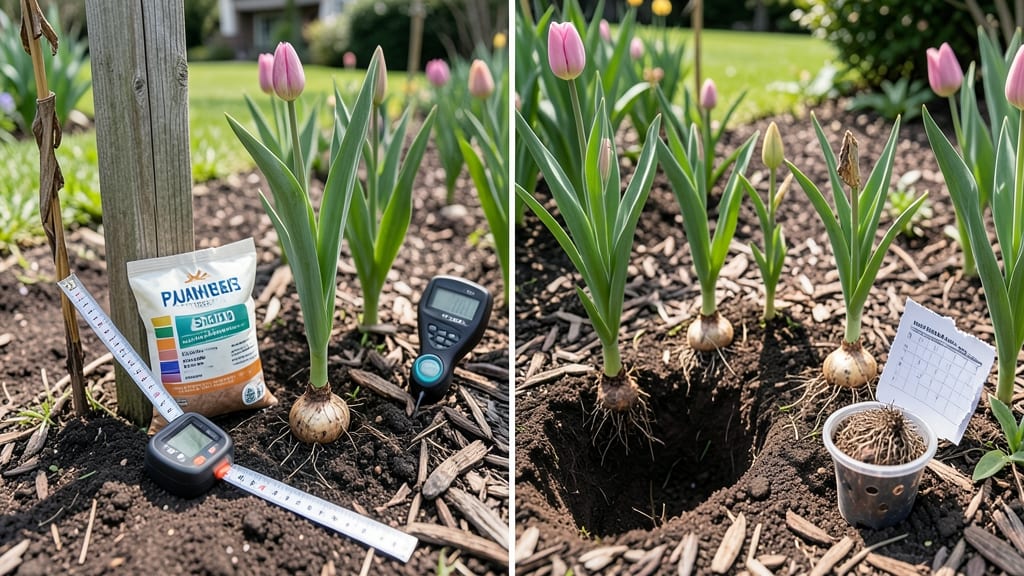
Tulip bulbs not flowering? The problem might be hiding in your fridge—or your soil. 🌱 I’ve had seasons where my tulips sent up green leaves but stubbornly refused to bloom, and it always came down to two things: not enough cold storage or the wrong growing conditions.
The good news? Fixing it is simpler than you think.
Most tulips need 12-16 weeks of cold (40-50°F) to trigger blooms, and if they skip this step—whether planted too late or stored at room temperature—they’ll just grow foliage. Even with proper chilling, poor soil drainage, overcrowding, or too much nitrogen can keep flowers from appearing.
The fix starts with a quick bulb check and a few soil tweaks.
Start by digging up a few bulbs in early spring to check for firmness and roots. If they’re soft or rotting, they won’t bloom. Amend heavy or compacted soil with compost and ensure 6-8 hours of sunlight daily.
Overcrowded beds? Thin them out—tulips need space to breathe. With the right care, you’ll see those classic cups and saucers by next spring.
This works for hybrid tulips, species tulips, and even those tricky Darwin varieties that sometimes play hard to get. Let’s get those blooms back!
Root Causes of Stubborn Tulips
Tulip bulbs that refuse to bloom can be frustrating, but understanding the science behind their growth helps pinpoint the issue. Most often, it’s a mix of environmental factors, improper care, or biological needs that aren’t being met.
Let’s break down the most common reasons your tulips might be playing hard to bloom—and how to fix them.
Tulips are perennial geophytes, meaning they require a period of cold dormancy to trigger flowering. This is called vernalization, a biological process where exposure to cold temperatures (typically 35–45°F for 12–16 weeks) signals the bulb to shift from vegetative growth to flower production.
If your tulips aren’t getting enough chill hours—whether planted in a warm climate, mulched too heavily, or forced indoors without proper cooling—they’ll focus energy on leaf growth instead of blooms. Result? Lush foliage but no flowers.
Pro Tip: 🌡️ If you live in a mild-winter zone, pre-chill bulbs in your fridge (unplanted) for 10–12 weeks before planting. Store them in a paper bag in the crisp drawer (not the freezer!) to mimic natural winter conditions.
Tulip bulbs need the right balance of depth, drainage, and nutrient availability to thrive. Planting them too shallow or in compacted, waterlogged soil can stunt their growth—or worse, rot the bulb before it even flowers.
Key problems:
- Too shallow: Bulbs planted less than 6–8 inches deep may sprout but lack the energy to produce flowers, diverting resources to shallow root systems.
- Poor drainage: Waterlogged soil cuts off oxygen, leading to bulb rot (Botrytis tulipae or Fusarium fungi). Healthy bulbs need well-draining soil to store energy for next year’s blooms.
- Nutrient imbalances: Over-fertilizing with nitrogen (common in lawn fertilizers) promotes leafy growth at the expense of flowers. Tulips need a balanced 5-10-10 or 10-10-10 fertilizer (low in nitrogen) for optimal blooming.
Fix it: 🔨 Loosen soil before planting, amend with compost or sand for drainage, and plant bulbs pointy end up, 6–8 inches deep. Avoid fresh manure or high-nitrogen fertilizers in early spring.
Tulip bulbs have a limited lifespan—typically 3–5 years of reliable flowering before they decline. Over time, they produce fewer blooms as energy is diverted to offsetting bulblets (smaller "child" bulbs) instead of flowers.
Additionally, overcrowding (planting bulbs too close together) competes for nutrients and sunlight, weakening individual bulbs. If your garden has been planted with tulips for years without division, the bulbs may be exhausted or root-bound.
Solution: ✨ Dig up and separate bulbs every 3–4 years, discarding soft or shriveled ones. Replant the healthiest bulbs in fresh soil, spacing them 4–6 inches apart.
Hidden threats like tulip fire (Botrytis tulipae), aphids, or squirrels digging up bulbs can drain a tulip’s energy reserves, leaving it too weak to flower. Even deer or rabbits nibbling on emerging shoots can stunt growth.
Watch for:
- Blackened, mushy bulbs (fungal rot).
- Stunted, yellowed leaves (viral or bacterial infections).
- Missing bulbs or chewed foliage (animal activity).
Prevent it: 🛡️ Use fungicide treatments (like copper-based sprays) in fall, physical barriers (chicken wire) for animals, and neem oil for pests. Remove and destroy infected plant debris to prevent spread.
If you’re forcing tulips indoors (e.g., for holiday blooms), timing is critical. Bulbs need 12–16 weeks of cold before being moved to warm conditions.
If you take them out of storage too early or don’t provide consistent warmth (65–70°F) afterward, they’ll either bolt (shoot up without blooming) or wilt prematurely.
Similarly, harvesting bulbs too soon (before foliage yellows naturally) starves them of stored energy, reducing next year’s blooms. Tulips need 6–8 weeks of leaf growth after flowering to replenish nutrients.
Fix: 📅 Follow a strict chill-forcing schedule (e.g., plant in late fall, refrigerate until December, then force indoors). For garden tulips, wait until leaves turn brown before cutting them back.
Revive Your Tulips: Step-by-Step Fixes
If your tulip bulbs are stubbornly refusing to bloom, don’t toss them just yet! The right adjustments can coax those vibrant flowers back to life. Below, we’ve mapped out practical fixes for the most common causes—plus tips to keep your tulips thriving for years.
Problem: Your bulbs didn’t get enough cold exposure (3–4 months below 40°F).
How to Fix It:
- 🔥 Store bulbs in the fridge (or a cool, dark garage) for 10–12 weeks before replanting in fall.
- 🌡️ Use a bulb chiller (available at garden centers) for precise temperature control.
- ⏰ Plant in late fall (after soil temps drop below 60°F) to maximize chill time.
Prevention Tip: ❄️ Mark your calendar—tulips need cold before they bloom. If your winters are mild, simulate chill with a DIY setup (e.g., a cardboard box + ice packs).
Problem: Compacted, nutrient-poor, or soggy soil stunts growth.
How to Fix It:
- 👨🍳 Loosen the soil 6–8 inches deep before planting. Mix in compost (1 part compost to 3 parts soil).
- 💧 Drainage check: Plant bulbs on a slight slope or in raised beds if your yard holds water.
- 🌿 Feed lightly: Use a balanced bulb fertilizer (like 10-10-10) at planting time, then top-dress with bone meal in early spring.
Prevention Tip: 🔍 Test your soil’s pH (ideal: 6.0–7.0). If it’s too acidic, add lime; if alkaline, use sulfur.
Problem: Bulbs planted too deep/shallow or crowded won’t flower well.
How to Fix It:
- 📏 Dig holes 6–8 inches deep (twice the bulb’s height) and 6 inches apart.
- 🌱 Space clusters 12 inches apart for better air circulation (reduces rot).
- ✂️ Trim foliage after it yellows (not before!) to redirect energy to the bulb.
Prevention Tip: 📅 Plant in clusters for a dramatic display—and mark spots with stakes so you don’t dig up last year’s bulbs!
Problem: Tulips need full sun (6+ hours/day) but may struggle in hot climates.
How to Fix It:
- 🌞 Move to sunnier ground if possible (even morning sun helps).
- 🌿 Pair with shade-loving perennials (like hostas) to protect roots in peak summer.
- 💦 Mulch lightly (1–2 inches of straw) to retain moisture without suffocating bulbs.
Prevention Tip: 🌡️ Avoid southern exposures in hot zones—opt for east-facing beds for gentler sunlight.
Problem: Squirrels, slugs, or fungal issues can weaken bulbs.
How to Fix It:
- 🐿️ Deter squirrels with chicken wire cages or garlic spray (mix 1 chopped garlic + 1 quart water).
- 🐌 Slug barriers: Surround plants with diatomaceous earth or copper tape.
- 🍄 Fungal issues? Treat with neem oil spray (1 tbsp per gallon of water) if leaves show mold.
Prevention Tip: 🧼 Inspect bulbs before planting—discard any with soft spots or mold.
Want tulips earlier? Try this:
- 📅 Plant bulbs in pots in October (use well-draining soil).
- ❄️ Chill for 12–16 weeks in a dark, cold place (like a fridge).
- ☀️ Move to a sunny windowsill when sprouts appear (~4–6 weeks later).
- 💧 Water lightly—blooms will follow!
Final Pro Tip: ✨ Rotate bulbs—dig up and divide clumps every 3–4 years to prevent overcrowding and revive vigor.
With these fixes, your tulips should burst into color next spring. Happy gardening! 🌷💐
Frequently asked questions
Why do my tulip bulbs keep sending up leaves but never bloom?
This is usually a chill hour shortage—tulips need 12-16 weeks below 40°F to trigger blooms. If your winters are mild, store bulbs in the fridge (35-45°F) for 10-12 weeks before planting. Without enough cold, they'll just grow foliage to store energy for next year.
Can I still get flowers if I planted bulbs too shallow?
Possibly, but shallow planting (less than 6 inches deep) weakens bulbs by forcing shallow roots. Dig up the bulbs now, trim any damaged roots, and replant them 6-8 inches deep. Next spring, they should have enough energy to bloom if other conditions are right.
Will overcrowded tulips ever bloom again?
Yes, but you'll need to divide the clumps first. Dig up bulbs every 3-4 years, separate the smaller offsets, and replant the healthiest ones 4-6 inches apart. Overcrowding competes for nutrients, so spacing them out gives each bulb room to rebuild energy for blooming.
How do I know if my tulip bulbs are diseased before planting?
Inspect bulbs for soft spots, mold, or blackened areas—these are signs of rot or fungal infections. Healthy bulbs should feel firm and papery. Discard any damaged ones immediately, as diseases spread easily. Store healthy bulbs in a cool, dry place until planting time.
Can I force tulips to bloom indoors if they didn't get enough cold?
Plant bulbs in pots in October, then refrigerate them for 12-16 weeks (like a natural winter). After chilling, move them to a sunny windowsill (65-70°F) and water lightly. With proper timing, you'll see blooms in 4-6 weeks—perfect for holiday displays!