
Planting
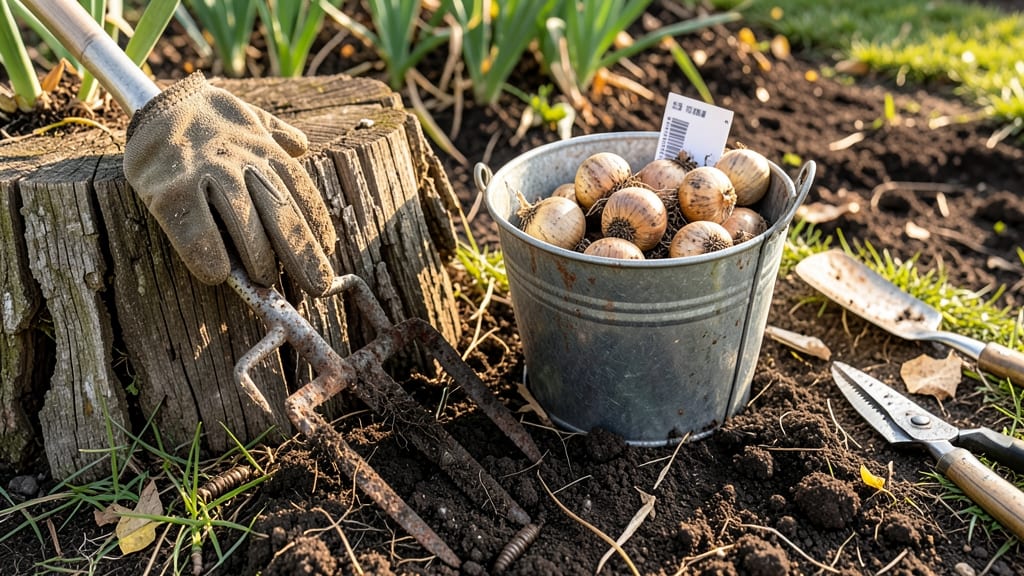
You can dig up daffodil bulbs to transplant about 4-6 weeks after their foliage dies back—when the leaves turn brown and crispy but no new growth appears.
Timing is everything when transplanting daffodils—dig too early or too late, and you risk stunted blooms or bulb rot. Mastering the perfect moment ensures healthier, more vibrant spring displays every year.
In USDA Zone 6a, like most of the Midwest, this usually falls in late summer or early fall, but regional weather plays a big role. Too much rain or early frost can throw off your schedule, so knowing the signs is key.
Below, I’ll walk you through how to spot the right moment, what to do once you’ve lifted the bulbs, and how to store them if you’re not ready to replant right away.


The ideal time to dig up daffodil bulbs for transplanting
Timing is everything when transplanting daffodils—dig too early, and you starve the bulb of nutrients it needs to bloom next spring. Wait too long, and you risk bulb rot or damage from freezing temperatures.
The perfect window is 4-6 weeks after foliage dies back, when bulbs have fully recharged for next year. This timing ensures your daffodils store enough energy to produce stunning spring blooms without compromising their health.
Daffodil bulbs need this post-bloom recovery period to photosynthesize through their leaves—even after flowering ends. The leaves act like solar panels, converting sunlight into stored energy for the next growing season.
If you remove them too soon, your bulbs may produce smaller or fewer flowers next year. Think of it like giving your daffodils a nutrient top-up before winter dormancy begins.
Here’s the golden rule: Wait until 60% of foliage is brown and the remaining 40% is still green. This balance signals the bulb has completed its energy storage cycle.
Early bloomers (like 'Tête-à-Tête' or 'Ice Follies') may need digging 6-8 weeks after blooming, while late varieties (such as 'Papillon') can wait until 8-10 weeks post-flowering.
| Stage | Action | Timeframe |
|---|---|---|
| Post-Bloom | Leave foliage intact; water moderately | 4-6 weeks after blooming |
| Foliage Dieback | Wait until 60% brown, 40% green | 6-8 weeks post-bloom |
| Digging Window | Lift bulbs; trim foliage to 2" | 4-6 weeks after foliage dies back |
| Storage Prep | Cure bulbs in shade for 2 weeks | Before replanting or storing |
| Replanting | Plant in well-draining soil; 6" deep | Fall (6 weeks before frost) |
Climate plays a crucial role in this timing. In cooler regions (USDA zones 3-5), where winters are harsh, aim to dig bulbs 6-8 weeks before the first frost. This gives you enough time to transplant before the ground freezes.
In warmer climates (zones 6-7), where winters are milder, you can extend the digging window to 8-10 weeks post-bloom, as the risk of frost damage is lower.
One common mistake is digging bulbs too early because the foliage looks "done." However, yellowing leaves don’t mean energy storage is complete. The bulb needs those green leaves to keep photosynthesizing.
If you dig too soon, you’ll see smaller blooms or no flowers at all the following spring. Patience pays off—wait for that 60/40 rule to ensure robust bulbs.
After lifting, trim the foliage to 2 inches to reduce moisture loss during storage. Store bulbs in a cool, dry place (50-60°F) with good airflow, like a mesh bag in your garage or basement.
Avoid plastic bags, which trap moisture and encourage rot. If you’re replanting immediately, choose a well-draining location with full sun and amend the soil with compost for optimal growth.
Pro tip: Mark your calendar based on your last year’s blooming date. For example, if your daffodils bloomed on April 15, plan to dig bulbs between June 15 and July 15.
This simple trick ensures you never miss the perfect window. Consistency in timing leads to healthier bulbs and bigger blooms year after year.
Remember, daffodils are hardy perennials, but they still need proper care to thrive. By mastering this 4-6 week post-foliage window, you’ll set your daffodils up for a show-stopping spring display and avoid the heartbreak of weak or non-flowering plants. Happy digging!
How to tell when daffodil foliage is ready for digging
Knowing when to dig up daffodil bulbs ensures healthy transplants and vibrant blooms next spring. The key is monitoring your foliage—specifically, the 60% brown, 40% green rule. This balance signals the bulb has stored enough energy for dormancy while avoiding premature removal that weakens future growth.
Start by observing your daffodil leaves after they finish flowering. Healthy foliage should stay green until late summer, but as temperatures drop, you’ll notice browning. Wait until 60% of leaves turn crispy brown while keeping 40% still green—this is your cue to act.
Premature removal—digging too early—can starve the bulb of nutrients needed for next year’s blooms. Conversely, waiting too long risks rotting bulbs as they decompose underground. Timing matters more than you might think!
⚠️ Warning: Common Mistakes When Digging Daffodils
Digging too early (when leaves are still green) weakens bulbs by cutting off photosynthesis. This leads to smaller or no blooms next year. Always wait until 60% of foliage is brown before lifting.
Leaving bulbs in soggy soil after digging causes rot and mold. Cure lifted bulbs in a dry, shaded spot for 1-2 weeks before replanting or storing.
Ignoring regional frost dates can trap bulbs in the ground too late. In USDA zones 3-5, aim to dig 6-8 weeks before first frost to avoid winter damage.
Once your foliage meets the 60/40 rule, use a garden fork to gently loosen soil around the bulb. Lift carefully to avoid damaging the papery tunic that protects the bulb. Shake off excess soil but leave the roots attached—they help the bulb adjust to its new home.
After lifting, trim the foliage to 2-3 inches but leave the roots intact. This reduces water loss while allowing the bulb to replenish energy stores before dormancy. Store bulbs in a cool, dry place (50-60°F) with good airflow until replanting in fall.
Transplant your daffodils in well-draining soil at the same depth they were growing before. Water lightly after planting, and avoid fertilizing until spring—this gives roots time to establish without encouraging new growth too soon.