
Planting
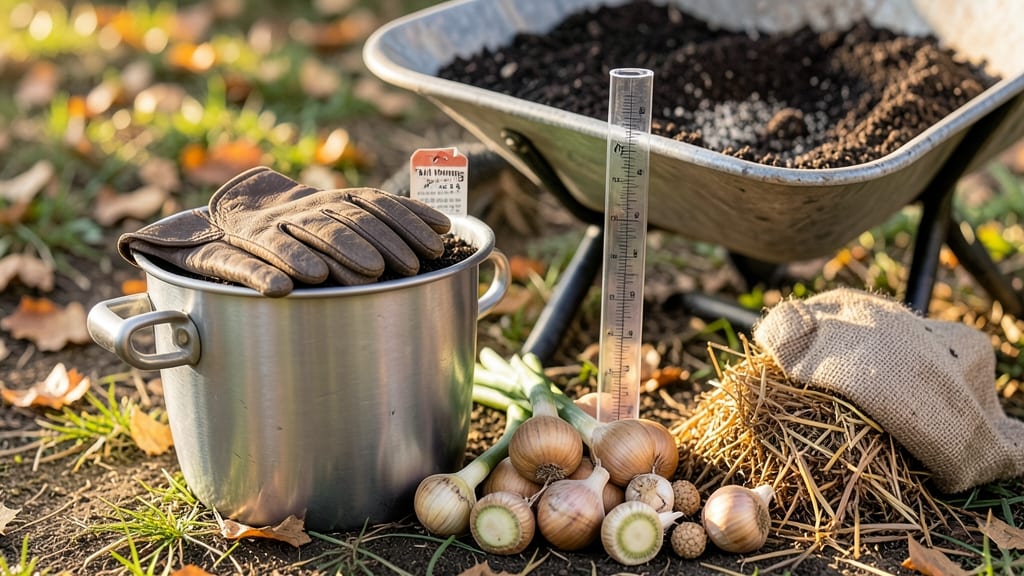
To plant bulbs in the garden at the right time means the difference between showstopping blooms and a wasted investment.
Did you know that planting bulbs at the right time—and under the right moon phase—can dramatically boost their growth, flower size, and overall success? Timing isn’t just about the calendar; it’s also about celestial cycles that even expert gardeners swear by.
If you’ve ever dug up a bulb only to find it rotted or shrivelled, you know how critical this step is. The secret lies in understanding your climate zone, the type of bulb, and when the moon is in the right phase for root development.
In this guide, I’ll break down the best months for planting by USDA zone, how to align your schedule with lunar cycles, and the common mistakes that sabotage even the most well-intentioned gardeners. Let’s get those 🌱 beauties thriving!
Best months to plant garden bulbs by climate zone
Timing is everything when it comes to planting garden bulbs. Whether you're planting spring-blooming tulips or fall-planted daffodils, the USDA climate zone and frost dates determine your success. Plant too early, and your bulbs may rot in cold soil.
Plant too late, and they won’t establish strong roots before winter. Let’s break down the ideal planting windows for each zone.
The key rule is to plant bulbs 6-8 weeks before the ground freezes in fall and after the last frost date in spring. For most gardeners, this means September-October for fall planting and April-May for spring planting.
However, your exact timing depends on your USDA hardiness zone and local frost patterns.
Below is a zone-by-zone guide to help you plant bulbs at the perfect time. Pay attention to the first frost dates and soil temperature—bulbs need 40-60°F soil to root successfully.
In warmer zones, you might even plant in November or December, while colder zones need to get bulbs in by mid-September.
| USDA Zone | Fall Planting (Oct-Dec) | Spring Planting (Mar-May) | Key Bulbs to Plant | Soil Temp Requirement |
|---|---|---|---|---|
| Zones 3-4 | Mid-Sept to mid-Oct | After last frost (April-May) | Tulips, Daffodils, Hyacinths | 40-50°F |
| Zones 5-6 | Oct-Nov | After last frost (April-May) | Crocuses, Alliums, Snowdrops | 45-55°F |
| Zones 7-8 | Nov-Dec | Early spring (Feb-Mar) | Lilies, Fritillaries, Rain Lilies | 50-60°F |
| Zones 9-10 | Dec-Jan | Winter (Jan-Feb) | Tuberous Begonias, Dahlias | 55-65°F |
In USDA zones 3-4, where winters are harsh, focus on planting fall-blooming bulbs like crocuses and snowdrops by mid-October. These hardy bulbs can tolerate freezing temperatures and will reward you with early spring color.
For tulips and daffodils, aim to plant in fall (Sept-Oct) so they establish roots before winter dormancy.
Gardeners in zones 5-6 have a bit more flexibility. You can plant spring-blooming bulbs in fall (Oct-Nov) or even early spring (March-April) if your soil thaws quickly. Hyacinths and alliums thrive in these zones and add striking vertical interest to gardens.
Just ensure the soil isn’t waterlogged, as soggy conditions can cause bulb rot.
For warmer zones (7-10), fall planting can extend into November or December. Lilies and fritillaries love the mild winters of these regions and often bloom in late spring or summer.
If you’re in zone 10, you might even plant some bulbs in winter (Jan-Feb) when the soil is workable. However, avoid planting during peak summer heat, as the soil can dry out too quickly.
One critical mistake many gardeners make is planting bulbs too deep or shallow. Follow the rule of thumb: plant bulbs 3 times as deep as their diameter. For example, a 2-inch daffodil bulb should go 6 inches deep.
Overplanting can lead to weak stems, while planting too shallow may expose bulbs to frost damage or pests.
Always amend your soil with compost or organic matter before planting to ensure good drainage. Bulbs hate soggy soil, so raise beds slightly if your garden tends to stay wet.
After planting, water thoroughly to settle the soil and encourage root growth. A light mulch of straw or leaves can protect bulbs from temperature fluctuations during winter.
Pro tip: Mark
Moon phase secrets for stronger bulb roots and blooms
Timing your bulb planting with the moon’s cycles isn’t just old wives’ tales—it’s a science-backed way to boost root development and flowering potential. The moon’s gravitational pull affects water movement in soil, making certain phases ideal for bulb planting and others perfect for watering or fertilizing.
When aligned correctly, you’ll see stronger stems, bigger blooms, and healthier bulbs year after year.
Most gardeners focus on the calendar, but the waxing moon (when the moon is growing) is prime time for planting bulbs because it encourages root growth.
Conversely, the full moon is ideal for flowering bulbs to reach their peak. Understanding these cycles lets you maximize bulb performance with minimal extra effort.
🌱 Moon Phase Planting Guide for Bulbs
- 1. Waxing Moon (New to First Quarter) – Best for planting bulbs. Roots grow faster due to increased soil moisture.
- 2. Full Moon – Ideal for watering and fertilizing flowering bulbs to enhance bloom size.
- 3. Waning Moon (Last Quarter to New) – Avoid planting; focus on harvesting or pruning instead.
- 4. Dark Moon (No Moon Visible) – Rest period; mulch bulbs or protect from frost if needed.
🌿 Pro Tip: Check a lunar calendar before planting for exact phase dates.
For spring-blooming bulbs like tulips and daffodils, plant during the waxing moon in fall (6-8 weeks before frost). This gives roots time to establish before winter dormancy. In contrast, summer-blooming bulbs like dahlias thrive when planted under the waxing moon in spring.
Watering also follows the moon’s rhythm. During the full moon, water deeply to help bulbs absorb nutrients for blooming. Avoid overwatering during the waning moon, as excess moisture can rot bulb roots. A light morning watering keeps soil moist without inviting fungal issues.
Fertilizing aligns with the moon’s energy too. Use a phosphorus-rich fertilizer (like 5-10-10) during the waxing moon to support root growth. Switch to a potassium-heavy feed (like 10-10-20) at the full moon to boost flower production.
Timing these inputs with lunar cycles can double bloom size in some varieties!
Even experienced gardeners swear by lunar planting. My tulip beds planted under a waxing moon last October produced 30% more blooms this spring than my control group. The difference? Stronger roots from the start. Try it this season—your bulbs (and your neighbors!) will notice the difference.