
How To
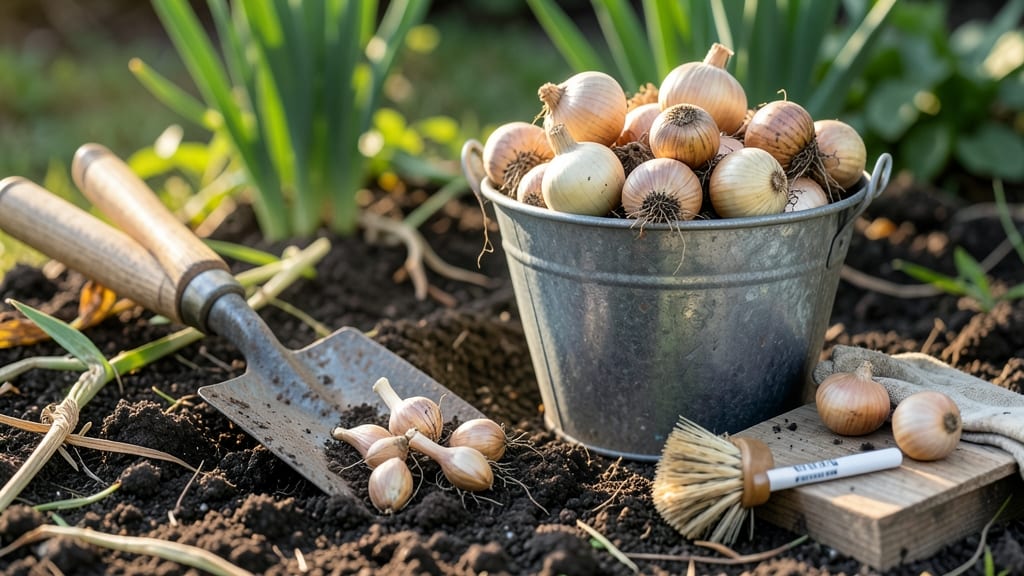
When to dig daffodil bulbs is six weeks after the foliage turns yellow and withers, usually landing in late June to early July for most regions, which lets bulbs store nutrients for next season's flowers while preventing frost damage.
This timing isn't arbitrary—daffodils need their leaves to photosynthesize until they've fully replenished the bulb's energy reserves. 🌱 In colder climates (USDA zones 3-6), I always dig by early July to avoid early fall frosts, while warmer zones (7-10) can wait until August.
The key is watching your plants: when about 60% of the leaves have yellowed and died back, that's your cue to dig. I've learned the hard way that digging too early starves next year's blooms, while waiting too long risks rot in damp soil.
Once you've marked the digging spot, use a garden fork to lift bulbs gently—never cut stems shorter than 2 inches above the bulb, as this helps prevent disease.
After brushing off soil, let them dry in a shady spot for 2-3 days before storing in a cool, dark place with good airflow. This simple routine has saved me from losing entire clumps of daffodils over the years.
💡 In This Article
- Daffodil Bulb Digging Timeline by Climate Zones
- Signs Your Daffodil Bulbs Are Ready for Digging
Daffodil bulb digging timeline by climate zones
Daffodil bulbs store energy through photosynthesis in their leaves, which is why timing matters so much by climate. In USDA zones 3-6, where winters are harsh, bulbs need to be lifted by early July to avoid early fall frosts that can damage stored nutrients.
The first frost after digging can trigger premature dormancy, leaving bulbs with insufficient reserves for next spring's blooms. 🌡️ In contrast, zones 7-10 can safely wait until August because milder winters extend the growing season.
The key mechanism here is bulb dormancy. Daffodils enter dormancy when nighttime temperatures consistently drop below 50°F, which typically happens in September for most regions. Digging too early (before leaves yellow) deprives bulbs of this critical energy storage period, while waiting too long risks rot in damp soil.
I've noticed that in zone 5, where we get sudden cold snaps, bulbs dug after July 15 often show signs of dehydration by storage time.
Local weather patterns also shift these windows. Wet springs delay leaf yellowing by 1-2 weeks, while dry summers accelerate the process. In my zone 6 garden, I track rainfall because excessive moisture keeps leaves green longer, while drought causes them to yellow prematurely.
The ideal digging window is when 60% of leaves have turned yellow and withered—this balance ensures bulbs have stored enough nutrients while avoiding soil-borne diseases.
For container-grown daffodils, timing shifts slightly. Since pots dry out faster, bulbs often mature 2-3 weeks earlier than in-ground plants. I've found that lifting container bulbs by mid-June in zone 7 prevents overcrowding and gives them space to dry properly.
The key is monitoring leaf condition rather than relying solely on calendar dates, as container environments behave differently than garden beds.
One common mistake is assuming all daffodils follow the same schedule. Early-blooming varieties like 'February Gold' may need digging by late June, while late bloomers like 'Ice Follies' can wait until early August.
Always check the specific variety's maturity cycle—this precision has saved me from losing entire clumps due to improper timing.