
Planting
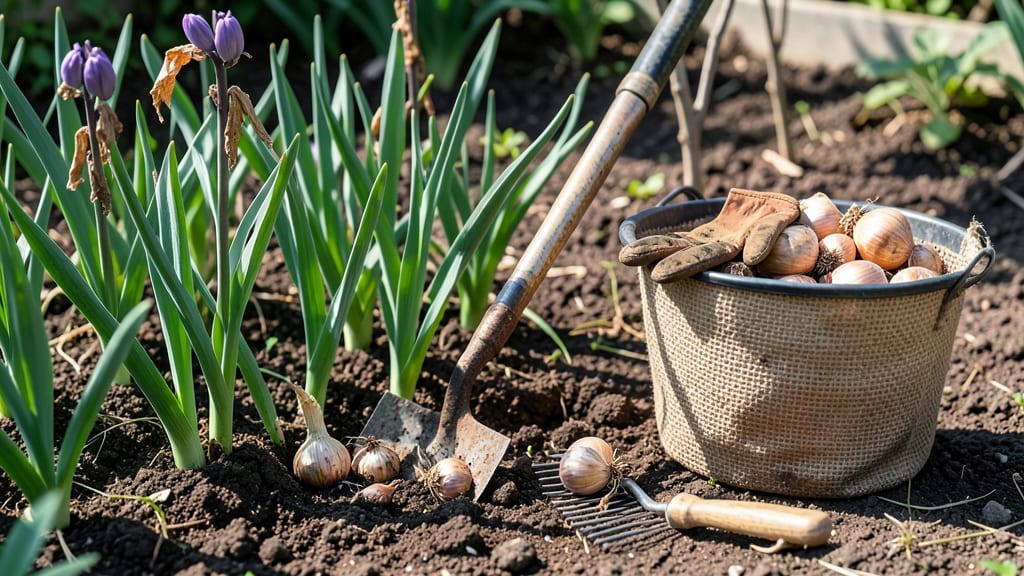
Dig up hyacinth bulbs 6-8 weeks after flowering — that’s when the foliage turns completely brown and crispy, signaling they’ve stored enough energy for next year’s blooms.
Hyacinth bulbs are perennials that reward patience, but digging them up too early can mean weaker blooms next season. Timing is everything, and knowing when to dig up these fragrant flowers ensures they return stronger every year.
If you’ve ever watched your 🌷 hyacinths fade and wondered when to act, here’s the key: wait until the leaves turn yellow, then brown, and finally dry out. This process takes about 6-8 weeks after the blooms fade, depending on your climate.
Below, I’ll walk you through the exact steps—when to dig, how to store them, and how to replant for maximum bloom potential—so you never miss the perfect window again.
The exact time to dig up hyacinth bulbs after foliage dies
Hyacinth bulbs thrive on routine, and their digging schedule directly impacts next year’s bloom strength. The ideal time to dig them up is 4-6 weeks after flowering, or when the foliage turns completely brown.
This timing allows the bulb to store enough energy for future growth, ensuring vibrant blooms in spring. Skipping this step or digging too early can weaken your hyacinths, leaving you with sparse or no flowers the following season.
Understanding the photosynthesis process is key here. Even after blooming, hyacinth foliage continues to feed the bulb through photosynthesis. If you dig too soon, the bulb won’t have enough stored nutrients to produce strong stems and flowers next year.
Patience pays off—waiting until the foliage is fully brown and crispy ensures your bulbs are ready for storage and replanting.
Regional differences matter when planning your digging timeline. In USDA Zone 6a (like much of the Midwest and Northeast), this typically falls between late July and early September.
However, gardeners in warmer climates (like Zone 8 or higher) may need to dig slightly earlier, as the heat can cause foliage to dry out faster. Always check your local frost dates to align digging with your climate.
Here’s a quick visual guide to help you determine if your hyacinth bulbs are ready for digging:
Avoid the common mistake of overwatering during this period. Once the foliage starts yellowing, reduce watering to prevent rot. Wet bulbs are more susceptible to disease and won’t store well during winter.
Let the soil dry out slightly between waterings, and avoid watering entirely once the foliage is brown and crispy. This helps the bulb enter a natural dormancy state, preparing it for storage.
Premature digging is another costly error many gardeners make. If you dig too early, the bulb won’t have absorbed enough nutrients, leading to smaller or no blooms next season. Always wait until the foliage is completely brown and dry—this usually takes about 6-8 weeks after flowering.
Use a gentle tug test: if the foliage pulls out easily without resistance, it’s time to dig.
Tools matter when digging hyacinth bulbs. Use a garden fork or trowel to lift bulbs gently from the soil. Avoid using a shovel, as it can damage the bulb’s outer layers. Start by loosening the soil around the bulb, then lift it out carefully.
Handle bulbs with care—they’re more delicate than you might think! After digging, let them dry in a shady, well-ventilated area for a day or two before storing.
Once your bulbs are ready, store them in a cool, dry place (around 50-60°F) with good airflow. Avoid plastic bags or containers, as they can trap moisture and cause rot. Instead, use a mesh bag or cardboard box with holes for ventilation.
Check bulbs periodically for signs of mold or soft spots, which indicate they’re not storing properly. Proper storage ensures your hyacinths will be ready to replant and bloom beautifully next spring.
Timing your digging correctly isn’t just about the calendar—it’s about observing your plants. Pay attention to the foliage color, bulb firmness, and local climate. With practice, you’ll develop a keen eye for when your hyacinths are ready.
Next season, you’ll be rewarded with stronger stems, more blooms, and fragrant displays that make all the effort worth it. Happy digging!
🌷
Step-by-step guide: how to properly dig, store, and replant hyacinth bulbs
Digging up hyacinth bulbs at the right time ensures they store well and bloom beautifully next year. The key is patience—wait until the foliage turns completely brown and dies back naturally.
This usually happens 6-8 weeks after blooming, typically in late summer or early fall depending on your climate zone. Premature digging weakens the bulb, while waiting too long risks rot or pest damage.
Before you start, gather your tools: a garden fork or trowel, gloves, a bucket or mesh bag for storage, and a labeling marker if you’re saving different varieties.
Work on a dry, sunny day to help the bulbs dry out quickly after digging. The goal is to handle them gently while ensuring they’re fully cured before storage.
When to Dig Up Hyacinth Bulbs
- 1
- 2
- 3
Once you’ve confirmed the bulbs are ready, use a garden fork to gently loosen the soil around the bulb, working in a circle to avoid damaging the bulb itself. Lift carefully—hyacinth bulbs are fragile and can bruise easily.
Shake off excess soil, but don’t wash them, as moisture encourages rot. Let them air-dry for 1-2 days in a shady, well-ventilated area before storing.
Store your hyacinth bulbs in a cool, dark, and dry place with good ventilation, like a paper bag or mesh container. A temperature of 40-50°F is ideal—think basement or garage, but avoid refrigerators with high humidity.
Check them monthly for soft spots or mold, which indicate spoilage. Proper storage ensures they’ll rebloom vigorously next spring.
When replanting, wait until fall (typically October-November in most regions) when the soil temperature drops below 60°F. Plant bulbs 6 inches deep and 6 inches apart in well-draining soil with full sun exposure.
Water lightly after planting, then reduce watering until spring. With the right care, your hyacinths will reward you with fragrant blooms year after year.