
Plants
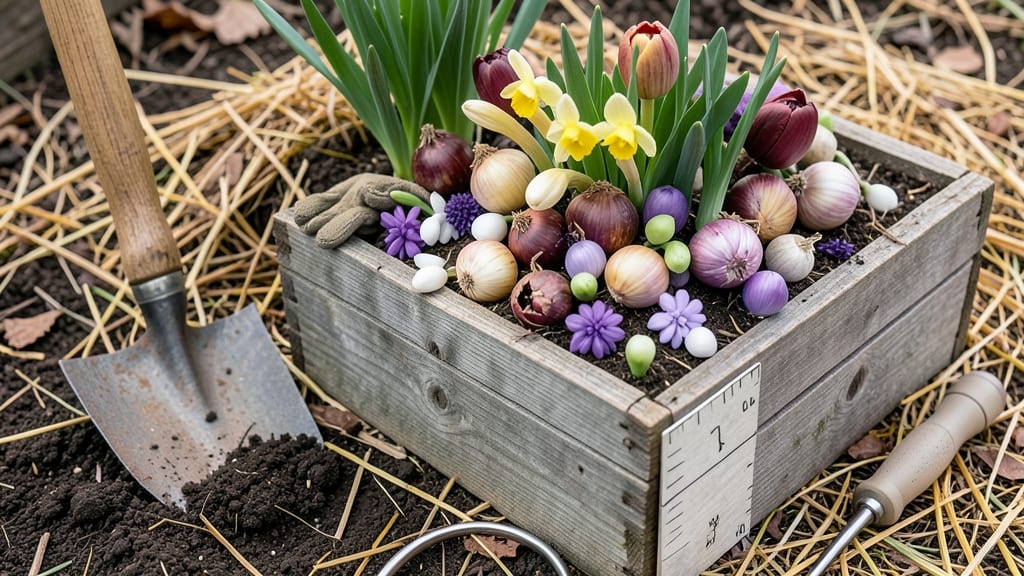
Planting bulbs in fall 6-8 weeks before frost is the secret to blooms that outshine every spring garden—so timing is everything.
Picture this: you’ve just tucked in your tulips and daffodils, only to wake up to a surprise frost. Too early, and they’ll rot; too late, and they won’t root in time. The 4-6 week window before the ground freezes is your golden ticket to perfect spring color.
In USDA Zone 6a, that means aiming for late September to early November—when soil temps dip to 50°F but the ground hasn’t locked up yet. Miss it, and you’ll either be playing catch-up with shallow roots or watching your bulbs sit idle until next year.
Here’s how to nail it: I’ll walk you through the frost-date formula, zone-by-zone planting months, and the three mistakes that turn your bulbs into a wasted investment—so you can finally get the show-stopping display you’ve been dreaming of.
How to calculate your fall bulb planting window using frost dates
Timing is everything when it comes to planting fall bulbs like tulips, daffodils, and hyacinths. The key is to plant them 6-8 weeks before your first frost—this gives roots time to establish before winter dormancy.
If you plant too early, bulbs may sprout and get damaged by cold. Too late, and they won’t root deeply enough for spring blooms. Let’s break down the exact formula to find your perfect planting window.
First, locate your USDA hardiness zone (Zones 3-10 cover most of the U.S.). Each zone has a different average first frost date, which is your starting point.
For example, Zone 3 (like Minnesota) typically sees frost by October 15, while Zone 10 (like Florida) may not freeze until December 15. Count backward 6-8 weeks from that date to determine when to plant. This window ensures bulbs have enough time to root but avoid early sprouting.
Here’s how to apply it: If your first frost is November 1, plant between September 15 and October 15. For Zone 7 (like Kentucky), where frost hits around October 31, aim for September 1 to October 15.
Adjust for early or late years—if frost comes early, plant sooner. Use your local cooperative extension service or weather app for precise frost dates.
Not all bulbs thrive in the same conditions. Daffodils and alliums are more forgiving, tolerating later planting, while tulips and hyacinths need cooler soil to prevent early sprouting. Check the specific bulb’s chill requirements—some need 10-15 weeks below 40°F to bloom well.
For example, tulips planted in Zone 5 (frost by October 20) should go in by September 1 to meet their chill needs.
Soil temperature matters just as much as frost dates. Bulbs need soil temps between 40-50°F to root properly. Use a soil thermometer to confirm—if temps drop below 40°F, wait a few days.
In warmer zones (like Zone 9), soil may stay warm longer, so plant closer to November 1. In colder zones (like Zone 3), start as early as August 15 to avoid early frost.
Here’s a quick summary table to visualize your planting window by zone and bulb type:
Once you’ve nailed down your window, prep the soil by mixing in compost or bulb fertilizer to a depth of 12 inches. Bulbs need well-draining soil—amend heavy clay with sand or perlite.
Plant bulbs 3x their height deep (e.g., a 2-inch tulip bulb goes 6 inches deep) with the pointy end up. Space smaller bulbs (like crocus) 3-4 inches apart; larger ones (like daffodils) 6-8 inches apart.
After planting, water deeply to settle the soil and encourage root growth. Avoid overwatering—bulbs rot in soggy soil. Mulch with 2-3 inches of straw or leaves to insulate roots in colder zones.
In warmer zones, mulch lightly to retain moisture. By following this frost-date formula, you’ll ensure your bulbs bloom vibrantly next spring, not wither away.
Pro tip: Mark your planting date on a calendar and set a reminder to check soil temps if frost arrives early. Adjust your window by 1-2 weeks if needed—better to plant a little early than risk late frost damage.
With this method, your garden will burst with color come spring, proving that patience (and precise timing!) pays off.
Best fall planting months by USDA Zone (with exact dates)
Timing is everything when planting fall bulbs, and your USDA hardiness zone determines the perfect window. In colder zones like Zone 3, you’ll plant 6-8 weeks before frost—typically mid-September—while warmer Zone 10 gardeners can extend planting until early December.
Regional variations matter too: Pacific Northwest gardens often plant 2-3 weeks later than Midwest gardens due to milder winters.
Use your average first frost date as your anchor. For example, if frost hits November 15, aim to plant by October 1.
Southern gardeners in Zones 8-10 face unique challenges—they need bulbs that tolerate minimal winter chill, like rain lilies or daylilies, since traditional tulips may fail to bloom without proper dormancy.
Below is a zone-by-zone breakdown of ideal planting months, including early/late trade-offs. Early planting (August) risks rot in soggy soil, while late planting (December) may leave bulbs vulnerable to freeze-thaw cycles before roots establish.
In the Pacific Northwest, milder winters shift ideal planting to late October or November, while Midwest gardens often finish by mid-October to avoid early frosts. Always check your local cooperative extension service for precise frost dates—even a 1-week delay can reduce bloom quality.
Pro tip: If your soil stays warm late into fall, wait until soil temperatures drop below 60°F at night. Use a soil thermometer to track—cool roots establish faster and resist rot. For container gardens, plant bulbs in pots by October 15 (Zones 5-7) to ensure they’re ready for winter.
Remember, spring blooms start underground—give your bulbs the right fall window, and you’ll reward yourself with colorful displays next year. Happy planting! 🌷