
Plants
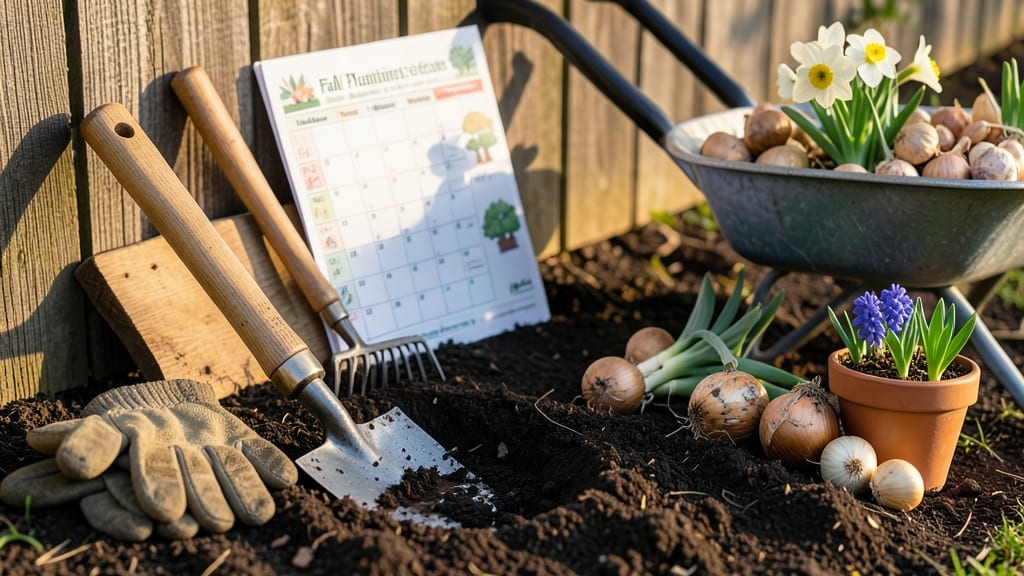
Planting spring flowering bulbs 🌷 in New England at the right time ensures vibrant blooms next spring, and the key is knowing your exact frost dates.
New England’s unpredictable frost dates can turn bulb planting into a guessing game—but timing is everything for vibrant spring blooms. Learn the exact frost-date formula gardeners swear by to plant bulbs at the perfect moment, ensuring healthy growth and stunning displays.
If you plant too early, bulbs may rot in cold soil; too late, and they won’t establish roots before winter. The ideal window is 6-8 weeks before the ground freezes, usually between September and November for fall planting.
In this guide, I’ll break down the exact frost-date formula for your zone, the best bulbs for each month, and how to adjust for microclimates—so you can finally get those perfect spring blooms every year.
New England frost-date formula: exact timing for bulb planting success
Planting spring bulbs like tulips and daffodils in New England requires precision—timing them perfectly ensures vibrant blooms next spring. The key? Planting 6-8 weeks before your first hard frost, which varies dramatically across USDA Zones 3-6.
Without this formula, you risk planting too early (bulbs rot) or too late (they fail to root before winter).
New England’s climate throws curveballs with late frosts in May and early freezes in September. My frost-date formula simplifies the process by using your local average first frost date—a number you can find in USDA zone maps or from your local Cooperative Extension Service.
For example, Zone 3 (northern Maine) might see frost by October 15, while Zone 6 (southern Connecticut) holds off until November 15.
Why this timing works: Bulbs need time to establish roots before the ground freezes. Planting too early exposes them to fungal diseases, while planting too late leaves them vulnerable to freeze damage. The 6-8 week window gives roots enough time to anchor before winter’s chill sets in. For Zone 4 (central New Hampshire), that means planting between September 15 and October 15.
🌱
| USDA Zone | Avg. First Frost | Planting Window | Bulb Depth (inches) | Top Bulbs for Zone |
|---|---|---|---|---|
| Zone 3 | October 10-15 | September 15-October 1 | 6-8 inches | Tulipa 'Ice Follies', Narcissus 'Ice Follies' |
| Zone 4 | October 20-November 1 | September 15-October 15 | 5-7 inches | Daffodils, Hyacinths, Alliums |
| Zone 5 | November 5-15 | October 1-October 30 | 4-6 inches | Tulips, Crocuses, Fritillaries |
| Zone 6 | November 15-30 | October 15-November 15 | 4-5 inches | Daffodils, Grape Hyacinths, Snowdrops |
Microclimates complicate things—even within a single county, frost dates can shift by 1-2 weeks. For example, a south-facing slope in Vermont might stay frost-free 10 days longer than a low-lying valley.
To adjust, observe your garden: plant test bulbs like crocuses (they bloom early and tolerate cold) in early October to see how your microclimate responds. If they thrive, you can push your planting window slightly later.
Soil temperature matters just as much as air temperature. Bulbs need the ground to be below 60°F but not yet frozen. Use a soil thermometer to check—if it’s consistently below 50°F, it’s time to plant.
In Zone 5 (e.g., western Massachusetts), this often means waiting until mid-October, even if the air is crisp. Pro tip: Plant hyacinths and tulips first—they’re more cold-hardy than daffodils, which prefer slightly warmer soil.
Don’t overlook late-season bloomers like alliums or fritillaries, which thrive when planted 2-3 weeks later than traditional bulbs. These varieties handle cooler soils better, making them ideal for Zone 4-5 gardeners who want to extend their planting window.
For Zone 6, you can even squeeze in a late-November planting if you use mulch (like straw or leaves) to insulate the soil.
If you’re unsure about your exact frost date, use the National Oceanic and Atmosph
Best bulbs to plant by month in New England (Zone-by-Zone guide)
New England’s diverse climate—from Zone 3 in northern Maine to Zone 6 in southern Connecticut—means your bulb planting schedule should adapt to your specific location. Whether you’re in Portland, Maine or Hartford, Connecticut, timing is critical for bulbs to establish roots before winter.
For spring bloomers like daffodils and tulips, aim to plant 6-8 weeks before the first hard frost, while fall-blooming bulbs like crocuses and snowdrops need late summer planting.
Soil preparation varies by bulb type. Tulips and hyacinths thrive in well-draining soil with a pH of 6.0-7.0, while daffodils tolerate slightly acidic soil. In Zone 3, focus on cold-hardy varieties like Siberian squill or Alpine crocuses, which survive harsh winters.
Meanwhile, Zone 6 gardeners can experiment with extended-bloom varieties like Darwin hybrid tulips or Galanthus nivalis (snowdrops) for early spring color.
- 🌱 August-September (Zones 4-6): Plant fall-blooming bulbs like crocuses and snowdrops for early spring color. Soil temp should be 60-65°F.
- 🍂 October-November (All Zones): Ideal window for spring bulbs (tulips, daffodils). Zone 3 should plant by mid-October; Zone 6 can extend to early November.
- ❄️ Late November (Zone 3 Only): Plant cold-hardy bulbs like Siberian squill or Alpine snowflakes before the ground freezes.
- 🌿 March-April (All Zones): Spring-planted bulbs (e.g., rain lilies) thrive when soil reaches 50°F. Avoid planting after last frost date.
- 💧 Soil Prep Tip: Amend clay soil with compost or sand to improve drainage. Zone 3 soils benefit from mulch after planting.
For Zone 3 gardeners, prioritize early-blooming varieties like Alpine crocuses or woodland phlox, which emerge before snow melts. These bulbs need well-draining soil to prevent rot in waterlogged conditions. In Zone 6, you can push the envelope with later-blooming tulips or alliums, which thrive in warmer microclimates.
Always plant bulbs 3x their height deep—so a 6-inch bulb goes 18 inches deep.
Don’t overlook late-summer planting for fall-blooming bulbs. Cyclamen and colchicums love the heat of late August and September. These bulbs naturalize beautifully in partial shade, making them perfect for woodland gardens.
After planting, water deeply to encourage root growth before winter sets in. A 1-inch layer of mulch helps insulate bulbs and retain moisture.
Pro tip: Use a bulb planter to create precise holes and avoid compacting soil around roots. For container gardens, choose well-draining mixes with perlite or vermiculite. In Zone 4-5, consider spring-planted bulbs like rain lilies or crinums, which thrive in summer heat and bloom before frost.
Timing isn’t just about the calendar—watch for soil temperature. Use a soil thermometer to confirm 50-60°F for spring planting or 60-65°F for fall. In Zone 6, you might extend planting into early December if the ground hasn’t frozen, but Zone 3 gardeners should wrap up by mid-November.
Adjust for microclimates, like south-facing slopes that warm faster.