
Planting
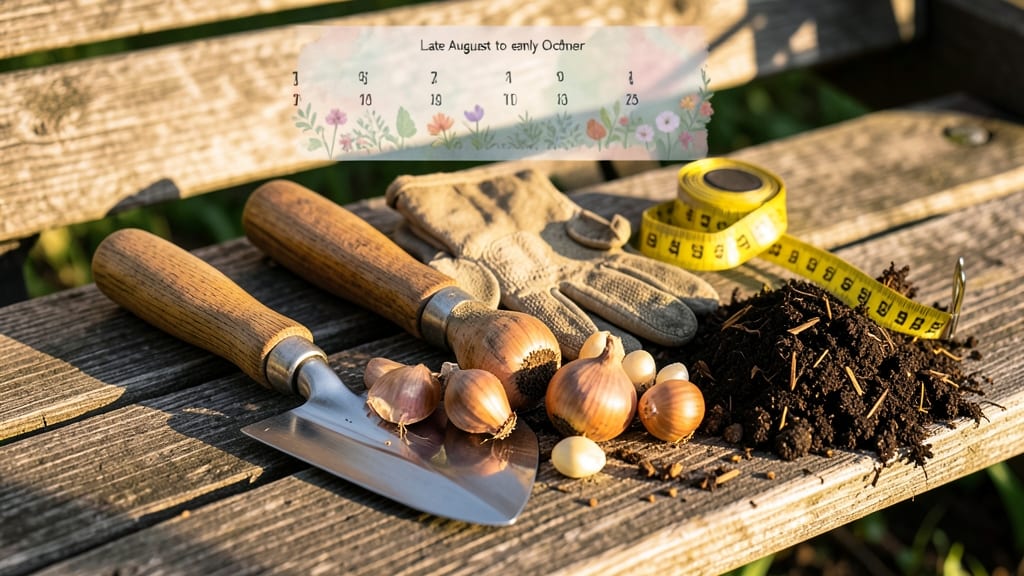
Planting spring flowering bulbs 🌷 in the fall is the secret to a showstopping spring garden, and timing is everything.
Miss that narrow window, and you might end up with blooms that arrive late—or not at all. The key? Planting 4-6 weeks before the ground freezes in your zone, which for most gardeners means late September through November.
Why does timing matter so much? Spring flowering bulbs need a period of cold to trigger blooming, and planting too early or too late can disrupt that process. In Zone 6a, that means aiming for early October for most varieties, but regional microclimates can shift your schedule by weeks.
Below, I break down the exact planting months for your zone, how chill-hour requirements affect your schedule, and 5 pro tips to extend your window if you’re a late starter.
Planting timing by USDA hardiness Zone: exact months for spring flowering bulbs
Getting your spring flowering bulbs in the ground at the right time is the secret to a vibrant spring display. Plant too early, and they might sprout before winter; too late, and they won’t get enough chill hours to bloom.
Your USDA hardiness zone dictates the perfect window—typically 4-6 weeks before your first hard frost, but with regional tweaks for microclimates.
For example, gardeners in Zone 3 (think Minnesota or northern New England) need to plant by mid-October, while those in Zone 10 (southern California or Florida) can wait until December. Even within a zone, elevation or coastal influences can shift the ideal timing by weeks.
Let’s break it down by zone and bulb type to ensure you’re planting when your climate is just right.
🌷
| USDA Zone | Ideal Planting Window | Early Fall (Safe Zone) | Late Fall (Risk Zone) | Bulb Examples |
|---|---|---|---|---|
| Zones 3-4 | Mid-Sept to Mid-Oct | Early Sept | Late Nov | Tulips, Daffodils, Hyacinths |
| Zones 5-6 | Late Sept to Early Nov | Mid-Sept | Mid-Dec | Crocuses, Alliums, Snowdrops |
| Zones 7-8 | Oct to Early Dec | Late Sept | Jan (with protection) | Fritillaries, Grape Hyacinths |
| Zones 9-10 | Nov to Dec | Early Oct | Feb (mild winters) | Daffodils, Spanish Bluebells |
In Zones 3-4, where winters are harsh, aim for mid-September to mid-October to give bulbs time to root before the ground freezes. Tulips and daffodils thrive here but need 6-8 weeks of chill.
Plant too late, and they’ll bolt in spring without blooming. Conversely, Zone 10 gardeners can wait until November or December, as mild winters mean less risk of early sprouting.
For Zones 5-6, the window stretches from late September to early November, but watch for early frosts. If your area gets a hard freeze by Halloween, plant by mid-October. Crocuses and snowdrops are tougher and can handle later planting, but hyacinths need that early start.
A soil thermometer ($10 at garden centers) helps—plant when temps hit 50-60°F.
Microclimates complicate things. If you live near large bodies of water or in urban heat islands, soil stays warmer longer. Adjust by planting 2-3 weeks later than the zone average.
Conversely, high-elevation gardens (even in Zone 7) may need to plant earlier due to cooler soils. Always check your local frost dates—the Old Farmer’s Almanac app is a lifesaver.
One common mistake? Planting late fall bulbs like Christmas roses too early. These need cold stratification and won’t bloom if planted before November. For Zones 7-10, consider cold frames or mulch blankets to extend your window into December.
Just avoid planting after the ground freezes—bulbs need active root growth before dormancy.
Pro tip: Label your bulbs by planting date. If you mix early and late plantings, you’ll get a staggered bloom time from early croc
How chill-hour requirements affect your planting schedule
Not all spring flowering bulbs thrive in every climate—chill-hour requirements determine whether your tulips or daffodils will bloom reliably. These hours measure the number of 40°F or below days a bulb needs to trigger flowering.
A snowdrop might need just 200 chill hours, while a tulip could demand 400+ hours. Planting in the wrong zone? You’ll get leaves but no flowers.
Understanding chill hours helps you match bulbs to your USDA hardiness zone. For example, Zone 5 gardeners can grow most varieties, but Zone 8+ may struggle with traditional tulips.
Some bulbs, like alliums, adapt better to warmer climates with fewer chill hours. Let’s break down how to use this data to plan your garden.
🌱 Key Insight: Even if you’re in the right zone, microclimates (like shaded spots or urban heat islands) can alter chill-hour exposure. Always check local frost dates and adjust planting times accordingly.
| Bulb Type | Chill Hours Needed | Best Zones | Planting Window |
|---|---|---|---|
| Tulips | 400-600 | 3-7 | Late Sept-Oct |
| Daffodils | 200-400 | 4-9 | Oct-Nov |
| Snowdrops | 150-250 | 5-8 | Sept-Oct |
| Alliums | 300-500 | 4-10 | Oct-Nov |
| Crocuses | 100-200 | 3-9 | Aug-Sept |
If you’re in Zone 9 or warmer, traditional tulips may not bloom, but varieties like ‘Apeldoorn’ tulips or ‘Ice Follies’ daffodils (both low-chill) are perfect. For Zone 3-4, most bulbs will thrive, but late-blooming alliums may need a chill stratification trick—like planting in fall and mulching heavily.
Pro tip: Use a chilling chart from your local extension office to track cumulative chill hours. Many gardeners in Zone 7-8 plant bulbs in December to ensure enough cold exposure. For example, ‘Darwin Hybrid’ tulips (500+ chill hours) might need a cold frame in mild winters.
Mismatched chill hours can lead to foliage without flowers. Always verify a bulb’s requirements before buying—especially for unusual varieties like fritillaries or grape hyacinths. A quick online search for “chill-hour chart for [your bulb]” saves time and heartache.